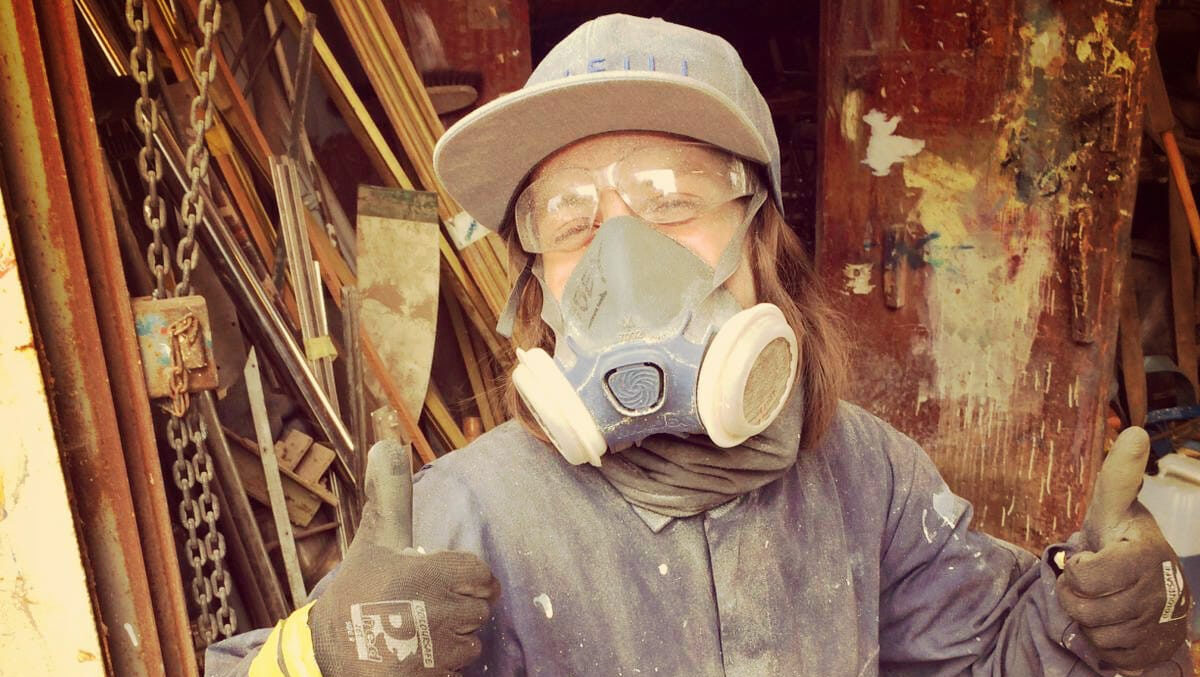
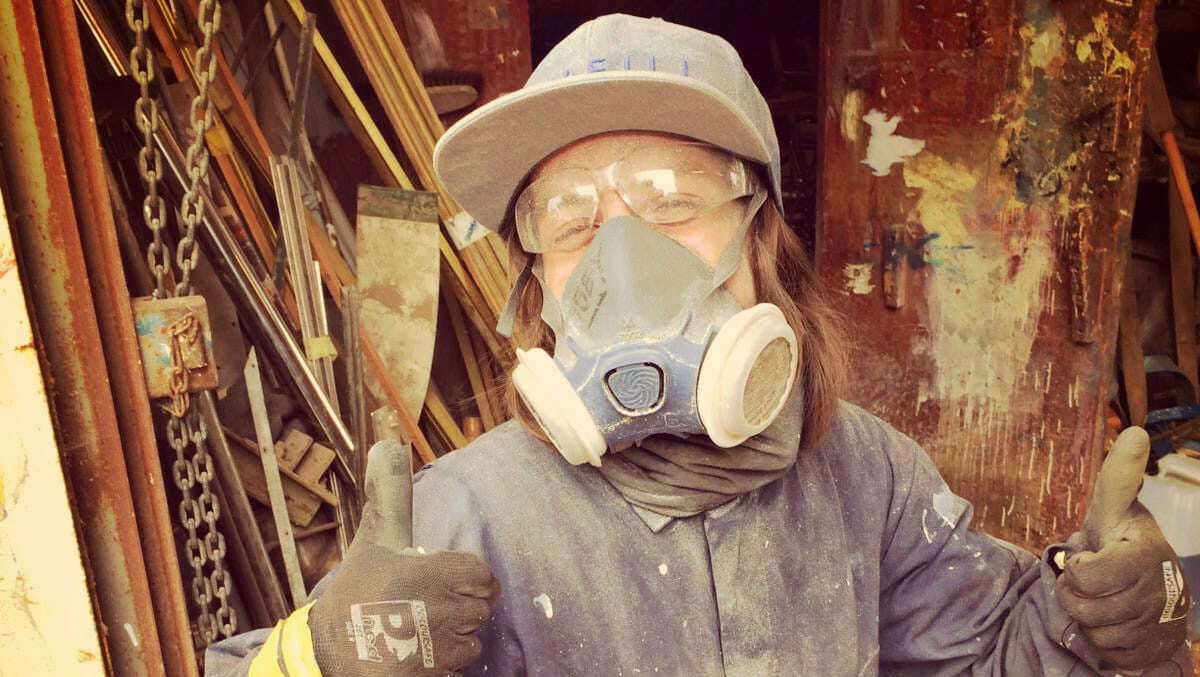
A new safety standard aimed at making personal protective equipment (PPE) more inclusive has been introduced across the UK. But for many boatbuilders, especially women, the reality on the workshop floor has yet to catch up. A survey by Women in Boat Building (WIBB) suggests poorly fitting gloves, masks and overalls remain commonplace, potentially compromising both safety and productivity.
Last September, a new standard for the Provision of Inclusive PPE was launched by the British Standards Institution (BSI). Under BS 30417, women working in the UK marine industry should now be able to expect access to better-fitting personal protective equipment.
However, WIBB has found that poorly fitting PPE is putting boatbuilders in the marine industry at risk – especially women. And the report makes dispiriting reading, just as the recent Magenta Project (and partners) survey did. That report says there’s a 22 per cent gap in daily pay for men and women, with no surprises about which gender earns less.
Gloves, masks and overalls are causing safety concerns
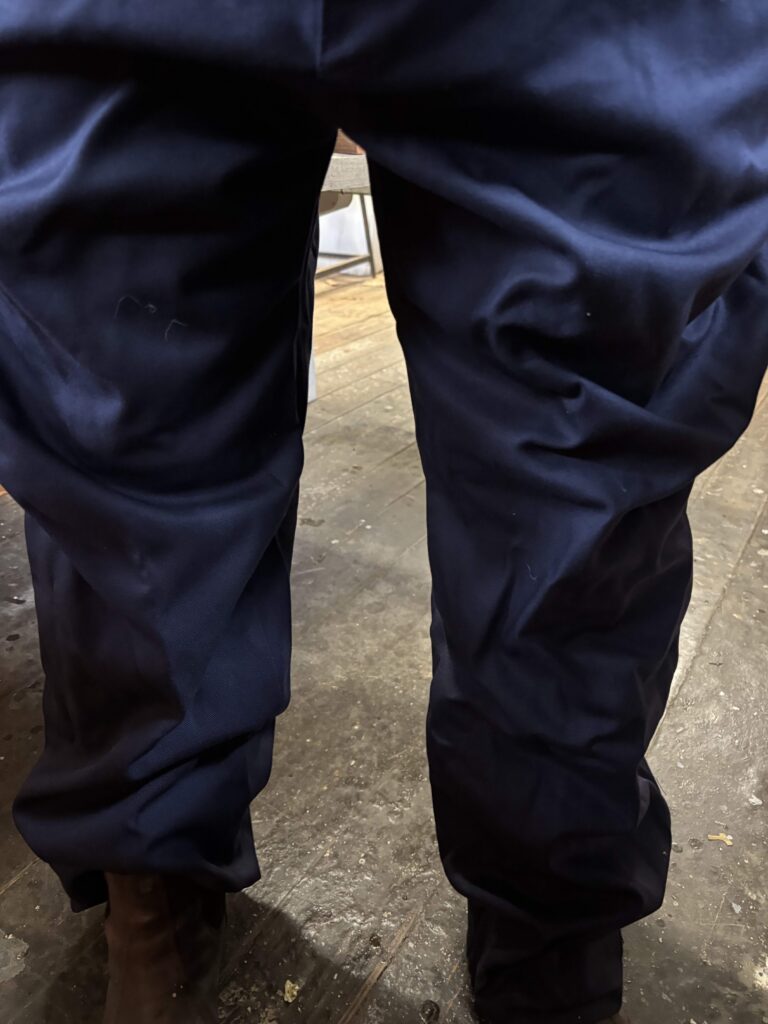
In terms of PPE, WIBB found that respiratory protective equipment (RPE – or masks) are often too large for smaller faces, have poor seals and fail to face-fit (40 per cent of respondents reported issues with mask fit). Then there are boots that don’t come in small enough sizes, gloves with too-long fingers – leading to loss of dexterity (68 per cent of WIBB’s respondents had an issue with gloves) – and overalls with excess fabric, leading to poor mobility (53 per cent cited overalls as a problem).
“I’ve never found any PPE that doesn’t make me feel like I’ve stolen my Dad’s overalls and am trying to pick up rods wearing oven gloves,” says one respondent.
To be clear, around ten per cent of the respondents were men.
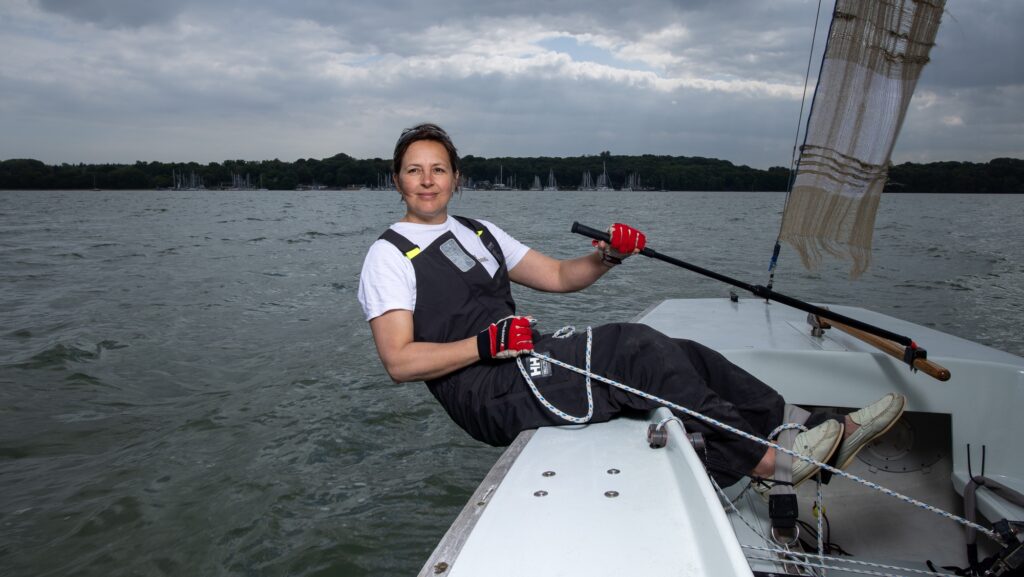
“Mostly, women are making do – getting on with the job, and the yards will be clueless about their challenges,” says Belinda Joslin. “This report has some shocking facts and figures – but nothing we were surprised by.
“People find it hard to get PPE that fits their size and body shape. It’s a seemingly small – but really important – element of working life which we are asking yards, suppliers and manufacturers to focus on improving for the women working hands-on in the marine industry.”
Boatbuilders question whether PPE is designed for women
The data WIBB collected shows that 90 per cent of respondents have felt restricted or limited in movement. Their PPE has affected their ability to perform their job. The full report can be read online.
When asked directly whether their PPE was designed for women, one respondent wrote simply: “Ha ha. Nope.”
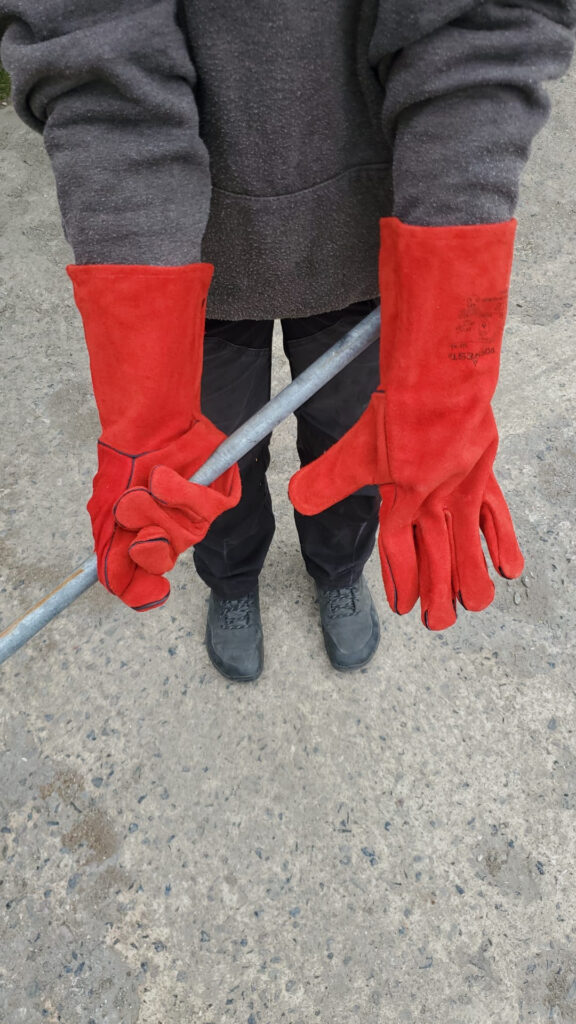
Another says: “It is a shame that I don’t have overalls that fit me at work or workshirts, as it makes my job more difficult with constantly rolling up sleeves and legs or making sure my shirt doesn’t get caught in machinery.”
One describes having to hide smaller gloves on site to ensure availability: “The classic: hiding a box of medium size gloves, (in a dry can of paint) ’cause the guys will use any pair, but the largest are unsafe for me to work in.”
Stacking ill-fitting PPE increases safety risks
PPE-stacking is a recurrent problem. Using multiple PPE items, all slightly too big, doesn’t work on a smaller frame and compromises safety. Multiple respondents highlighted the challenge of wearing combined PPE, resulting in some items being discarded.
“There are times when I feel it is just too much to wear – ear protection, respirator and glasses are too much.”

Respiratory protection and missing face-fit testing
The survey also asked about RPE face-fit testing. Respiratory protection is critical in boatyards. Fifty per cent of respondents say their workplace doesn’t have a face-fit-certified person to carry out RPE face-fit testing.
“The Women in Boat Building PPE survey results clearly demonstrate a need for yards to provide more inclusive PPE, so we are delighted that BS 30417 has given an official framework that will ensure safer working environments for women working hands-on in the UK,” continues Joslin.
If smaller sizes are not stocked by commonly used trade suppliers, access becomes dependent on special orders, creating delays and inconvenience. Procurement systems must match workforce reality.
Practical steps yards can take now
Joslin, who credits the excellent Katy Stickland, editor of Practical Boat Owner, for driving the creation of the research, has a list of practical recommendations that yards’ owners and managers can consider. It starts with auditing the fit – as well as the availability – of PPE, and noting that different brands may provide better solutions.
Unisex is very rarely universal.
Then there’s the idea of normalising reporting fit issues (rather than seeing it as a complaint), and stocking women-specific ranges and including women in PPE trials.
BSI has also produced a guide setting out how to turn BS 30417 into action.
With the new BS 30417 framework now in place, the findings provide a clear signal for yards, suppliers and manufacturers to rethink how PPE is designed, stocked and issued. As the Women in Boat Building report suggests, improving safety may not require radical change, but it will require listening more closely to the people actually wearing the equipment.

The post ‘Ha ha. Nope’: survey responses paint shocking picture of whether PPE is fit for boatbuilders appeared first on Marine Industry News.