An AI-powered whale detection system using thermal imaging is being deployed to help ships avoid collisions with endangered whales – one of the leading causes of death for several large whale species.
Developed by WhaleSpotter with thermal sensing technology from Teledyne FLIR OEM, the system combines infrared cameras, artificial intelligence and real-time expert verification to detect whales at the surface and alert vessel crews in time to take action.
Thermal imaging designed for 24-hour detection
The technology forms part of the Thermal by FLIR programme and is designed to provide 24-hour detection capability in conditions where traditional visual observation can struggle.
“WhaleSpotter’s solution embodies our mission to enable intelligent thermal with edge-based AI that addresses critical, global challenges,” says Paul Clayton, president, Teledyne FLIR OEM. “The scalable, plug-and-play solution protects both the environment and the global supply chain.”
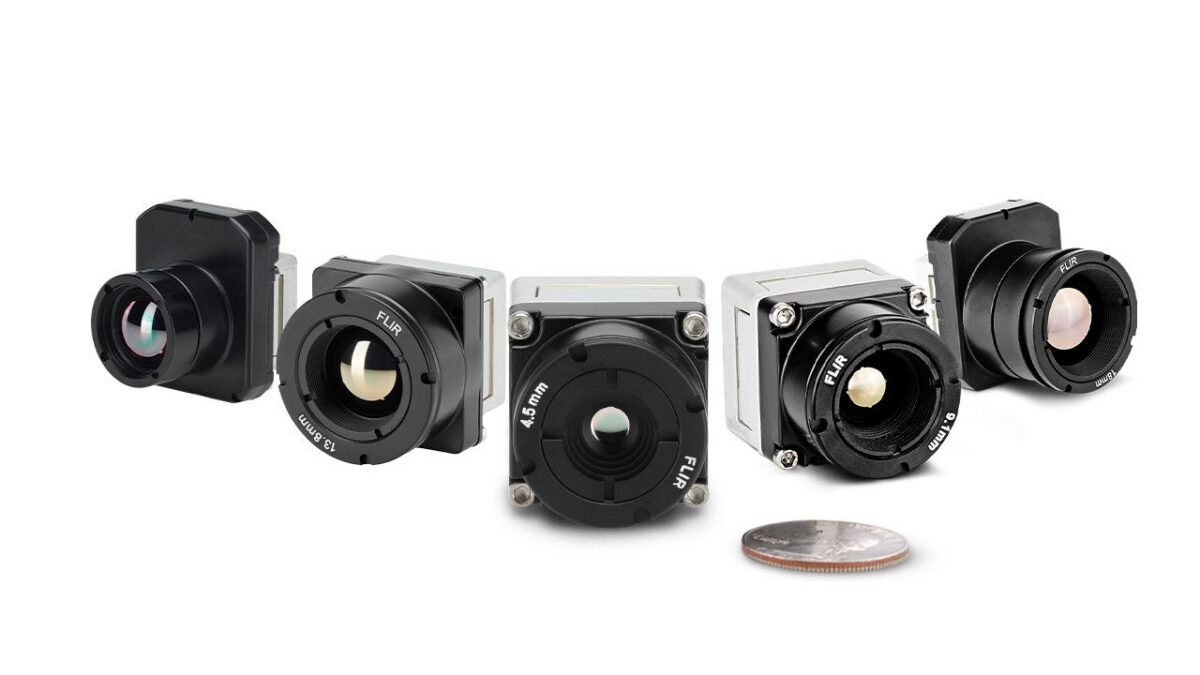
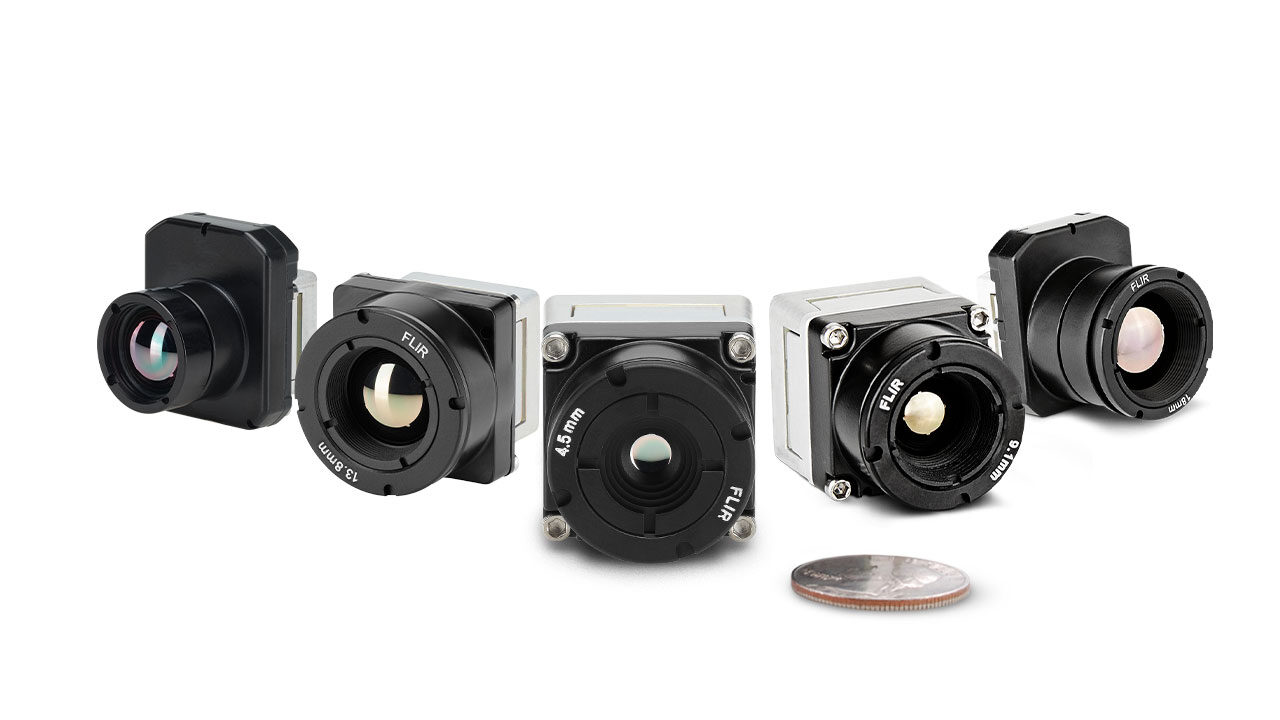
The system uses Teledyne FLIR OEM’s Boson+ thermal camera module to detect the heat signature of whales as they surface. This allows marine mammals to be detected in real time both day and night, and even in light fog.
According to the companies, the system can alert crews to whales at distances of up to seven kilometres (around four nautical miles), comparable to what a human observer could detect with binoculars during daylight conditions. The additional detection time gives vessels and offshore operators greater opportunity to adjust course or reduce speed.
Research origins and AI verification
The WhaleSpotter platform was developed following more than a decade of research led by Dr Daniel Zitterbart at the Woods Hole Oceanographic Institution, aimed at solving what researchers describe as the ‘unseen whale’ problem – the difficulty of spotting animals that spend most of their time underwater and surface unpredictably.
“By pairing Teledyne FLIR OEM’s thermal imaging with our AI and global network of expert marine specialists, we deliver 99 percent efficacy,” says Zitterbart, co-founder and chief scientist at WhaleSpotter. “This ensures captains have the confidence to act without the ‘alert fatigue’ caused by false positives.”
Commercial deployments growing
The technology has moved beyond the research stage and is now deployed commercially. After a decade of testing, WhaleSpotter says its system has logged more than 250,000 verified whale detections.
Today, nearly 100 systems are active at more than 50 locations worldwide, including use by shipping companies and offshore energy operators.
Among the adopters is US container shipping company Matson. In an announcement from November 2025, Matt Cox, chairman and CEO, said: “The technology is remarkable, and now refined to meet our zero-false alert requirements. Our crews are enthusiastic about this new tool and are already using it to help protect whales.”
Environmental and economic stakes
Beyond environmental concerns, whale strikes also carry wider economic implications. The International Monetary Fund has previously estimated that a single great whale can be worth more than $2 million due to its role in carbon sequestration, fishery productivity and ecotourism.
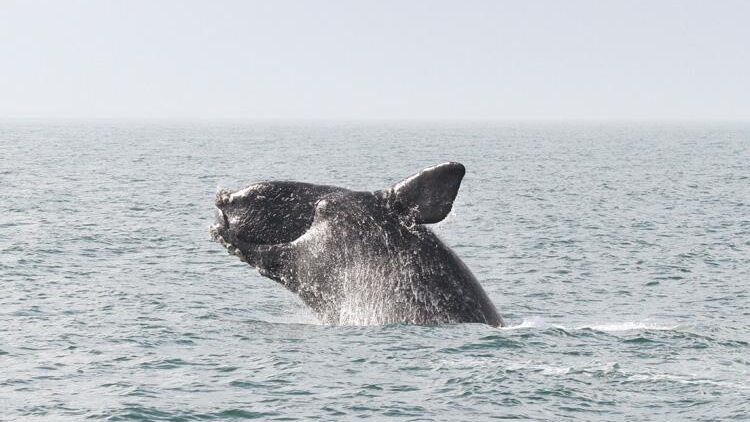
For species such as the critically endangered North Atlantic right whale – where only around 70 reproductively active females remain – preventing even a single ship strike could have significant implications for the survival of the population.
As shipping traffic continues to grow globally, developers of whale detection technology say systems that combine AI, thermal imaging and human verification could play an increasingly important role in helping vessels operate safely while reducing their impact on marine wildlife.

The post Thermal cameras and AI combine to tackle the ‘unseen whale’ problem appeared first on Marine Industry News.