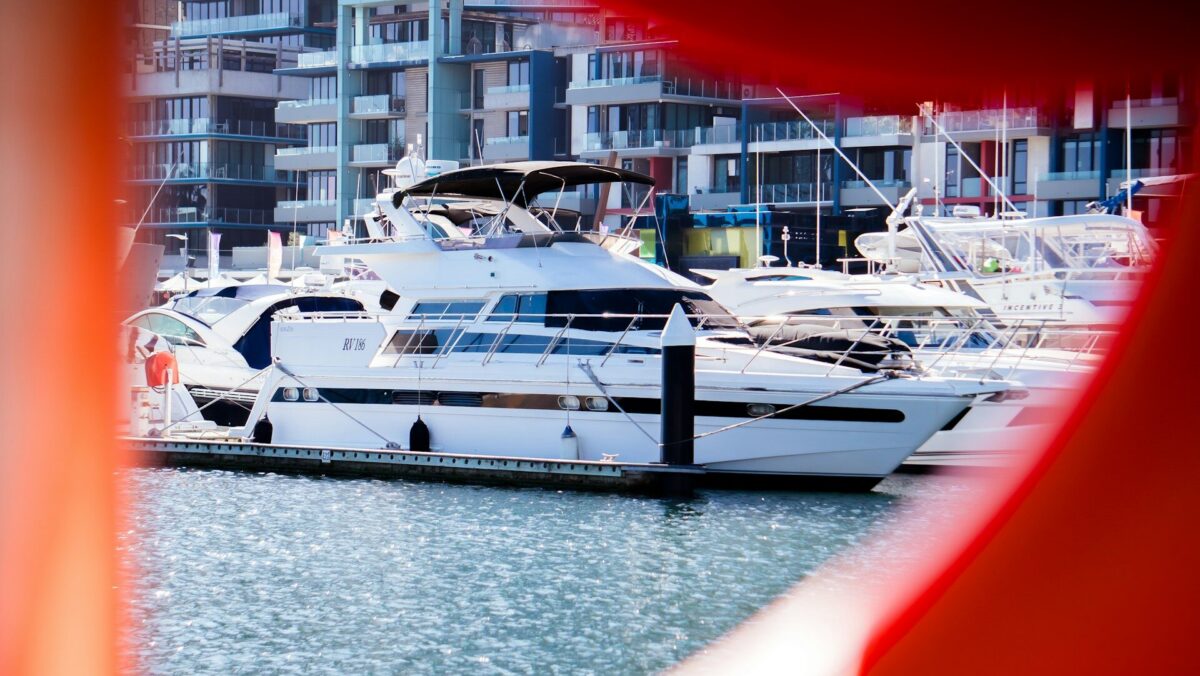
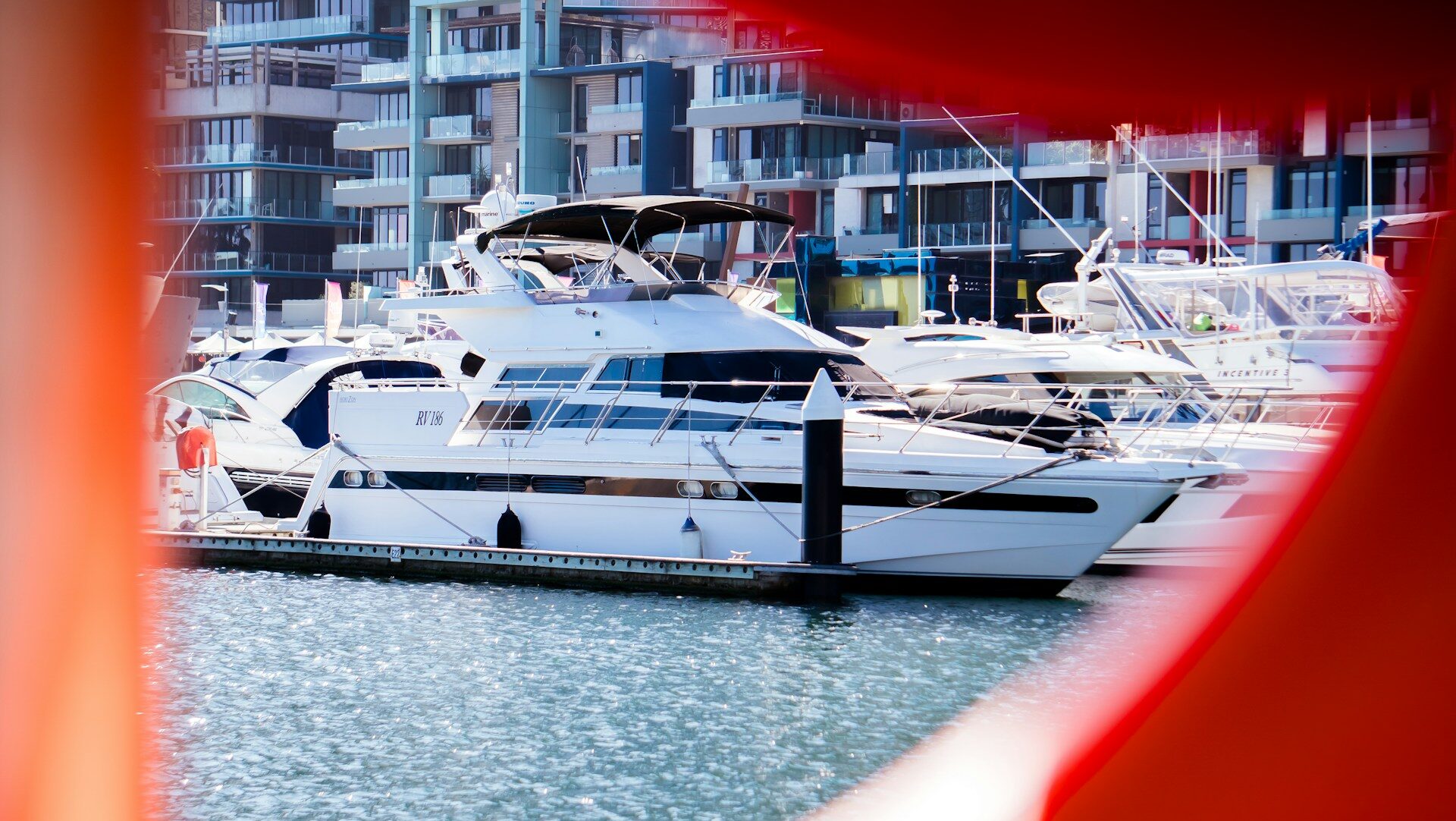
As insurers address the impact of Marpol Annex V requirements on policies, it’s time for marina operators and leisure boat owners to understand their obligations regarding compliance. This includes those who have – incorrectly – assumed that Marpol requirements apply only to commercial vessels.
Why Marpol matters
Marpol is the International Convention for the Prevention of Pollution from Ships, adopted through the International Maritime Organization (IMO). After a series of tanker accidents in the 1970s, Marpol was introduced to prevent ships polluting the marine environment via operational or accidental causes.
Marpol Annex V, first launched in 1988, generally prohibits the discharge of all rubbish into the sea, except for specific, limited exceptions. This applies to all ships, including leisure craft. Annex V is considered a ‘living document’ and is regularly updated, with the most recent amendment in 2024.
Now, insurers are issuing stark warnings: Marpol requirements affect the marine leisure industry too. This includes how leisure vessels are cleaned in marinas. Marpol’s requirements apply to all vessels, of any type, operating in the marine environment, including merchant ships, offshore platforms, and non-commercial vessels such as yachts, and extend to cleaning agents discharged into marina waters.
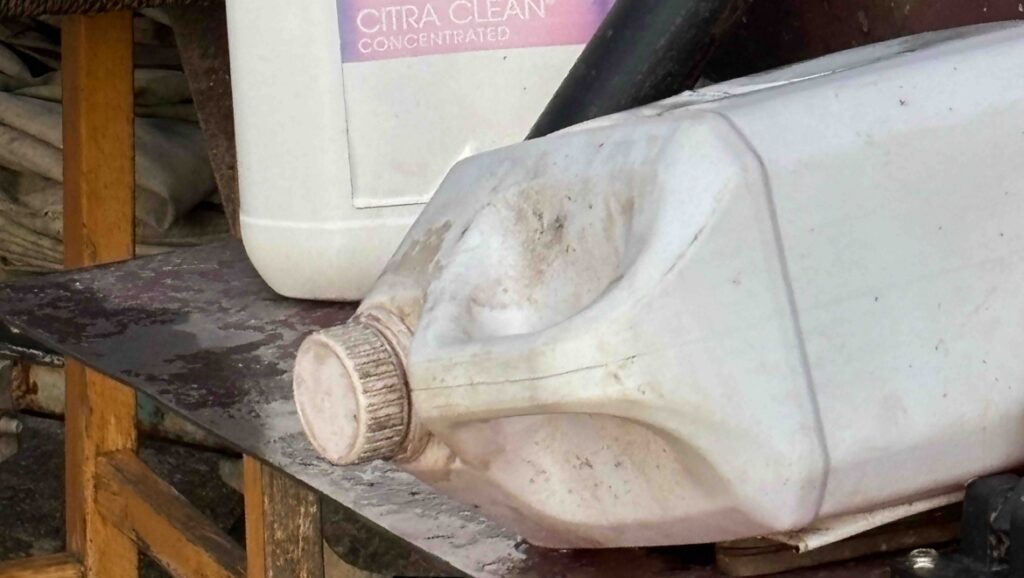
Routine activities can lead to unlawful pollution
“Marpol Annex V regulates the disposal of garbage at sea, and its scope extends to marina environments, for marina operators, tradespeople, and boat owners. Compliance is not optional, and the risks of getting it wrong are significant,” says Alan Wilkins, CEO of UK-based specialist insurance broker MercariRisk.
“The regulation prohibits most discharges of waste from vessels, including plastics, waste, and contaminated residues, therefore, routine activities such as pressure washing, maintenance, and general cleaning can easily lead to unlawful pollution if not properly controlled.”
What leisure boats need to know about regulations
Annex V effectively says that Marpol’s operational discharge rules cover people cleaning their boats – whether on the water in a marina or even in a boat yard (where surface water drains into the sea).
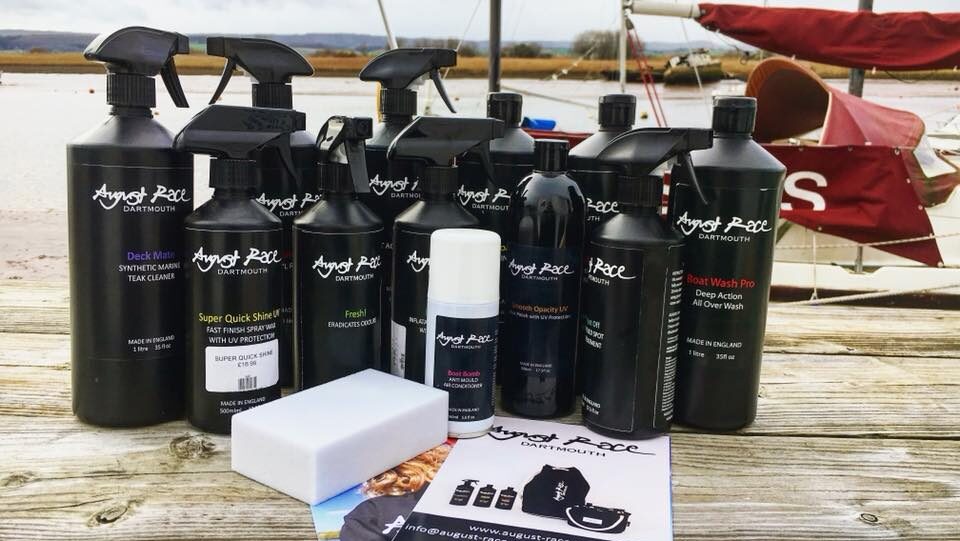
Peter Wallbank, technical director of August Race, a UK manufacturer of marine cleaning products, has spent 18 months researching regulations, products, greenwashing and insurance implications. He’s concerned that many in the leisure sector are unaware of the regulations and, as such, have created a compliance gap. That, he says, is not driven by carelessness or lack of concern but is largely the result of limited awareness of Marpol Annex V and its practical relevance to everyday leisure boating activities.
Wallbank’s research draws on expert opinion from across the industry, including Wilkins.
“The compliance gap has existed for decades and is widely misunderstood in leisure,” says Wallbank, “while the commercial sector is well versed in Marpol compliance because it’s part of everyday operations.”
Marina operators, tradespeople and contractors are at risk
“Marina operators carry the greatest exposure [in marina environments],” says Wilkins. “Beyond potential fines, the reputational impact of a visible pollution incident can be severe. Increasingly, authorities expect operators to actively prevent pollution rather than simply respond to it.
“Tradespeople and contractors are also at risk. Routine wash-down, sanding, or maintenance work can result in contaminated runoff entering the water. Individual boat owners, too, may breach Annex V through everyday behaviours such as disposing of waste or cleaning overboard.”
Confirmation from IMO
Wallbank’s primary investigation into whether the rules apply to all vessels led him, via Marpol’s six annexes, to the head of marine pollution at the IMO. “He confirmed that Marpol Annex V applies to all vessels, including recreational craft.”
This means that if harmful chemicals enter the water when boats are being washed, leisure boaters and marinas could potentially (in certain circumstances) be viewed as engaging in a non-accidental discharge. Routine marina wash-downs are considered operational and foreseeable, not accidental, argues Wallbank.
This affects any person, or business, washing boats. This includes boat owners, brokers, charter companies, watersports providers and training schools.
Wallbank’s research paper – including peer review – is online.
What leisure boats need to know about products
Knowing that the regulations affect all boat owners is not enough. The next challenge is identifying which products are genuinely safe, as Wallbank’s additional research shows a significant proportion contain harmful chemicals.
Even though consumers purchasing products marketed for marine use may reasonably assume that products are suitable for discharge within marine environments (when used as directed), there is an assumption gap between perceived environmental suitability and declared hazard classification. Therefore, boat owners and operators should review Safety Data Sheets and relevant guidance to ensure products are appropriate for their intended use.
“A product labelled as ‘boat wash’ may carry an aquatic hazard classification while being marketed for routine use in marina waters,” explains Wallbank.
“So many products in the marine leisure market – for cleaning leisure boats – are falling well short environmentally, especially in terms of Marpol.”
Harmful content marketed to boat owners
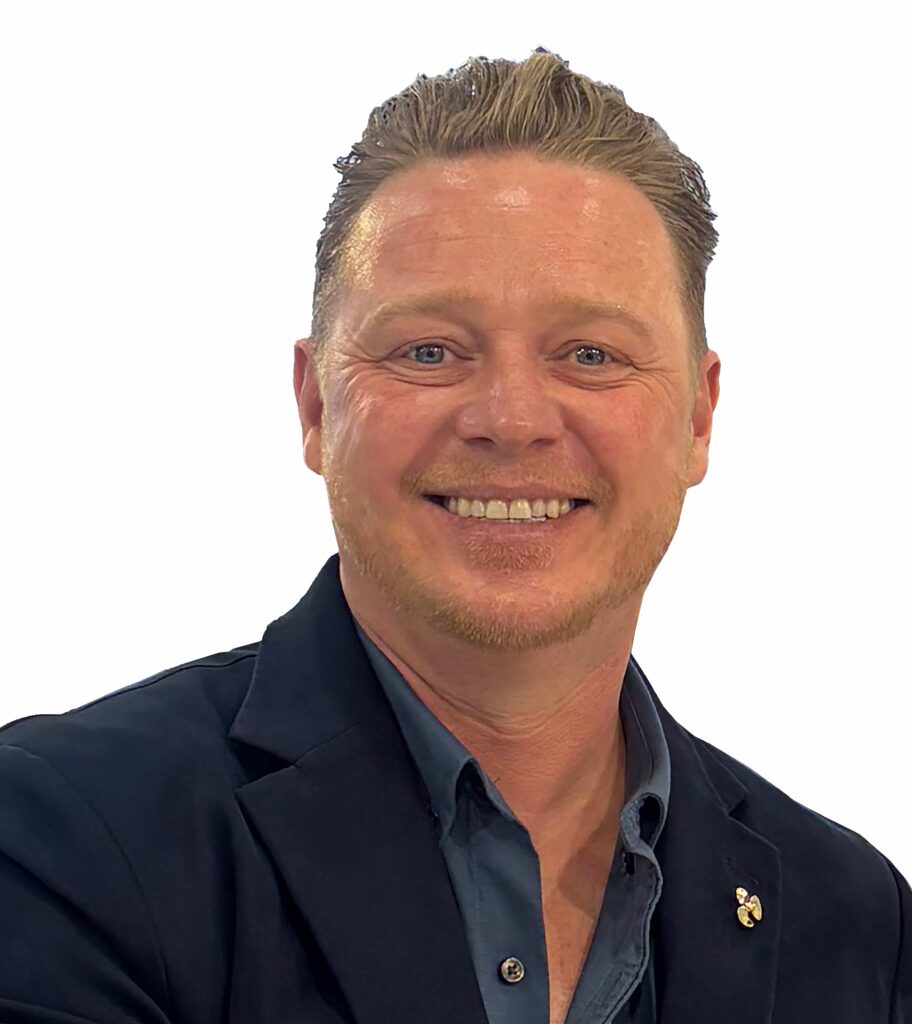
It’s fair to say that Wallbank (pictured left) has a vested interest. His company, August Race, manufactures boat cleaning and maintenance products. But that doesn’t mean he shouldn’t highlight the greenwashing issue.
He says there’s an epidemic of companies claiming to be environmentally friendly. If a product’s marketed as friendly for boats “consumers ‘grab and go’ something that looks okay, without giving it a second thought.”
But, he did give it a second thought. Indeed, many more.
Data sheets reveal truth about inclusion of harmful marine ingredients
Wallbank undertook a technical screening exercise to assess the prevalence of aquatic hazard classifications within boat washes (42 products) and bilge cleaners (36 products) using publicly available MSDS.
In both screened categories, he found the discharge pathway into marine waters is predictable and routine.
“I looked at 46 different examples of readily available boat washes,” he explains, “and 70 per cent of them were harmful to the marine environment as stated on their own MSDS.”
The screening identified hazard classifications H400, H410, H411, H412 and H413, as well as references to substances hazardous to the aquatic environment and Marine Pollutant classifications in accordance with the Globally Harmonised System (GHS) and CLP regulatory frameworks.
The screening exercise was based solely on hazard classifications declared by manufacturers within publicly available Safety Data Sheets. While Safety Data Sheets often list hazard classifications for individual components in their pure form, products were only flagged where the hazard indicators applied to the finished formulation or mixture classification.
Read Wallbank’s full screening report online.
Results showed that 69.1 per cent of boat wash products and 41.7 per cent of bilge cleaner products screened by Wallbank are classified as hazardous to the aquatic environment.
“Environmental claims do not always align with hazard classifications, meaning boaters trying to do the right thing may be misled.”
Wallbank says many companies talk about sustainability, but when what they’re actually doing is examined fully, the data doesn’t back up the claims.
“It’s really pretty worrying, and up to now it’s been largely unopposed.”
While Wallbank is very positive about marina operators’ current central role in environmental protection, he says (in a review he conducted of publicly available berthing agreements) that, in many cases, environmental provisions are framed in broader terms, such as ‘no pollution’ or the use of ‘environmentally safe products’. While well-intentioned, these terms are not typically aligned directly with the IMO’s specific definition of substances that are ‘not harmful to the marine environment’ (non-HME).
Insurance complications for boat owners
This lack of awareness is not only environmentally risky but also potentially costly.
Wilkins says the core issue is that traditional working practices often fall short of modern regulatory expectations. Open wash-down and uncontrolled discharge are no longer defensible.
Insurance typically only covers ‘sudden and accidental’ pollution events. Routine cleaning is unlikely to qualify.
“The insurance position heightens this risk because pollution cover is typically limited to ‘sudden and unforeseen’ events, therefore excluding pollution caused by routine washdown and maintenance activities,” argues Wilkins. “Additionally, there is generally no cover for fines, particularly where conduct is deliberate, knowing, or criminal.”
A lack of awareness from boat owners is unlikely to hold up when it comes to claiming on an insurance policy.
This creates a potential vulnerability for both private individuals and commercial operators, particularly if obligations under applicable legislation are not clearly understood or communicated.
Wilkins continues: “Consider a worst-case scenario: repeated, unmanaged wash-down activity allowing pollutants to enter the marina over time. Authorities determined the pollution was foreseeable. The marina faces fines, clean-up costs, and reputational damage, while insurers decline cover. Contractors and boat owners may also face liability.”
Marina operator risk is also significant
Marina and boatyard operators must demonstrate reasonable steps toward compliance.
“Mitigation requires practical change: Marina operators should tighten berth licences and booking terms, backed by clear signage, deposits, local sanctions, and indemnities,” says Wilkins.
“Providing contained wash-down areas is essential to prevent runoff entering the water. Tradespeople must adopt controlled methods and proper waste disposal, while boat owners should be clearly guided on compliant behaviour.”
Clear messaging, practical guidance and simple contractual clarification can materially strengthen defensibility while reinforcing environmental standards.
Following discussions with key individuals at the IMO and in-depth research, Wallbank sought the International Council of Marine Industry Associations’ backing.
He got it.
In late December 2025, ICOMIA approved new Marpol guidance for the leisure marine industry around practical scenarios, supporting greater awareness of operational obligations and helping reduce uncertainty across the sector, not least because ‘routine activities can have a cumulative impact on water quality, local ecosystems, and aquaculture when non-compliant products are used,’ thus putting marinas – allowing harmful chemicals to be used – at the heart of the challenge. ICOMIA noted that events (viewed in isolation) are rarely viewed as pollution events. But as to the cumulative impact?
Marina oversight needed for cumulative effect
‘The guidance focuses specifically on cleaning agents and additives contained in deck and external surfaces wash water, an area where practical interpretation has historically varied across the leisure marine sector,’ says ICOMIA’s briefing. It addresses the realities of day-to-day marine operations.
‘Marinas and boatyards host contractors carrying out valeting and maintenance work, and boat owners frequently clean vessels on the berth.
‘In both cases, wash water and chemical run-off often enter marinas directly. Similar considerations apply to treated bilge water and other operational wastewater discharges.’
Impact on commercial insurance policies
Wallbank has had meetings and consultations with many insurance specialists from all around the world.
“Insurance companies are beginning to ensure that policyholders understand the potential implications of breaching Marpol, particularly where a discharge may not fall within the scope of sudden and accidental pollution cover.”
He says that the feedback from the insurance industry has been that unless a marina can evidence that they have taken adequate measures to abide by Marpol Annex V, they could also potentially be liable [for harmful substances discharged in the water – whether deliberately or accidentally], which would be a much bigger problem for a commercial insurance policy which could also be affected.
“Ultimately, compliance with Marpol Annex V depends on proactive control,” says Wilkins. “Without it, pollution risk becomes both an environmental issue and a significant uninsured liability, whether you are a marina operator, tradesperson, or vessel owner.”

What the future holds
Wallbank is establishing a working group to help marinas and boat owners navigate compliance and environmental protection.
He’d like to see a voluntary industry standard requiring one of two clearly visible front-of-label statements on products saying something akin to: ‘Not Classified as Hazardous to the Aquatic Environment (GHS/CLP)’ or ‘Classified as Hazardous to the Aquatic Environment – See SDS for Details’.
More easily done (as asking any industry to voluntarily regulate itself when profit is set against the greater good is fraught with delaying tactics and obfuscation) is boat owners taking personal responsibility to look at the labels of the products they’re using. It doesn’t take long, but it makes a huge difference.
Wallbank says marinas could potentially limit insurance exposure with something as simple as putting up signage, and contacting bertholders expressing the need to adhere to Marpol especially when considering ICOMIA’s warning about the cumulative impact on water quality, local ecosystems, and aquaculture when non-compliant products are used.
With modest clarification – such as simple wording adjustments in berthing contracts, clearer signage, or short guidance notes for berth holders – marina operators could further strengthen their position, support compliance, and enhance environmental protection in a way that is proportionate and practical.
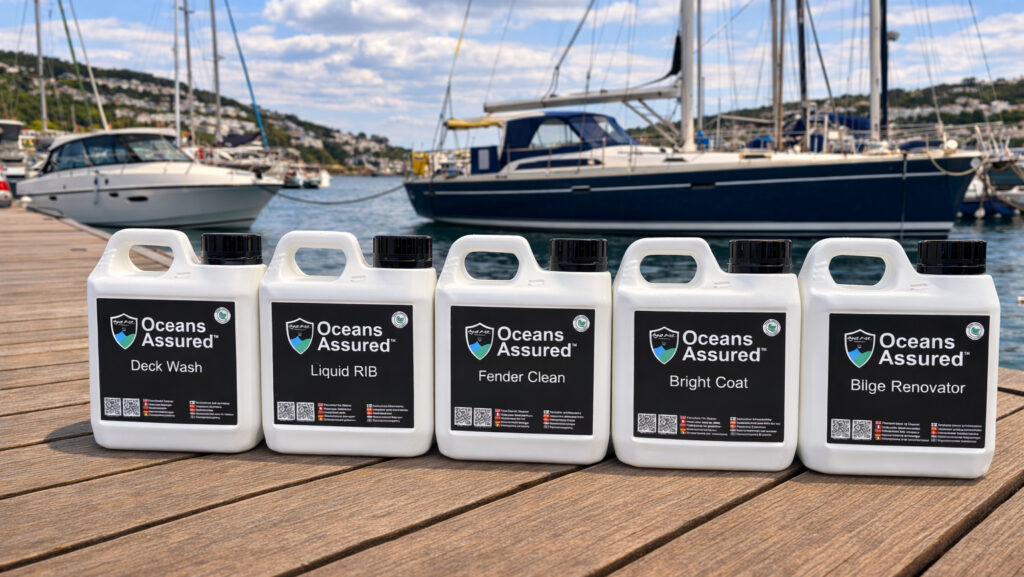
August Race has fully reformulated and rebranded its products under the new banner of August Race – Oceans Assured. This launches globally on 22 April 2026 to coincide with World Earth Day.
In the UK, Marpol offences are investigated and prosecuted by the Maritime & Coastguard Agency under the Merchant Shipping pollution regulations, although enforcement arrangements differ between countries, where responsibility sits with the relevant national maritime authority.
The post Marpol wake-up call: the everyday boat cleaning habit that could void insurance appeared first on Marine Industry News.