“I was asked if I was a diversity hire, despite graduating top of my class.” Two marine technology professionals discuss career trajectories, engineering excellence, mentorship, and why visibility is the key to normalisation.
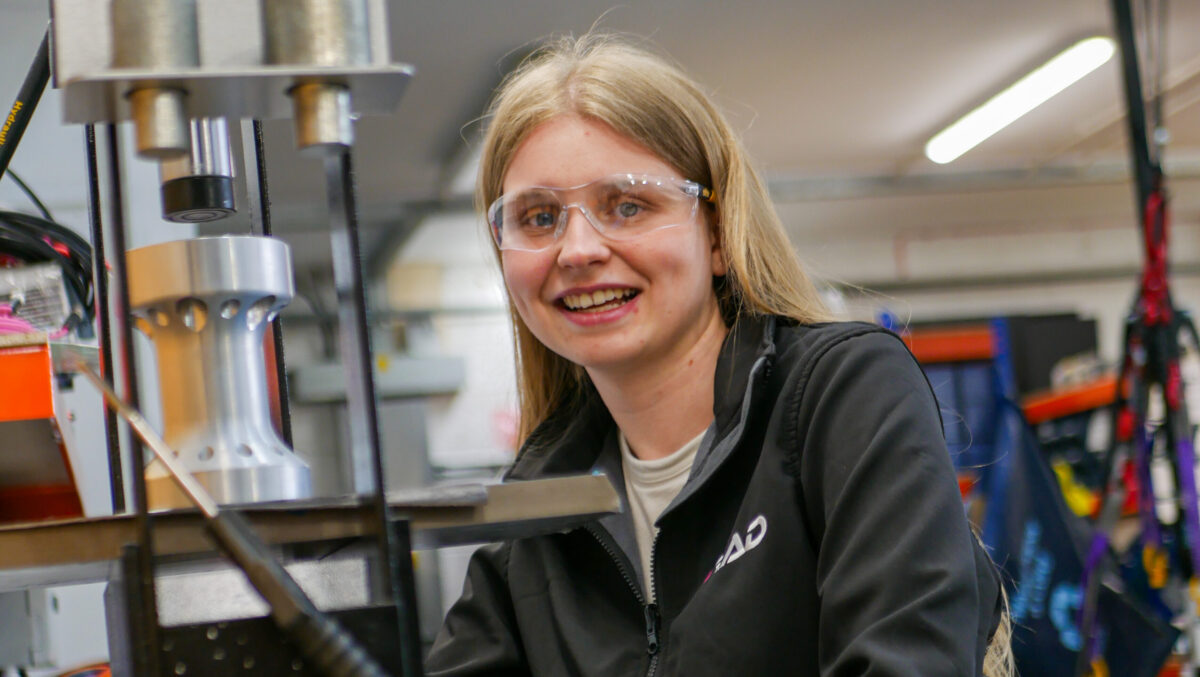
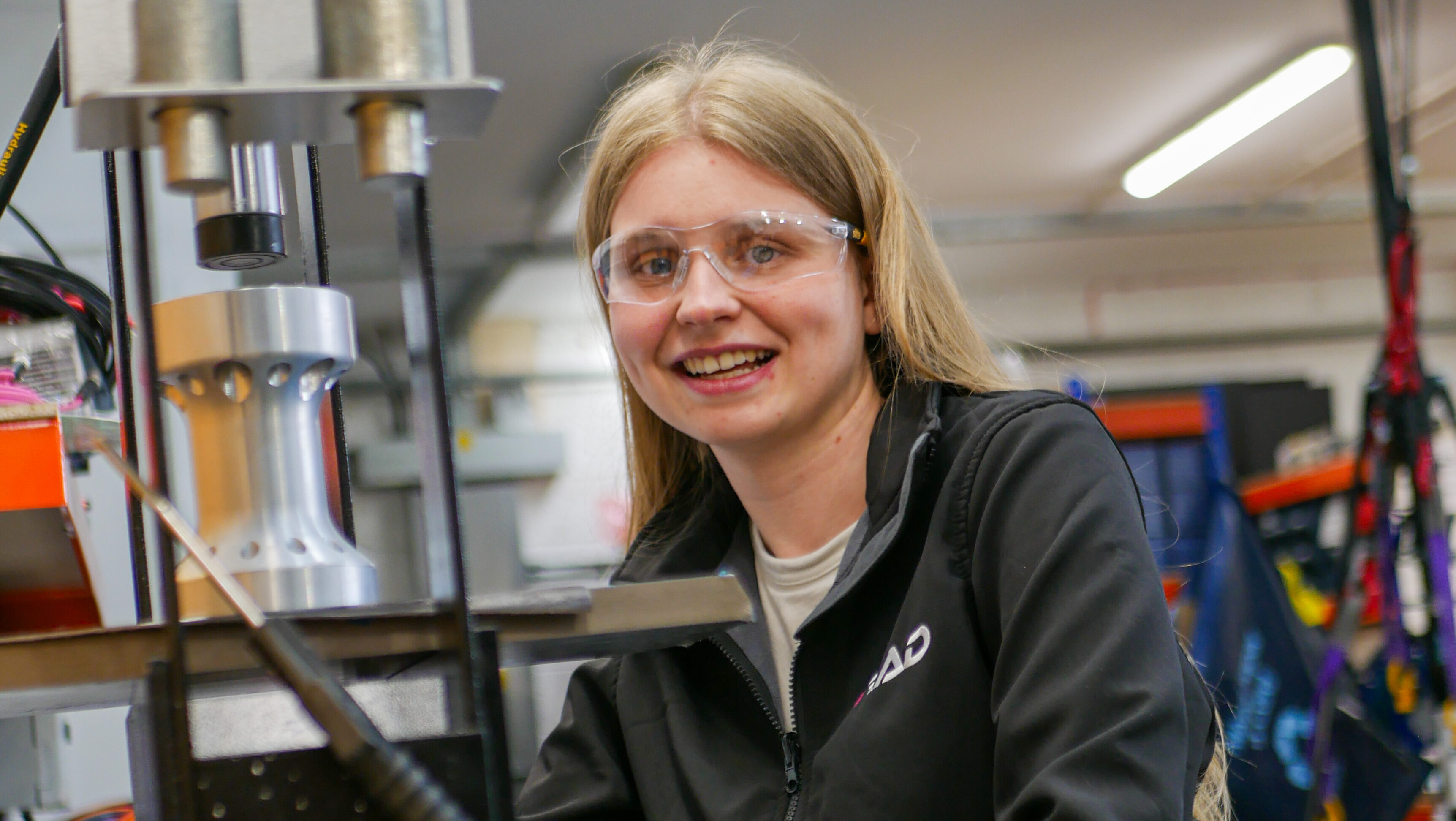
Jess Moss, mechanical design engineer, RAD Propulsion
Jess Moss joined electric propulsion specialist RAD Propulsion in early 2026. Working in one of the maritime sector’s most technically demanding disciplines, Moss focuses on sustainable engineering and product development.
“If you’d told me when I was younger that I’d end up as a mechanical engineer working in maritime, I probably wouldn’t have believed you,” she says.
“I went to an all‑girls secondary school where subjects like DT were cancelled early on, so I didn’t have much exposure to engineering until GCSEs. Everything changed when one of my teachers introduced a computer science course. She was passionate about getting girls into STEM, and that enthusiasm rubbed off on me.”
Moss then studied engineering at university.
“I was one of only around 20 women in a cohort of 200, and that number dropped as the years went on,” she reflects. “But I was determined. I had lecturers who genuinely supported me. I also had industrial mentors, such as a director named Alex, who took the time to talk to me about placements/engineering, encouraged me to apply for roles, hired me, and continued supporting me long after I graduated.
“Being a woman in engineering and maritime has mostly been a positive experience for me, but that doesn’t mean there haven’t been moments. At university, I was once asked if I was ‘only on the course as a diversity hire’, despite graduating top of my class. Comments like that stick with you, but they also fuel you,” she says.
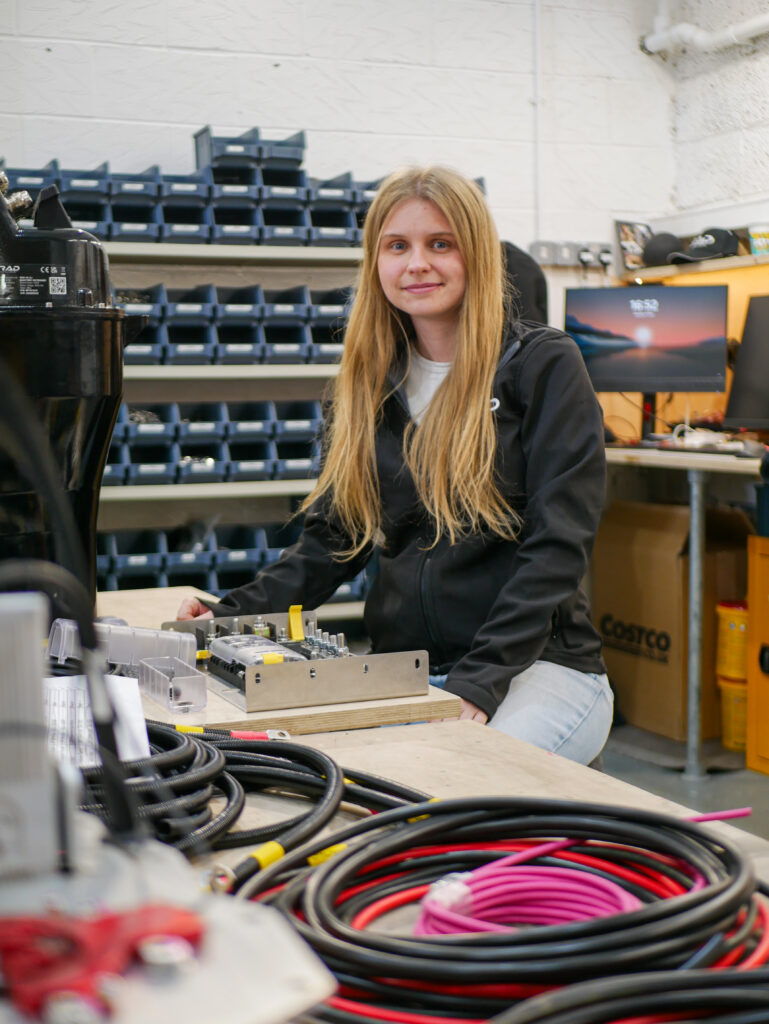
“I’ve learned to be strategic about the environments I choose, places where I feel supported, respected and valued for my work. RAD has been exactly that. I’ve never been made to feel like I can’t do something because I’m a woman; I’m treated the same as everyone else, which is exactly how it should be.”
In an interview in 2025, RAD Propulsion CEO Dan Hook spoke to MIN about the need to champion collaboration to expedite growth in the electric marine market.
Moss says one of her career highlights so far has been completing her PB2 qualification within my first month at RAD. “I’d never driven a boat before, and after just half an hour of guidance, I was out on the water. It pushed me out of my comfort zone in the best way.
For young women looking to enter the marine space, Moss advises securing early experience.
“Seek out opportunities early; experience days, work placements, shadowing. You don’t know what you’ll enjoy until you try it. And when you do enter these spaces, build a strong foundation in STEM, trust your abilities, and ignore anyone who suggests you don’t belong. You’re an engineer, full stop.”
Moss says she hopes the industry reaches a point “where women in maritime isn’t a headline, it’s just normal”.
“International Women in Maritime Day is important because it gives us space to share our experiences, challenge assumptions, and show younger girls that this world is open to them too,” she says. “The more visible we are, the more natural it becomes for the next generation.”

Jillian Verbeurgt, Executive Assistant, Hefring Marine
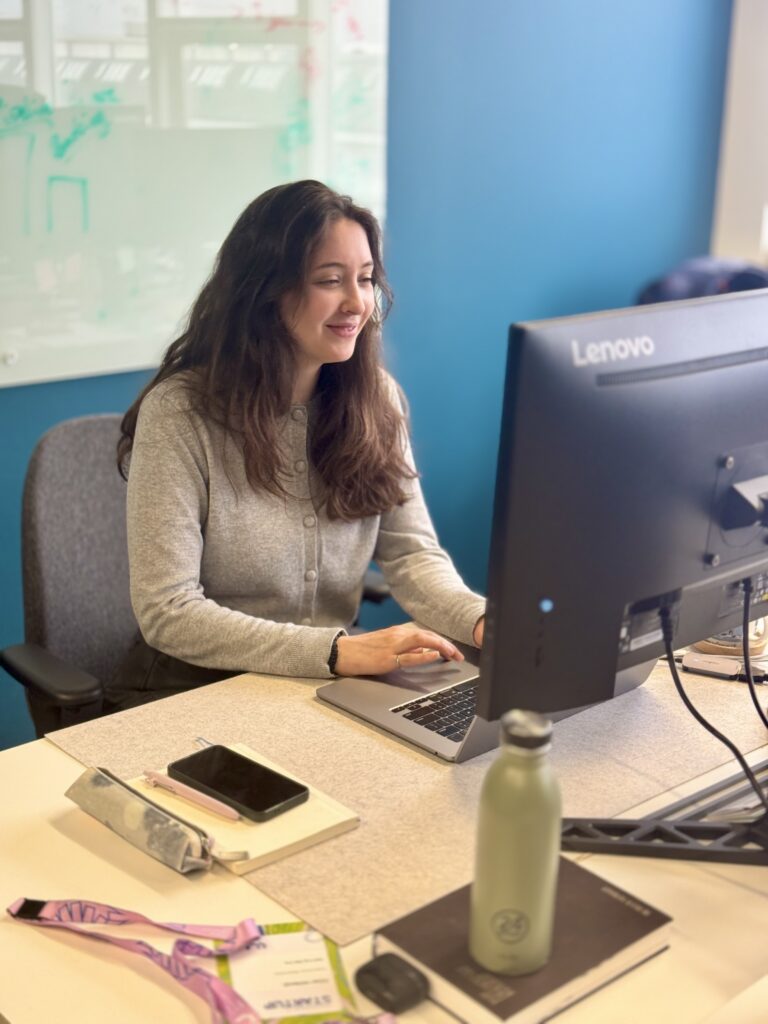
At Icelandic marine tech firm Hefring Marine, Jillian Verbeurgt (pictured left) supports strategic operations and cross-team projects as the company scales its intelligent, real-time decision-support systems for commercial and defence vessels.
“When people ask how I ended up working in the maritime industry, I usually smile, because the truth is: I never planned to be here. I grew up in the mountains of Canada, far from the ocean, and maritime wasn’t even on my radar,” she says. “My path has been anything but linear. I moved to Iceland in 2017 to study sustainable energy sciences, and during my masters I found myself drawn into machine learning and data science.”
Driven by deploying advanced tech into traditional industrial segments, Verbeurgt founded and operated a food‑tech startup for five years before joining Hefring Marine.
“I’ve always been motivated by work that creates a positive impact, and Hefring’s focus on safety and sustainability resonated deeply with me. Even though I hadn’t come from a maritime background, joining the company, and living in Reykjavik, where the maritime industry is part of everyday life, naturally pulled me into this world.
“One of the most rewarding parts of my role has been working on the NATO DIANA (Defence Innovation Accelerator for the North Atlantic) accelerator programme. I’m one of Hefring’s main contacts for the project, and the experience has been transformative.”
In January 2026, Hefring was selected for the NATO DIANA 2026 cohort, one of just 15 companies in the maritime domain, chosen from more than 3,600 applicants. The programme supports cutting-edge dual-use technologies addressing critical defence and security challenges across the alliance.
“The team at Cove (Centre for Ocean Ventures and Entrepreneurship), with whom we collaborate, have been incredibly supportive. Maybe it’s the Canadian connection, but I’ve felt a real sense of mentorship and encouragement from them,” she continues. “The same is true within Hefring, the team is knowledgeable, collaborative, and genuinely supportive. I’ve been put forward for opportunities from the moment I joined, which has given me confidence and space to grow.
Verbeurgt notes that working on the technology and innovation side of the marine sector often offers a different experience than traditional maritime roles.
“I haven’t faced the assumptions or barriers that many women historically have, and I think that’s partly because this side of the sector is further along in terms of gender balance. I also see encouraging signs globally. In Canada, for example, I’ve met many women working in the Coast Guard and high‑ranking women in the Navy. Iceland, too, is one of the most gender‑equal countries in the world, so I’m optimistic about where things are heading.”
Her advice to incoming professionals is to look at maritime-adjacent sectors if direct entry feels daunting.
“If you’re passionate about the ocean or curious about the industry, there’s no harm in giving it a go,” she says. “Building confidence often comes from having a supportive ‘tribe’ around you, people who can back you up and help you navigate new environments.
“What excites me most about maritime is the potential for progress. Compared to industries like automotive, there’s still so much room for innovation, and being part of that change is incredibly rewarding. Looking ahead, I hope the industry continues moving toward true gender equality, with more roles in maritime technology where I believe women thrive. For me, International Women in Maritime Day is a moment to reflect on how far we’ve come, and to imagine what the future could look like for women shaping this industry.”
The post Beyond the quota: Why marine tech success is driving the diversity agenda appeared first on Marine Industry News.