For much of the leisure marine industry, Marpol has long been viewed as somebody else’s regulation – a framework for commercial shipping rather than marina operators or boat owners. But a growing conversation inside the sector suggests that assumption may no longer hold.
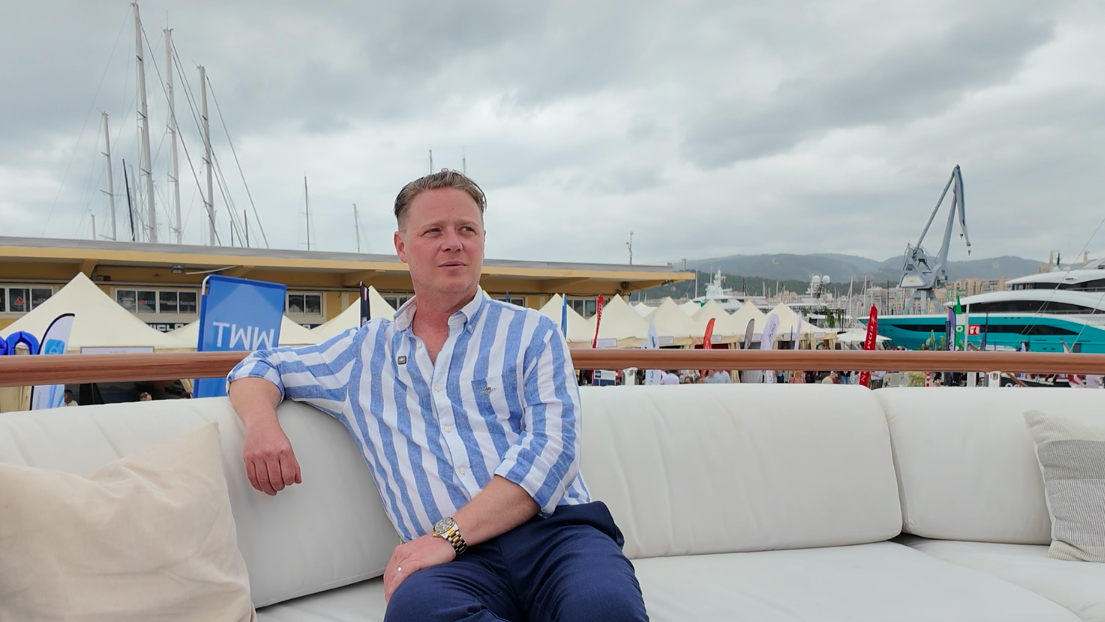
In late March, Peter Wallbank, technical director at August Race and a member of ICOMIA’s technical and sustainability committee, told MIN that he’d been concerned about the issue for some time.
And now in the latest episode of ICOMIA podcast’s series, supported by Elite Marinas, Wallbank is again putting a spotlight on the extent to which everyday leisure boating activity, particularly cleaning and maintenance, may already sit within the scope of international anti-pollution law.
Wallbank argues that awareness of Marpol – the international convention designed to prevent pollution from ships – in leisure boating remains strikingly low despite its direct relevance to marina operations.
Marpol’s overlooked relevance to leisure boating
Marpol has been in force since the 1970s and is embedded in commercial maritime operations. Yet Wallbank says its application to leisure marine businesses is often misunderstood.
“Knowledge of Marpol within the leisure sector is almost non-existent, pretty unbelievable,” he says.
For commercial shipping, compliance is routine. “It is part of their everyday operations,” Wallbank explains, noting that vessels cannot operate through ports without demonstrating compliance.
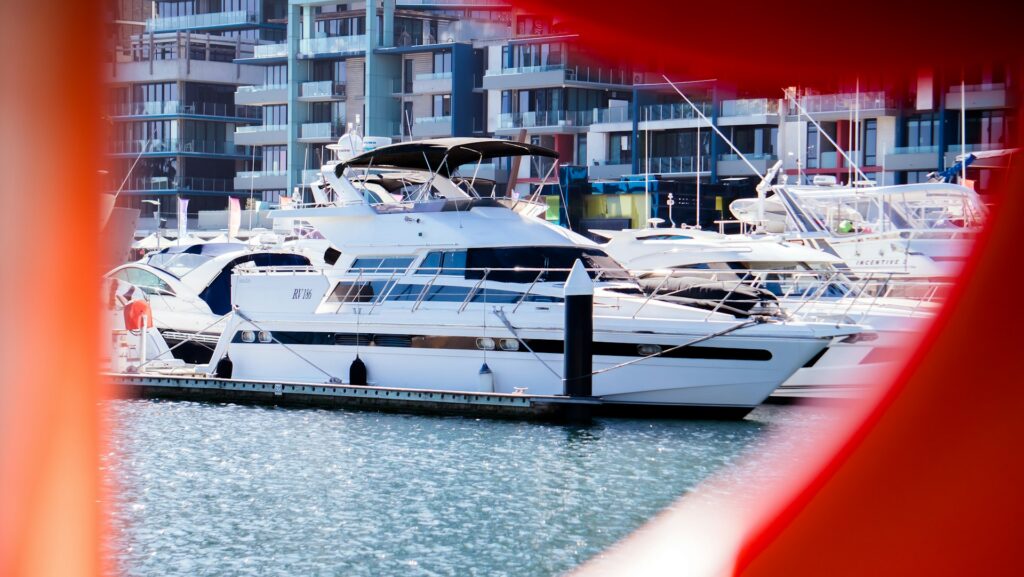
Leisure boating, however, has evolved differently. Cleaning products, detergents and maintenance chemicals are routinely used in marinas where residues may be rinsed directly into surrounding waters, yet many operators and boat owners remain unaware that MARPOL requires products discharged into the marine environment to be non-harmful.
“Where that comes into play is cleaning a boat in a marina, where it’s going to be discharged or rinsed into the water,” he says.
Wallbank stresses that the legislation reaches further than many assume. “This legislation applies to everybody,” he says. “It doesn’t matter if you’re a marina operator or a boat owner or a charter company or whatever else, if you are using a product that’s harmful to the marine environment, you could be liable to prosecution for breach of Marpol.”
Sustainability claims versus measurable compliance
A second theme emerging from the discussion is the growing tension between environmental marketing and evidence-based compliance.
In recent years, sustainability messaging has become commonplace across marine products, but Wallbank argues that terms such as ‘green’ and ‘eco’ risk obscuring a more practical question: whether a product is actually safe for marine discharge.
“The minute that somebody says, ‘Oh, this is a green product or an eco product,’ people’s ears prick up because they want to be doing the right thing,” he says.
Yet, he argues, Marpol demands fact-based sustainability essentially.
The distinction matters because broader sustainability assessments do not necessarily address direct environmental harm. “Life cycle assessment will bring some transparency to it – not necessarily say it is not harmful to the marine environment,” Wallbank says.
Research conducted by August Race into 46 boat wash product material safety data sheets add urgency to his point. “Nearly 70 per cent were classified as harmful to the marine environment,” he says, adding that some products also marketed themselves as environmentally friendly.
Marinas as educators – and risk managers
Rather than framing Marpol as purely an enforcement issue, Wallbank sees education as the sector’s most practical route forward.
“It needs to be from the top down,” he says, pointing to marina operators as a natural point of influence. “It’s actually not a huge change to include those extra footnotes in a berth contract or placards on site.”
The discussion features in episode 21 of the ICOMIA podcast marina series, hosted by Ben Taylor and supported by Elite Marinas. Guest Peter Wallbank is technical director at August Race, a marine maintenance product manufacturer, and serves on ICOMIA’s technical and sustainability committees.
The post Marpol compliance is a growing issue for marinas appeared first on Marine Industry News.