Leisure marine may be attracting a younger audience, but whether that translates into sustained ownership growth is far less certain. From premium yacht builders to brokers and industry bodies, signs are emerging that buyers in their 30s and 40s are entering the market in greater numbers, but in an uneven pattern.
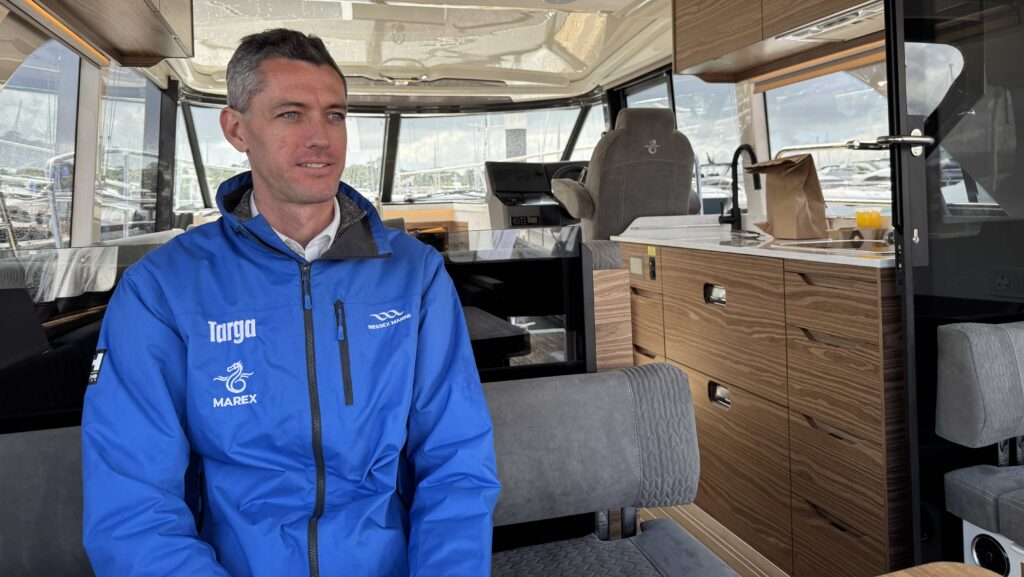
Currently Constant Colders, sales director SAY Carbon Yachts is seeing what he describes as a new generation of yacht buyers. “We’re increasingly seeing buyers in their 30s and 40s entering the market.”
He’s witnessed this through his own experience at boat shows and via dealers. “From what we’re seeing across the market more broadly, there has been a very noticeable shift toward younger yacht buyers.
“Historically, many owners would purchase a yacht later in life, often in their 60s or 70s, after retirement,” Colders notes. The younger generation’s flexibility – not being tied to the traditional office environment – allows them to work remotely and travel more freely. This “naturally lends itself to yachting and shorter, more spontaneous experiences on the water.”

He believes workplace flexibility and a growing preference for experiences are reshaping demand, with buyers increasingly seeking yachts that fit more seamlessly into everyday lifestyles: “Something that can be enjoyed spontaneously, without requiring the complexity or scale of a much larger vessel.” But within that, these buyers are looking for innovative technology-driven products, with smart features which integrate into the overall ownership experience.
“At the same time, this audience is far more conscious of sustainability and environmental impact. We’re seeing growing demand for yachts that make more efficient use of fuel and water, while also incorporating lighter and more advanced materials.”

A trend emerging – but not yet a wholesale shift
Wider anecdotal conversations point to younger consumers becoming more visible, but suggests growth is concentrated in participation, attention and first-time interest rather than straightforward ownership expansion.
And it depends on where they enter the market. In March 2026, D-Marin’s Dean Smith (chief commercial officer) noted that “an unprecedented wave of newcomers” has already altered buying behaviour. His research suggested that “the average [age of a] superyacht owner has dropped from around 65 to under 55 in just one decade . . . Boating used to be about progression through experience. Today, it’s about immediate access to a lifestyle.”
Across the market, Smith says first-time buyers now represent “31 per cent of all new boat purchases and 37 per cent of pre-owned transactions,” suggesting that younger and first-time buyers may be becoming more visible, particularly in lifestyle-driven and entry-level segments, even if evidence of a wider demographic shift across ownership remains limited.
Industry concern: converting participation into ownership
At last year’s Yacht Racing Forum industry leaders warned the marine sector risks losing an entire generation of participants unless pathways improve. That there’s a need for young people to enter the ecosystem “as consumers, athletes, employees, and / or boat owners” was repeated – several times.
One of the hurdles on the pathway is affordability. It’s cited as a challenge for many younger consumers with growing concern that ownership costs are deterring entry-level buyers.
Ownership costs remain a barrier at entry level
Chris Ibbotson, director of Waterside Boat Sales (representing Sasga Yachts), posits that the issue is no longer purchase price alone, but confidence in sustaining ownership costs.
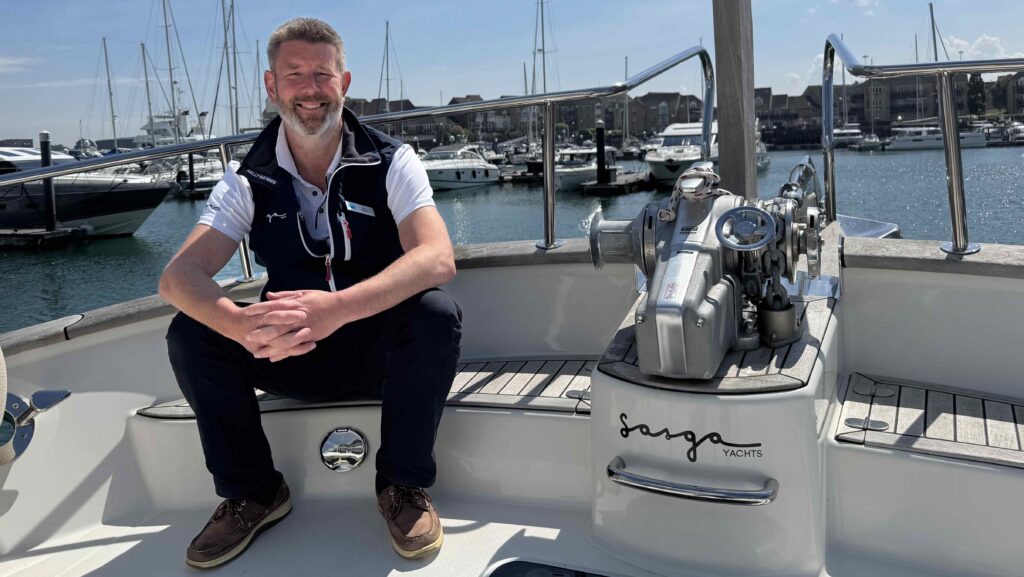
“The conversations I’m having are related much more to cost of ownership.” He argues buyers are hesitating because of monthly commitments attached to ownership, like a mooring. Those pressures are being felt at the smaller, entry-level end of the market – the traditional route into ownership.
A different picture at the premium end
But, Colders isn’t looking for customers who are worried about berthing fees – his buyers are premium. “Many are entrepreneurs or have built successful careers in industries such as technology and finance,” he notes.
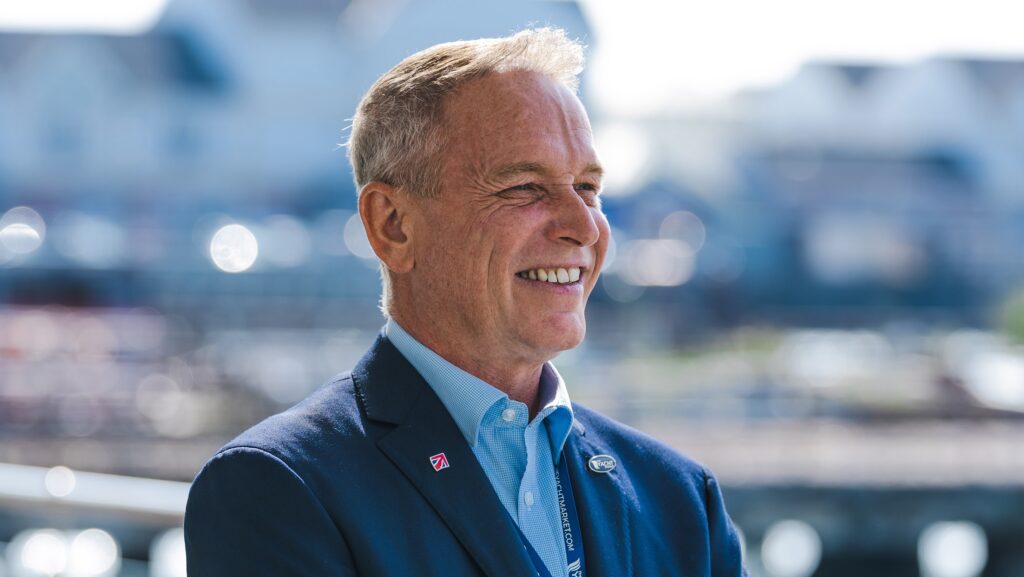
Richard Roberts, CEO of TheYachtMarket, agrees that yacht ownership is increasingly attracting entrepreneurs, tech professionals and lifestyle-focused buyers in their 40s and even 30s. He says it’s one of the biggest shifts reshaping the industry.
Plus, research from Yacht Market Intelligence suggests the average age of first-time superyacht buyers has fallen from around 56 to below 50 over the last decade, driven largely by new wealth creation in sectors such as technology, AI and digital business.
“The market is evolving rather than slowing,” says Roberts, “people still aspire to the freedom, privacy and lifestyle that boating offers, but they’re approaching ownership in a more thoughtful and experience-focused way than ever before.”
Hard data points to a younger pipeline
The questions is whether younger buyers are arriving – and converting to ownership (as entry-level economics constrain progression) – in sufficient numbers to sustain the whole market, rather than just the top end?
Commissioned industry research (undertaken by Ipsos on behalf of NMMA’s Market Expansion Advisory Group) implies that new entrants are younger than the incumbent owner base – the former’s now about 36 compared to 45 (that’s looking at pre and post 2020). They’re also more diverse and more affluent.
The same research shows changing pathways into ownership: charter and rental engagement among surveyed buyers rose from 17 per cent in 2020 to 27 per cent in 2024, implying younger consumers are entering boating through experience-led routes rather than traditional ownership ladders. The pathway is digital-first and self-directed with heavy use of YouTube/short-form video, online reviews, social media, and manufacturer and dealer sites. At the same time, trust still hinges on people: the dealer remains pivotal for credibility, transparent pricing, and relationship-building, even as more recent buyers also transact peer-to-peer.
Barriers are still in place for wider market ownership
The research also estimates there are approximately 35 million high-potential new buyers in the US (surveyed consumers who say they are at least 50 per cent likely to purchase a boat in the future). Thus the opportunity is significant, but these consumers have very unique motivations, and barriers including being cost-conscious, inexperienced, and pressed for time.
While some evidence supports the argument that the buyer mix is getting younger, particularly among recent entrants and first-time buyers, the data does not yet conclusively prove a broad-based increase in younger ownership volumes across the whole market. For wider sector manufacturers and dealers, the immediate story may not be a dramatic generational handover, but the emergence of a younger customer pipeline that could reshape future demand if participation converts into ownership.
The post Yacht brands report younger buyers amid shifting ownership trends appeared first on Marine Industry News.