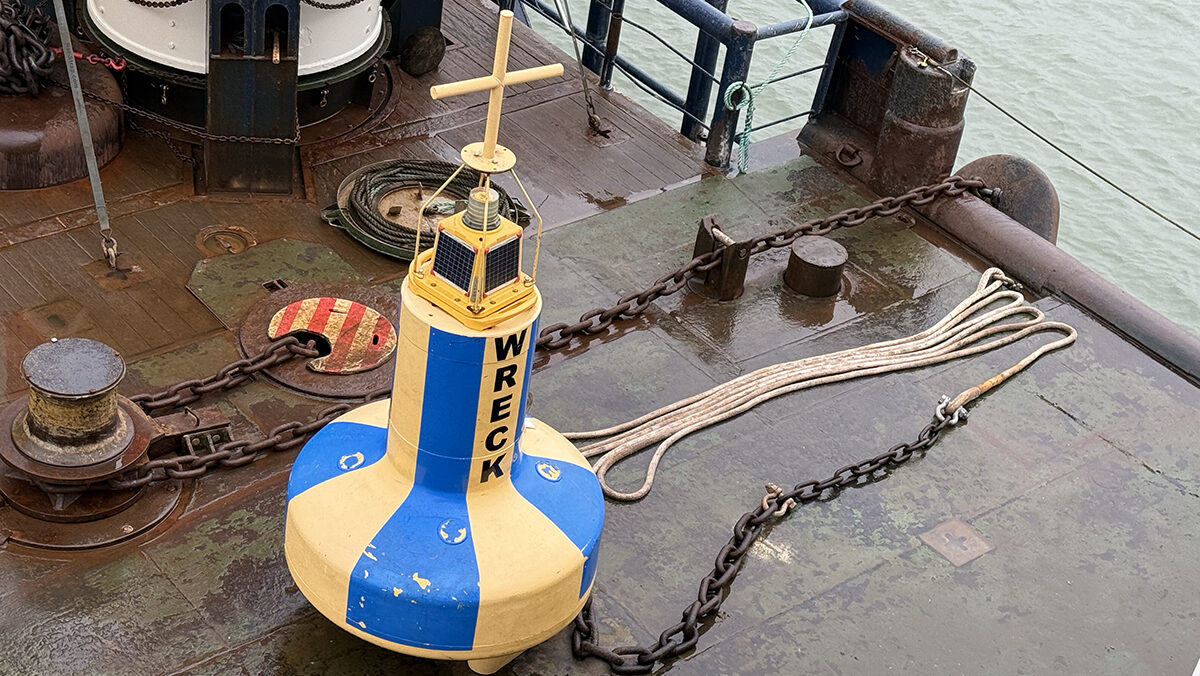
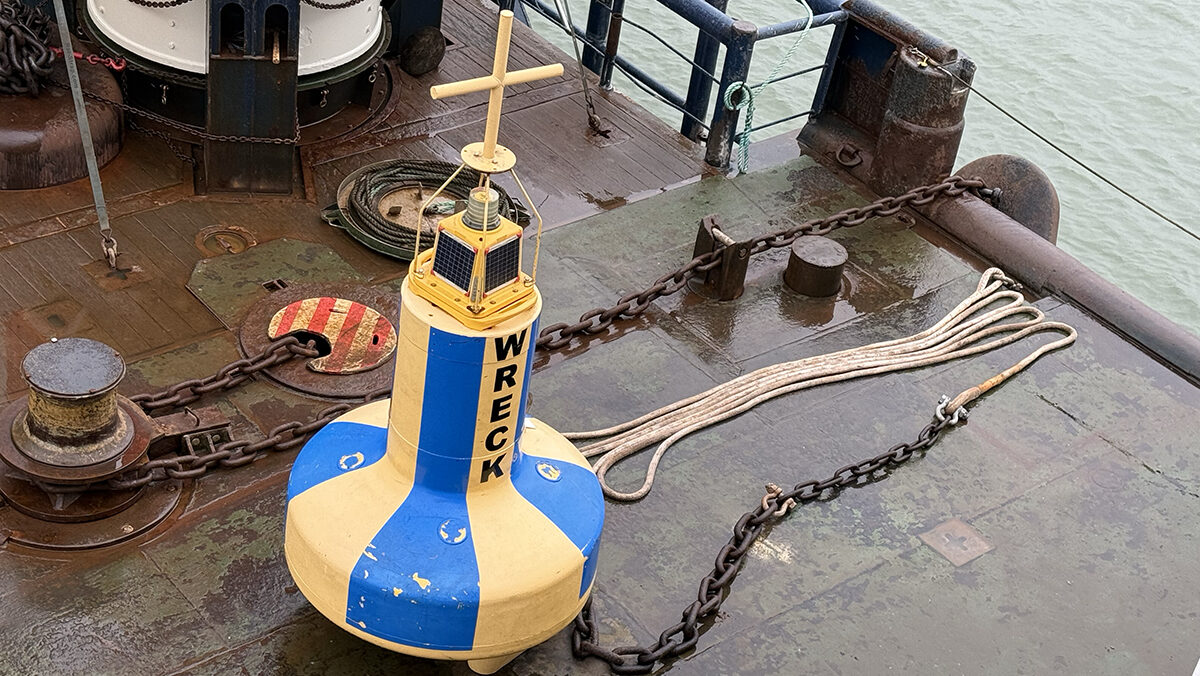
The Royal College of Art (RCA) is launching a design initiative that’s looking to enhance maritime safety in small islands and developing states, and least developed countries.
Currently aids to navigation must conform to global standards set by the International Organisation for Marine Aids to Navigation (IALA). The cost, logistical challenges, resources and lack of local technical knowledge can create a significant barrier for developing regions.
Thus, RCA’s aim is to co-design and develop low cost aids to navigation suitable for sustainable local construction and maintenance. This will involve engaging with local communities to collaboratively design and build solutions – using local expertise in materials.
A £1.1m international partnership
“In many small island developing states and least developed countries, reliable aids to navigation are essential not only for maritime safety, but also for trade, food security, connectivity, and economic opportunity,” says Catherine Mulvihill, CEO of the International Foundation for Aids to Navigation (IFAN).
“When navigation is safer, communities are freer to thrive. By combining design innovation, technical expertise, and local knowledge, this project has the potential to deliver practical and sustainable solutions for vulnerable coastal communities.”
Prototypes will undergo testing and validation to make sure they provide the same high-level reliability as current alternatives.
The work’s being undertaken as a partnership between Hawkshill Consulting, RCA and IALA, and funded by Lloyd’s Register Foundation, and IFAN. It’ll take place over three years and has a combined grant of £1.1m. RCA’s involved in its capacity as a UNESCO Ocean Decade Implementing Partner.
Creating plan for the future
The project’s findings will be documented to provide a roadmap for future implementation.
“In many countries the vast majority of the goods we use are imported by sea. As the oceans around us change it’s crucial to collaborate and develop sustainable co-designed solutions for safer navigation for all. This is a very exciting project that builds on our experience of Design for Safety at sea, New Economic Models for the Ocean and Engineering Design Innovation,” notes Ashley Hall, professor of design innovation in the RCA’s School of Design.
Jan Przydatek, director of technologies at Lloyd’s Register Foundation, says: “Addressing safety gaps makes people safer, and this project will help address those gaps by developing and testing low-cost, co-designed marine aids to navigation, while generating the evidence needed to inform regulators and strengthen uptake . . . the project develops local solutions to achieve global safety standards which is key to making safety accessible for everyone reflecting our mission to engineer a safer world.”

The post Royal College of Art leads £1.1m project to develop low-cost navigation aids appeared first on Marine Industry News.