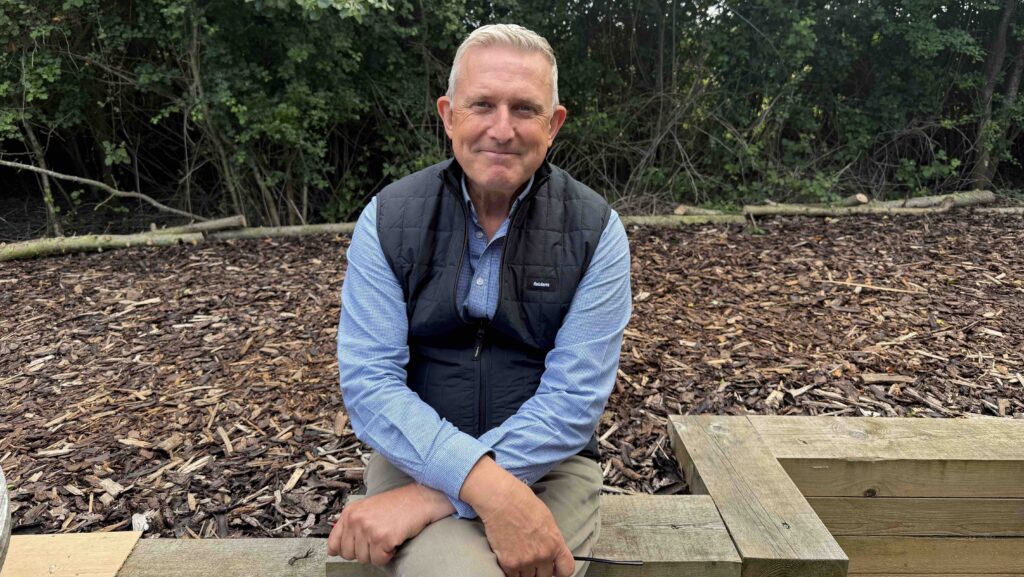
“We’re working with 207 global OEMs at the moment,” explains Steve Moore, global marketing manager at synthetic teak decking maker Flexiteek.
He estimates around 850 OEMs worldwide fit the company’s target market profile. With around 600 OEMs on the firm’s potentials list, Moore sees significant opportunities for further growth.
Distributor network remains key to boatbuilder growth
Currently, the company is working with boatbuilders such as Pardo in Italy (via Teaknotek), Hanse and Saxdor in Northern Europe (Via Flexiteek Denmark), Ribeye and Williams Jet Tenders in the UK (Via Advanced Marine Decking). It’s also continually expanding its work with more additional partnerships to be announced.
Moore attributes much of the company’s OEM success in Northern Europe to long-term relationship building and close collaboration. Those relationships with boatbuilders are primarily managed through its distributor network.
“These relationships are almost like an extension of us,” Moore notes, citing territories like South Africa and Asia. He says distributors are the foundation of successful OEM partnerships – especially as some of them have represented the brand for 15 years plus.
OEM demand varies by region
While Flexiteek sees itself as leading the synthetic decking sector, Moore believes there remains substantial scope to increase market penetration among both OEM and aftermarket customers worldwide.
Currently, the balance of the two varies considerably between territories. OEMs account for as much as 70 to 80 per cent of turnover in some markets, but only 20 to 30 per cent of sales in others.
Having Flexiteek as an available option within OEMs can influence purchasing decisions at the point of sale. Thus, ensuring products are visible within boatbuilder showrooms, dealer networks and boat shows is an important part of Flexiteek’s marketing strategy. Moore points to relationships with builders such as Williams Jet Tenders, where his company’s products are displayed as part of the overall sales package. It’s a partnership he’s keen to replicate.
Aftermarket focuses on sustainability
Within the aftermarket, Moore notes that some countries, like Sweden, are increasingly aftermarket-focused. Similarly, Germany is particularly strong in straightforward decking replacement, with owners looking to change teak or move away from a competitor’s product.
Moore also notes that environmental credentials are increasingly influencing purchasing decisions and are discussed regularly by aftermarket customers.
Sustainability requirements are reshaping supplier relationships
Many OEMs are also placing greater emphasis on sustainability requirements throughout their supply chains.
Beneteau is a well-known example of an OEM driving its sustainability programme by requiring suppliers to demonstrate environmental performance and continuous improvement. Moore says expectations like these now shape areas such as carbon reporting and material selection.
Flexiteek 3 transition reaches final stage
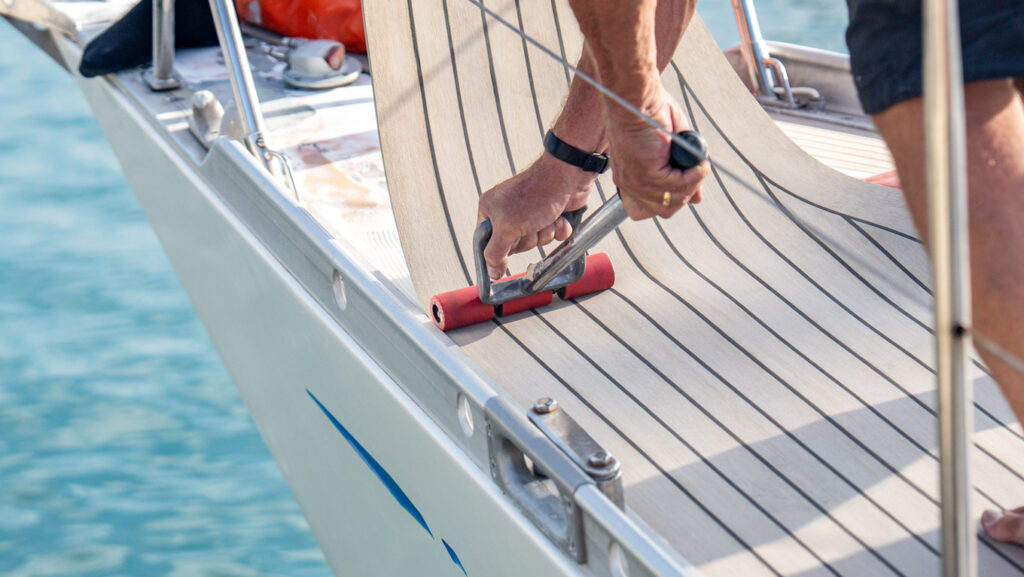
A recent challenge and opportunity for the company in both OEM and aftermarket has been the adoption of Flexiteek 3.
Flexiteek 3 was introduced as the latest product innovation in 2024. It’s been widely supported across the distribution network, says Moore, although some markets adopted the new product more gradually than others. A small number of distributors took a more cautious approach, due to the requirements of major OEM customers already using Flexiteek 2G.
Moore is sanguine. “You have to prove that it’s as good as the last product that you manufactured,” he says. Convincing major OEMs to switch to a new product generation requires extensive testing, communication and validation. Boatbuilders that have already established confidence in an existing product are naturally cautious about changing specifications.
But the company has now effectively completed the transition from Flexiteek 2G to Flexiteek 3, with the former no longer being manufactured. A limited quantity of Flexiteek 2G stock is being retained to support continuity requirements, repairs and small replacement projects.
How Flexiteek’s manufacturing and fabrication model works
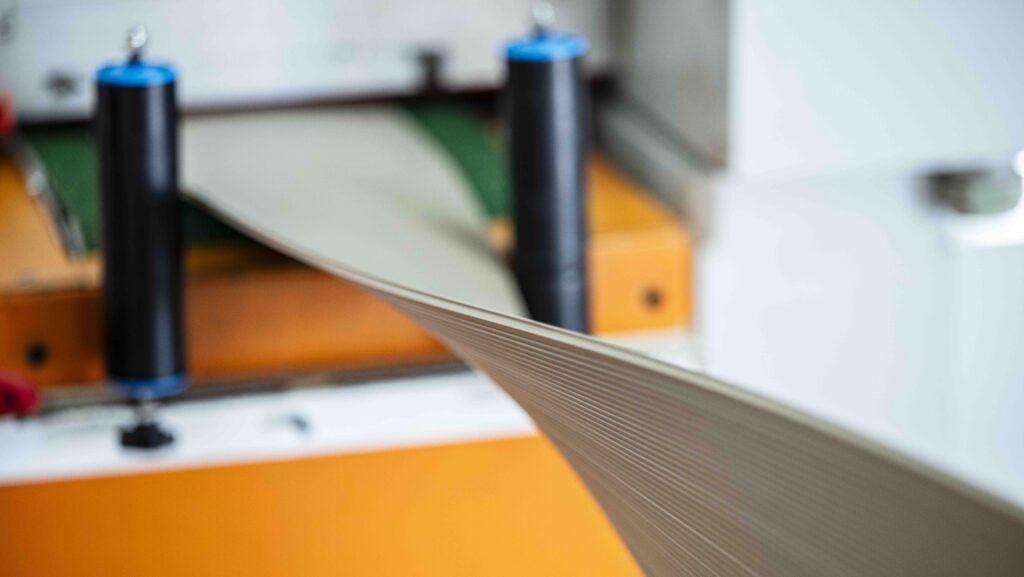
Flexiteek manufactures synthetic decking centrally in the UK, fabricates regionally through distributors and dedicated fabrication hubs, then installs locally through OEMs and dealer networks (the latter also provide aftersales support and warranty assistance).
The company produces the extruded decking profiles at its Essex facility, where raw materials are blended, extruded, cooled, textured and quality-checked before being distributed worldwide. Manufacturing is centralised to maintain product consistency, quality control and colour accuracy across the range.
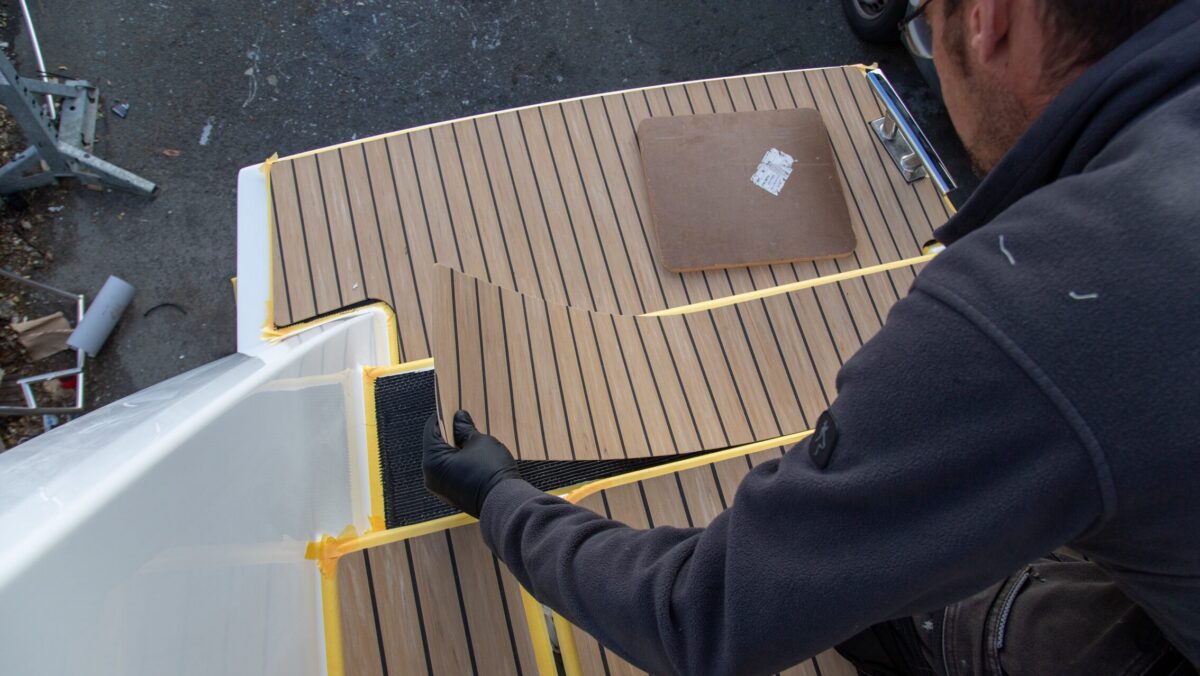
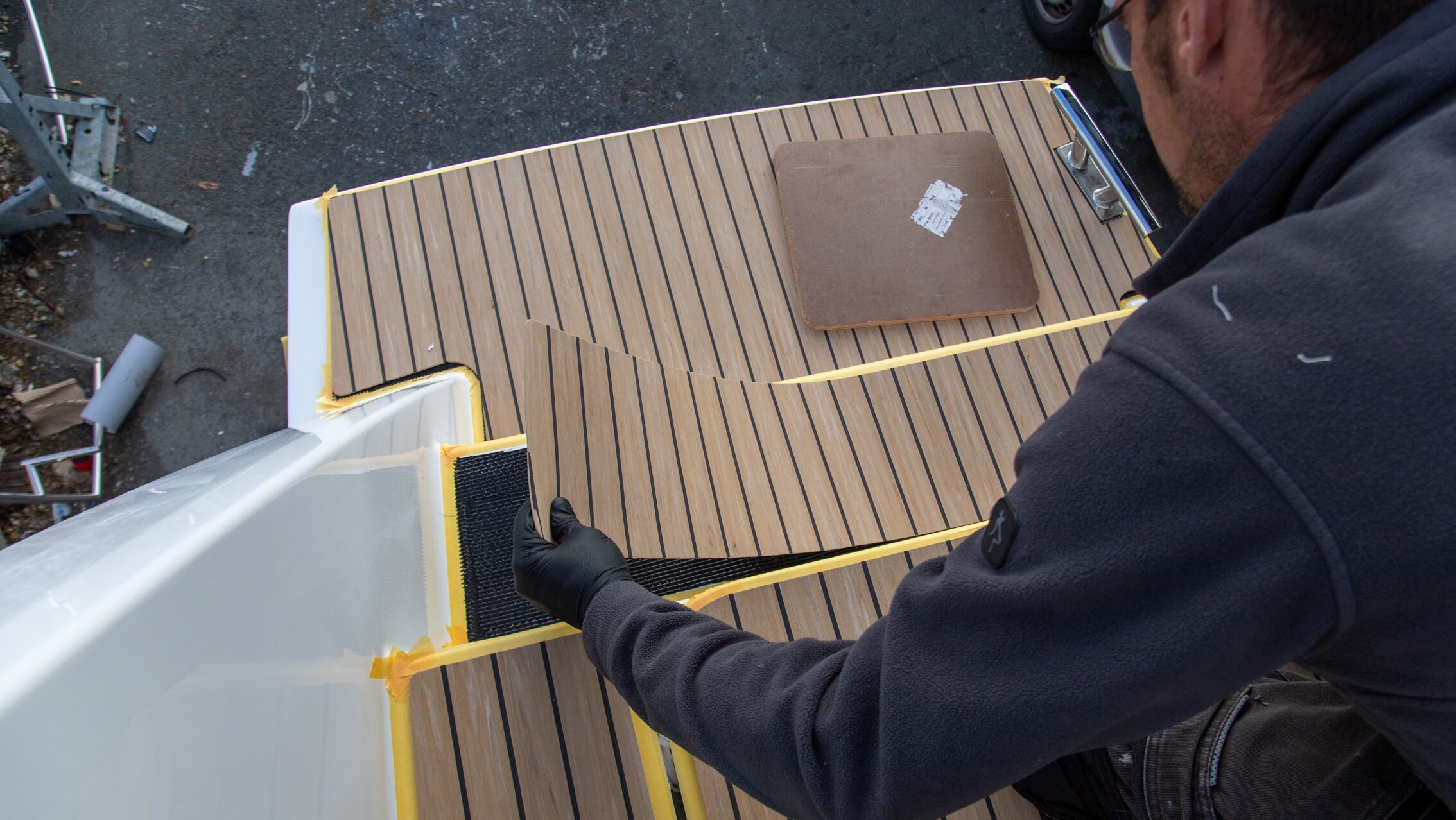
Once produced, the material is supplied to a network of distributors and fabrication centres. These partners convert the decking profiles into finished deck panels using templates and CNC cutting technology before installation on boats.
Currently, the principal fabrication operations are located in Sweden, Denmark, Poland and the United States, although distributors around the world also fabricate panels for local markets.
The model allows Flexiteek to retain control of manufacturing while enabling fabrication and installation to take place close to customers and boatbuilders. This structure supports both OEM production programmes and aftermarket installations, while reducing lead times and providing local technical support.
The post Flexiteek eyeing hundreds of OEM opportunities that remain untapped appeared first on Marine Industry News.