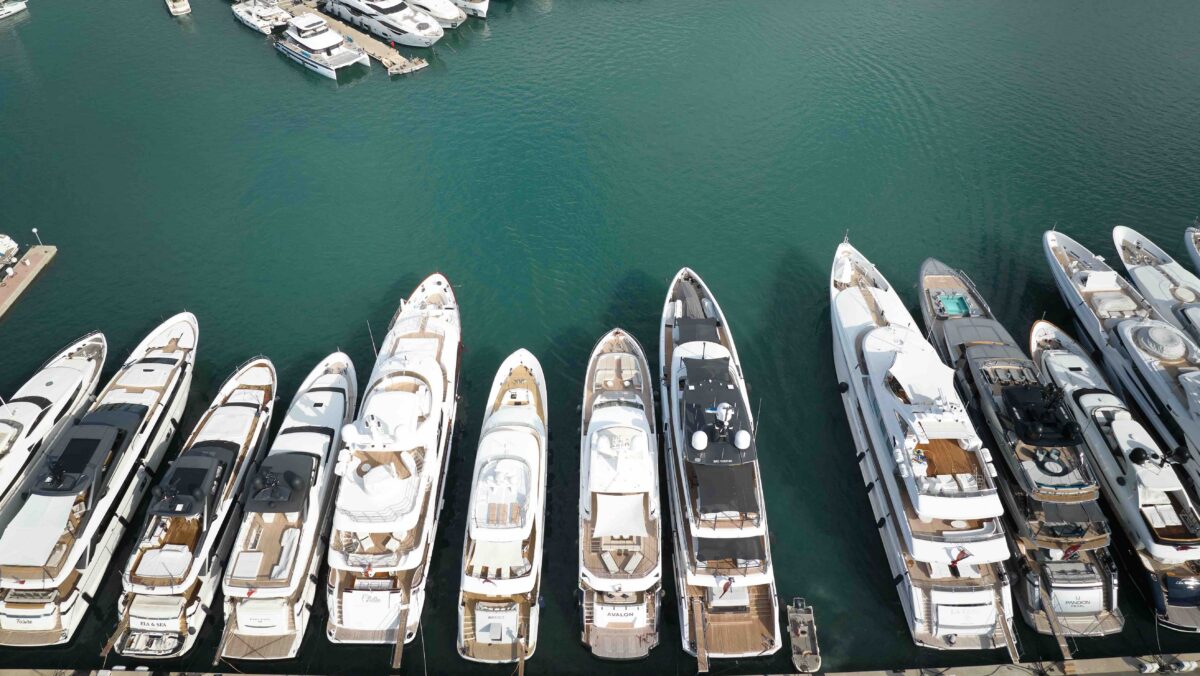
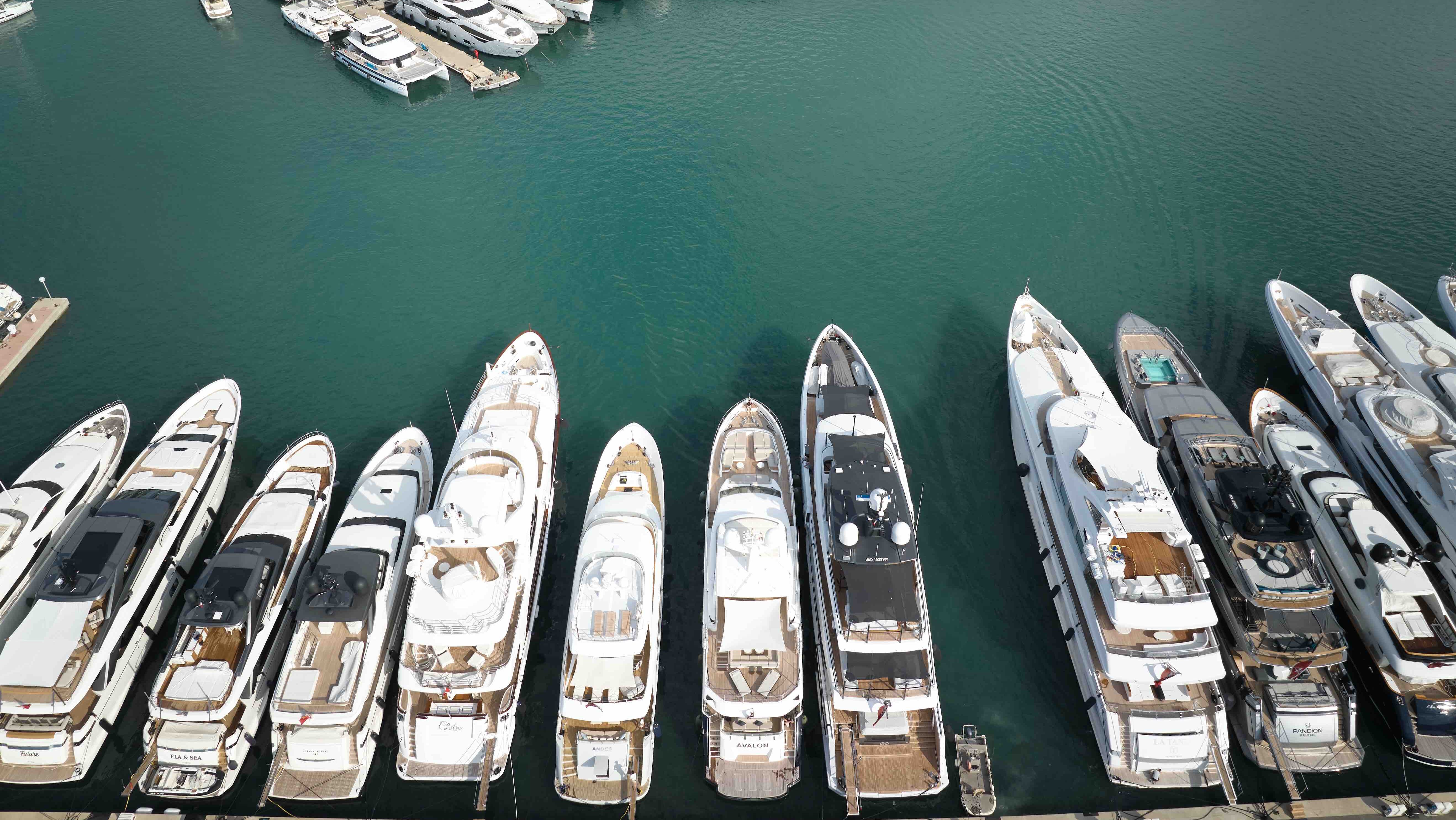
A surge in first-time buyers is rapidly reshaping the global yachting landscape, challenging long-held assumptions about how owners enter and engage with the sector. According to Dean Smith, chief commercial officer at D-Marin, today’s newcomers are bypassing the traditional learning curve entirely – stepping straight into large yachts and expecting a seamless, lifestyle-led experience from day one.
From progression to instant lifestyle
Twenty years ago, boating was a world defined by heritage, hands‑on skill, and a slow climb through vessel sizes. Owners began with smaller craft and worked their way upward; they had to learn the intricacies of engines, electronics, and maintenance along the journey. Marinas were reliable, practical, functional hubs, designed for seasoned mariners who wanted a safe berth and little else. Today, that world looks almost unrecognisable.
Younger boat buyers, bigger yachts
In the last five years, an unprecedented wave of newcomers has reshaped the sector, according to Smith.
He calculates that first‑time buyers now make up 31 per cent of all new boat purchases and 37 per cent of pre‑owned transactions, fuelling a 35 per cent rise in first‑time ownership overall. But it isn’t just the volume of new entrants that’s significant; it’s how differently they behave.
“Boating used to be about progression through experience,” says Smith. “Today, it’s about immediate access to a lifestyle.
“We’re seeing owners step straight into 40, 50 or even 70-metre yachts as their first acquisition. They’re not buying into boating as a technical pursuit, they’re investing in a fully formed lifestyle.”
The average superyacht owner has dropped from around 65 to under 55 in just one decade, he posits. For this cohort, entry at the superyacht level isn’t about tradition or seamanship. It’s about acquiring a turnkey asset that functions simultaneously as vacation home, entertainment venue, and personal brand statement.
Hospitality is now the baseline
This generational shift is forcing a fundamental redefinition of what a marina represents.
“The marina is no longer just infrastructure,” says Smith. “It’s an integral part of the ownership experience.”
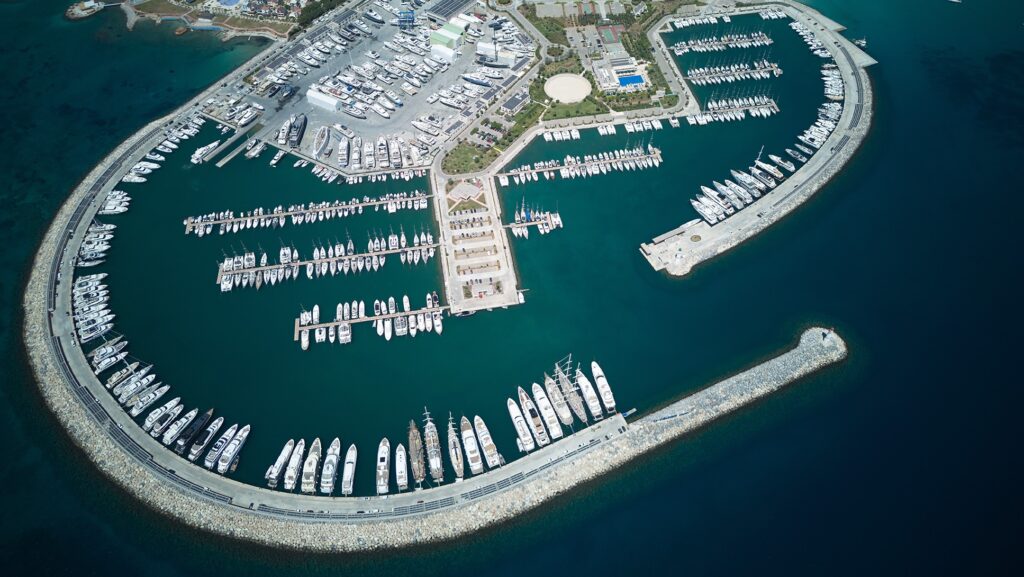
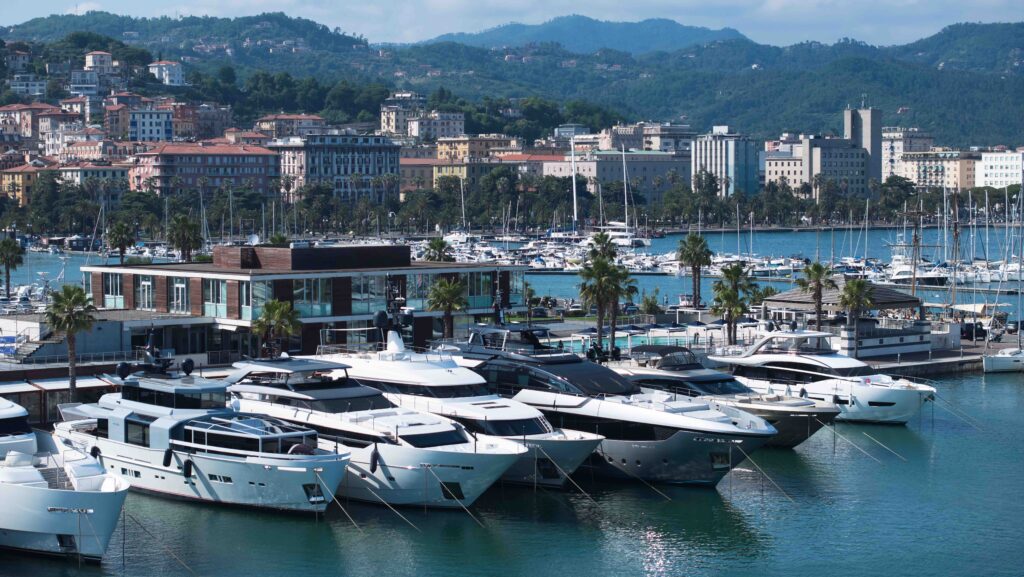
D-Marin’s provides more than 14,000 berths, including over 1,000 dedicated to superyachts. Demand for larger berths has been one of the fastest-growing segments within the portfolio. Then there’s also the demand for hospitality-led environments with curated events, premium retail, concierge-level service, and social spaces with Smith sating that five-star resort standards are now the baseline of owners’ expectations.
Digital expectations reshape marina operations
Digital fluency has become equally non-negotiable. “Ten years ago, certain administrative delays were accepted as part of marina life,” Smith notes. “Today, they’re a reason to move elsewhere. Speed and simplicity matter.”
He believes today’s ownership demographic manages everything through their phones, and they expect their marina to meet them there. Seemingly D‑Marin’s app – which enables customers to manage berth bookings and renewals and more – has experienced growth adoption across the portfolio.
With the global yacht market valued at more than $10 billion and expanding rapidly as new wealth enters the sector, the pressure on marina operators to evolve has never been greater, he says.
Although, since 2023, D‑Marin has added ten new marinas Smith says “Growth isn’t simply about adding locations. It’s about building an interconnected network that delivers consistent standards, whether an owner is in the Adriatic, the Balearics, or the Eastern Mediterranean, that consistency is what builds trust – and trust is what builds loyalty.”
The marina model of the future
The marinas that will define the next decade are those willing to embrace a fundamentally new model, one that integrates luxury hospitality, digital innovation, sustainability, and the heavy-duty infrastructure demanded by the world’s largest yachts. Those that treat these shifts as optional upgrades risk losing a customer base that has already raised the bar, he concludes.
For marina operators, the direction of travel is unmistakable, combining infrastructure, hospitality and digital ease will define the next phase of growth, while those that hesitate risk being left behind by a market that is evolving faster than ever.

The post Forget seamanship, today’s yacht owners want lifestyle first, says D-Marin appeared first on Marine Industry News.