Smaller builders may not be able to compete on scale, but they can compete on identity, says Marcello Conti, head of PR at Sculati & Partners, an international yachting communications firm based in Milan, and as the market shifts, differentiation is essential.
For companies still unsure where PR sits within the communications mix, Conti says clear positioning – whether around a niche, distinctive design, specific technologies, or a defined lifestyle proposition – can become a major strength. PR’s a strategic lever to build reputation, credibility, and a recognisable brand image.
Why visibility matters more than ever

In a market dominated by large groups, the challenge for smaller shipyards is securing a clear and specific position to remain visible, relevant, and competitive over time.
“Being good isn’t enough if nobody knows you,” continues Conti (pictured).
“Italian boatbuilding is admired everywhere, but craftsmanship on its own doesn’t automatically translate into reputation or business. What really makes the difference is the ability to tell the story properly, in a way that’s coherent with the brand, the positioning, and the market.”
PR as strategy, not noise
Conti believes the companies that benefit most from PR are those that don’t treat it as a way to “make noise” but as a strategic tool – regardless of company or product size.
“PR works best when it’s part of a wider communication system… and when the company has a clear idea of who it is and where it wants to go.”
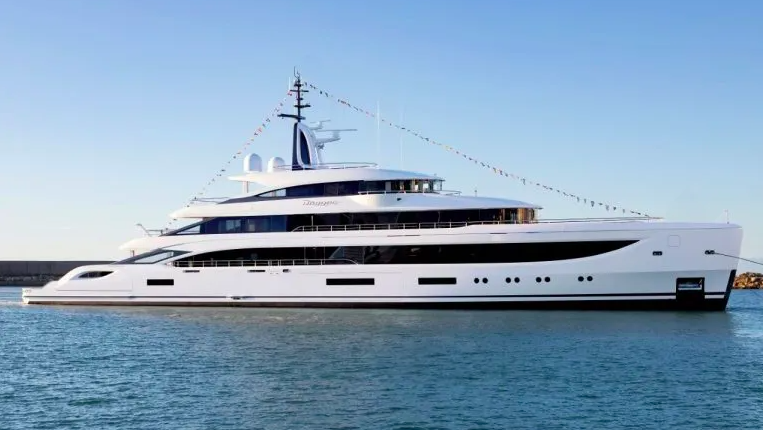
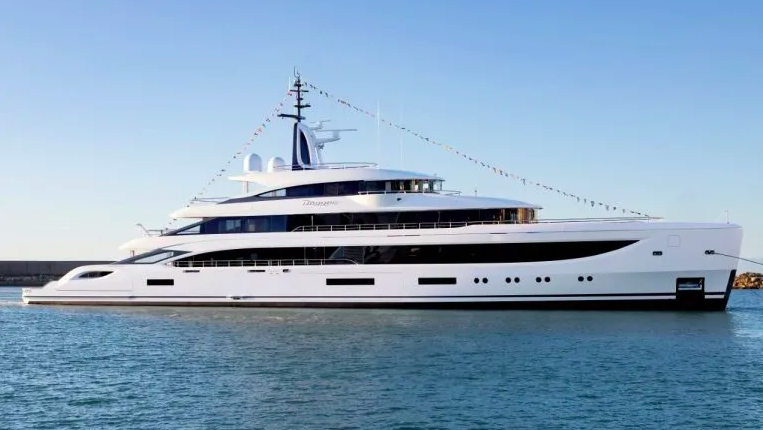
He is particularly proud of Sculati’s association with Omikron Yachts. When the collaboration began, the yard had a strong product but limited visibility beyond a small circle. The quality and vision were already in place, but awareness was lacking.
“Through a structured and well received PR strategy, we give our contribution to position the brand internationally, increase awareness, and gain real recognition. They started receiving nominations and eventually won important industry awards. That’s a perfect example of how PR doesn’t just create noise but can genuinely change how a brand is perceived and accelerate its growth.”
Where physical boat shows still win
Conti is clear that boat shows remain a central part of the communications mix, offering one of the few opportunities for clients and media to physically see, experience, and compare products within a short time frame.
“We know they represent a significant investment for shipyards and absorb a large share of marketing budgets, but their value is still hard to replace. During covid, many believed that digital boat shows could become a real alternative to physical events.
“In reality, that success was mainly due to the lack of other options. Once in-person events returned, it became clear that physical boat shows are irreplaceable. Especially in the large-yacht segment, the market is global rather than local. As a result, the key touchpoints are the major international boat shows, not only the Italian ones.”
Why social media strategy in yachting is becoming more complex

The rise of social media has made it more complex to manage media strategies, says Caterina Cappiello, head of digital at Esprit – which is described as the ‘digital soul’ of Sculati & Partners. It was launched in 2025 to provide dedicated digital services to any company working in the yachting industry.
“Today there are many more channels to consider, each with its own language, rhythm and rules. The story is still the same, but you have to tell it in different ways, on different platforms, and you have to be prepared, since each channel requires its own set of skills, strategy and consistency, otherwise it quickly becomes ineffective.”
Influencers with real industry expertise
Cappiello is a fan of using influencers to collaborate if they make sense strategically.
“I have to say that in the yachting industry, contrary to other business, influencers have strong technical skills and knowledge, together with a deep knowledge of the industry, which is why they are held in high regards by their followers and shipyards as well.
“Rarely, if never, I’ve met a ‘gift-chaser’ in this line of business.
“What really matters is alignment: values, positioning and target audience. Cross-marketing works when it’s genuinely win-win and when both brands speak to the same people in a coherent way. If that alignment isn’t there, collaboration can easily do more harm than good.”
Elements of this article were originally published in MIN‘s Seaquip special edition.
The post How clear positioning helps shipyards stand out appeared first on Marine Industry News.