
Neil Jacobs, the atmospheric scientist nominated by President Donald Trump to lead the National Oceanic and Atmospheric Administration (NOAA), has announced a series of regulatory actions, including a review of longstanding vessel speed regulations.
The proposals, outlined during the recent Miami Boat Show, also include an address of state-led fisheries management and proposed changes to recreational fishing data systems.
Jacobs has a PhD in atmospheric science and previously served as NOAA’s acting administrator during Trump’s first term. But he is perhaps best known for his involvement in the ‘Sharpiegate’ incident. In 2019, President Trump said, incorrectly, that Alabama was likely to be hit by Hurricane Dorian. When the claim was challenged, Trump held a press conference and showed journalists a forecast map that appeared to have been altered with a Sharpie to include Alabama in the hurricane’s predicted path. Not long after, NOAA issued a statement backing up the president’s position. Hurricane Dorian ultimately did not impact Alabama.
A subsequent report concluded that agency leaders, including Jacobs, had violated their own scientific integrity policy during the incident.
Controversial vessel speed rule
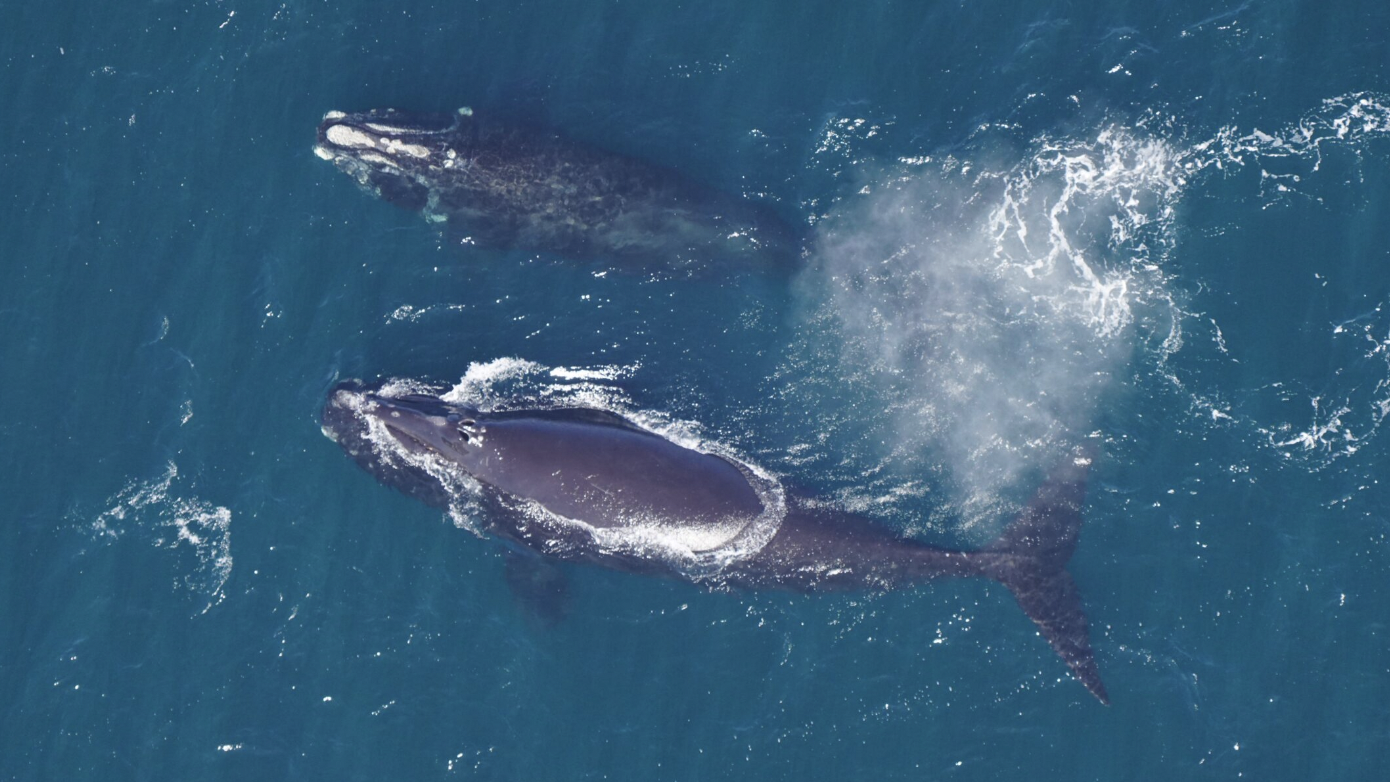
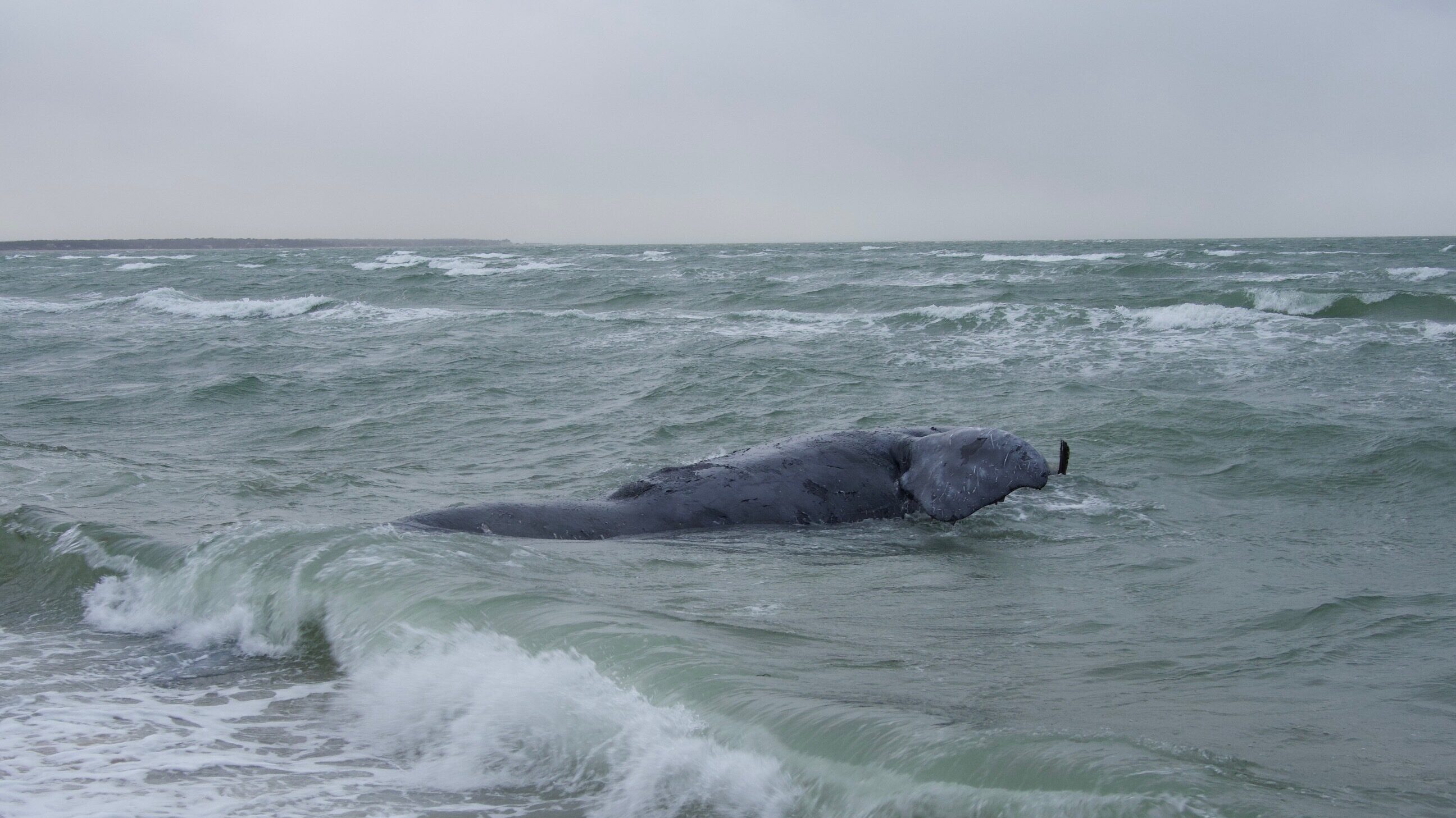
North Atlantic right whales are slow, swimming around 6 miles per hour, usually near the water’s surface. They are also dark in colour and lack a dorsal fin, making them very difficult to spot from a boat. The North Atlantic right whale is at risk of extinction, with only around 370 whales remaining, including about 70 reproductively active females.
In 2008, NOAA finalised a speed rule, establishing a 10-knot speed limit for most vessels 65 feet and longer in certain locations along the US East Coast to reduce “the likelihood of deaths and serious injuries to endangered North Atlantic right whales that result from collisions with vessels.”
In 2022, NOAA proposed expanding the speed rule to apply to all vessels over 35 feet, up to 90 miles offshore from Florida to Massachusetts, and for seven months of the year. Ultimately, the Biden administration withdrew its proposed rule in its final days in January 2025. The news was met with elation by lobbyists in the marine industry, who argued the rules were flawed and were impacting boaters disproportionately, and met with dismay by marine conservation activists.
NMMA, the trade association representing US boatbuilders, submitted comments late last year, urging NOAA to revisit the original 2008 rule. The association is urging the NOAA to partner with the recreational marine industry to invest in technologies for monitoring and detecting the North Atlantic right whale, rather than relying on what it calls “outdated speed limits”.
NOAA to reopen 2008 vessel speed ruling
In Jacob’s latest comments made at the Miami Boat Show, the NOAA has confirmed it will reopen the vessel speed rule finalised in 2008 through an Advance Notice of Proposed Rulemaking. According to NOAA, the process will seek public comment on both the existing rule and potential future direction. The agency says that updated data and information, including private-sector technology proposals, may be submitted for consideration.
NOAA also stated that Exempted Fishing Permits submitted by South Atlantic states have met agency requirements and have been published in the Federal Register, initiating a public comment period. Publication begins the formal evaluation process and is positioned as a step towards potential final approval.
The post ‘Sharpiegate’ scientist to lead review into US vessel speed rules appeared first on Marine Industry News.