

A new, peer-reviewed study has been conducted by University College London (UCL) to examine underwater radiated noise across a range of operating speeds, comparing electric and conventional boats.
The study, titled ‘A comparative study of underwater radiated noise from electric and conventional boats’, is published in the Journal of the Acoustical Society of America (JASA). It was conducted by UCL’s Department of Mechanical Engineering in collaboration with RAD, a UK-based electric marine propulsion company.
The authors set out to quantify the noise made by electric vessels and scientifically test the commonly held assumption that they are quieter than their combustion counterparts.
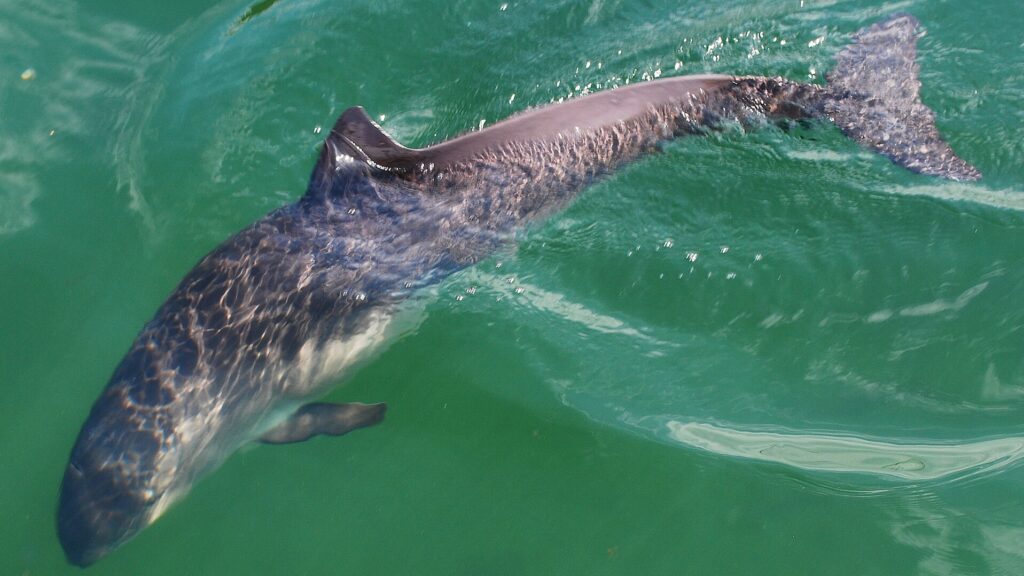
While their engines are generally quieter to human ears, for example, electric vessels can produce significant underwater noise at higher frequencies, making them increasingly audible to species with good high-frequency hearing capabilities, including porpoises.
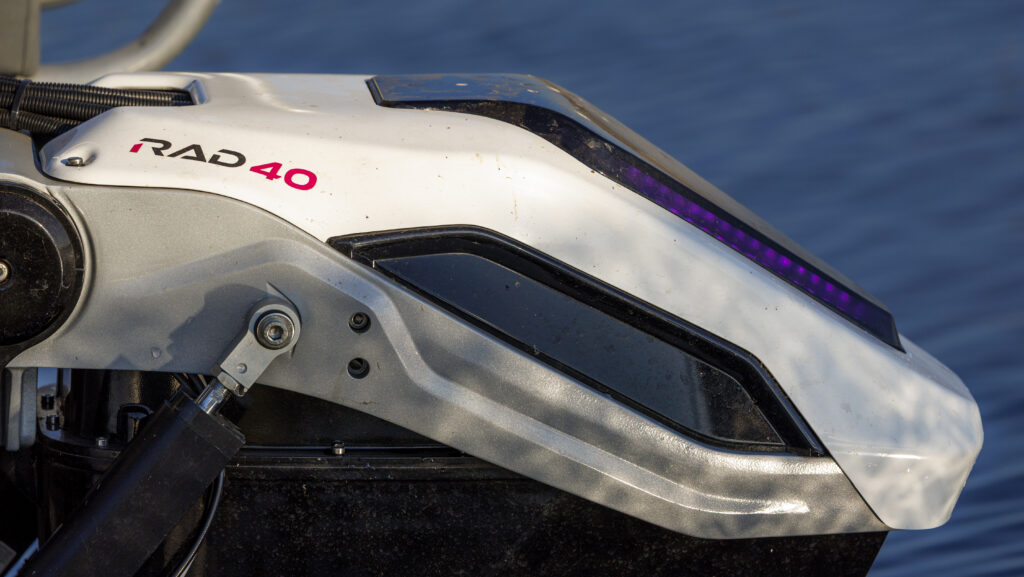
The project began with an initial trial on the River Hamble in Hampshire, UK, where UCL’s team, led by Dr Tom Smith, compared a RAD 40 electric outboard with an internal combustion outboard of equivalent power. RAD supplied two similar vessels for the test.
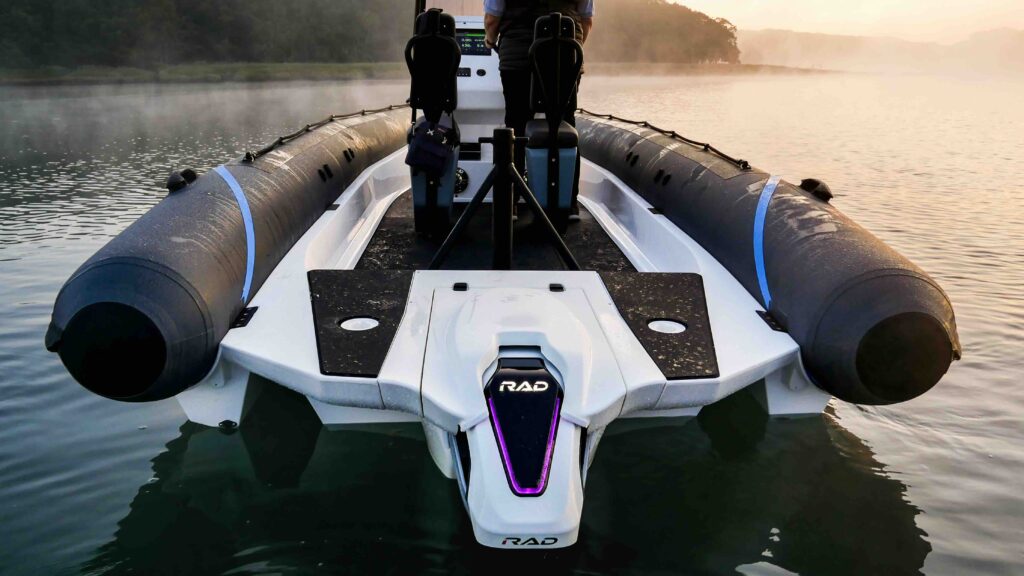
Following initial measurements indicating lower electrical system noise across several frequency ranges, a second trial was conducted in a controlled lake environment near Shrewsbury. Two identical boats were tested over several days, one fitted with a RAD 40 and the other with a combustion engine of the same output.
Data collection included acoustic measurements from two hydrophones, high-speed underwater video and airborne noise readings. Tests were conducted on the boats at speeds ranging from four to 20 knots.
“Small vessels are often overlooked when it comes to underwater noise, but they can be really loud. They also operate in many sensitive environments, and so reducing this noise is critical,” says Dr Smith.
“The results we obtained from the RAD drive were remarkable, particularly at low speed. It was also good to see that the high-frequency electrical noise was much smaller than for some other systems, showing that this is a problem that can be fixed. Overall, it’s a really positive result that will hopefully encourage greater uptake of this technology, particularly for operators in environmentally sensitive waters.”
The study reports a reduction of 43 dB at 4 knots when comparing the electric vessel with the combustion engine vessel. Lower broadband noise levels were also recorded for the electric system across the full speed range tested.
The findings attribute differences in noise output to the absence of combustion processes and associated exhaust discharge in electric propulsion systems.
The authors found that high-frequency tonal noise from motor control was measurable on the RAD-powered electric boat but was lower than in other published studies.
The research notes that electric propulsion, therefore, offers advantages for species sensitive to low-frequency noise. For species with stronger high-frequency hearing capabilities, such as odontocete cetaceans and pinnipeds, managing cavitation noise at higher speeds remains an important consideration for both propulsion types.

The authors concluded that high-frequency noise can be reduced significantly on electric vessels through careful design of the motor and power electronics.
Further observations were conducted in Namibia on the Chobe River, where Pangolin Photo Safaris uses vessels fitted with RAD propulsion systems. UCL conducted comparative measurements between these vessels and other operators’ boats to assess underwater noise in operational conditions.
Peter Byford, chief technology officer at RAD, says: “We have always believed that how an electric drive is engineered matters enormously, not just for performance, but for its true environmental benefit. This research validates that belief with rigorous science. We are incredibly proud to support UCL with the study and what it means for the future of quieter, more sustainable marine operations worldwide.”
The findings provide data relevant to marine operations and equipment design, particularly in areas where underwater noise is a consideration.
In a statement, RAD says: “The study provides valuable insights for policymakers, conservationists, and the marine industry, reinforcing the importance of quieter technologies in preserving aquatic ecosystems.”
The full research paper can be read online.
The post UCL study asks: Do electric boats really make less noise? appeared first on Marine Industry News.