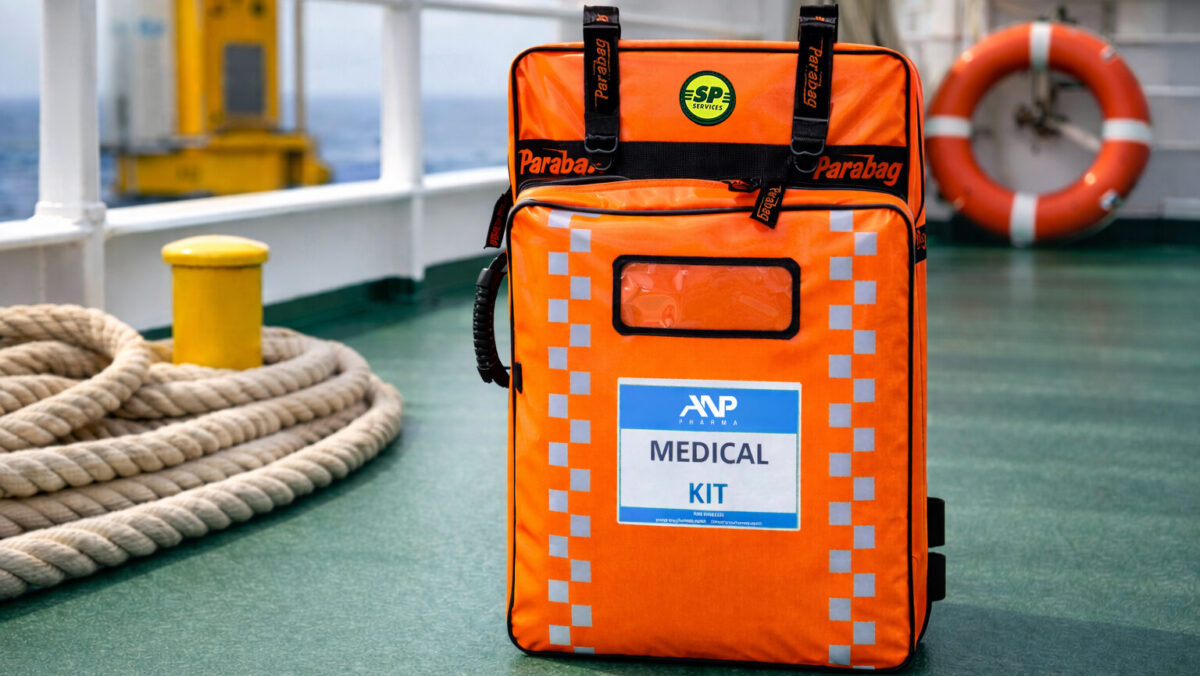
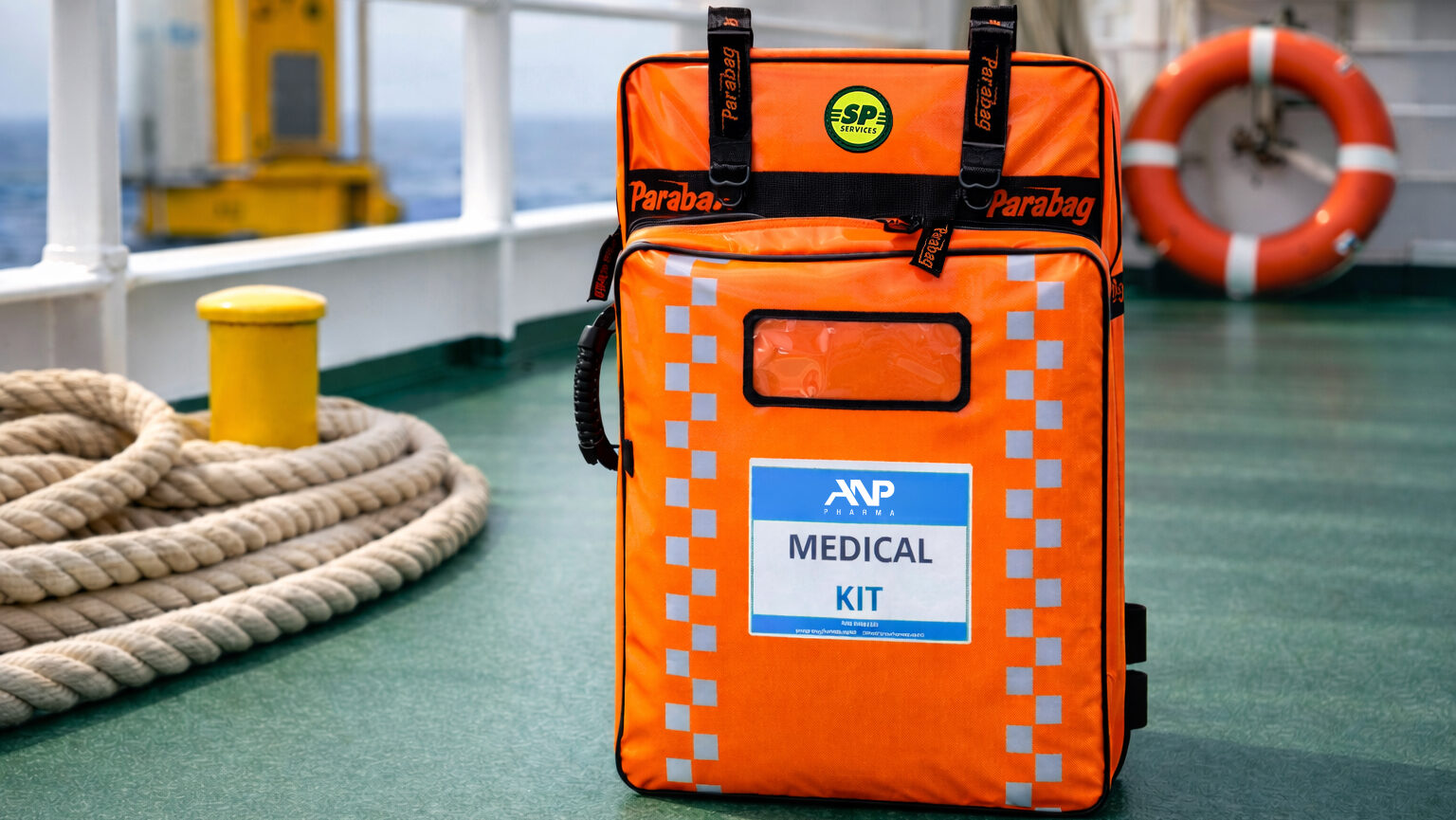
Medical compliance is rarely front of mind until something goes wrong. Yet for vessel operators, failing to meet maritime medical requirements can trigger consequences far beyond a missing item in a medical chest – including legal action, reputational damage and, in extreme cases, imprisonment. As regulations tighten and scrutiny increases, understanding what compliance really means has never been more important.
“Failure to comply with medical regulations carries significant consequences,” says Ella Isiraojie, business development manager at ANP Pharma (part of Wescom Group). “Beyond financial penalties and reputational damage, in the most serious cases, non-compliance can result in legal actions such as criminal prosecution and imprisonment of responsible individuals.”
Now the medical supply company says it is helping mariners stay on the right side of medical compliance through its in-house consultancy service.
Complex rules across flags and vessel types
Compliance covers almost every aspect of living and working on board a vessel. But when it comes to medical compliance, the requirements are complex and often misunderstood.
“Medical compliance is frequently overlooked due to the complexity of varying regulations and requirements across Flag States, the differing knowledge base and training of crew on board and the absence of medical personnel on many private and commercial vessels,” says Isiraojie.
ANP Pharma’s consultative role is to fully understand the detailed legislation that applies to each type of vessel, enabling the worldwide medical equipment supplier to ensure ship operators always remain medically compliant.

Yachts, cruise ships and commercial vessels compared
The work includes ensuring that each vessel has on board the correct medical stores for its type, usage, flag state, and route or itinerary.
“Yachts and leisure vessels often exist in a grey area when it comes to medical compliance, as this depends on several factors, including crew size and sailing distance,” says Isiraojie. “Yachts generally follow simplified yacht codes developed by their flag states, which adapt IMO standards to suit recreational or limited charter use. While commercial vessels must fully comply with all applicable IMO conventions and undergo stricter flag state inspections and certification under merchant shipping regulations.
“At ANP, we work with the management team or owner to educate them on the importance of a structured and compliant medical response on board, which helps to minimise risk and prevent situations arising that could cause unnecessary diversions or poor patient outcomes.”
The risks of non-compliance
Cruise ships must comply with Flag State regulations and benchmark against the American College of Emergency Physicians (ACEP) Cruise Ship Healthcare Guidelines. They are required to carry advanced diagnostic and lifesaving equipment, maintain a larger onboard pharmacy and ensure the presence of medically trained personnel to safeguard life at sea. Depending on the vessel, the medical team may range from a single doctor to a full complement of doctors, nurses and paramedics, all of whom must operate within their scope of practice. As itineraries vary, they must also prepare and stock their medical supplies accordingly.
Commercial vessels, such as tankers and cargo vessels, are governed by IMO and Flag State requirements. As they carry a much smaller crew, often only 18-30 people, there is no requirement to have a registered medical professional onboard. In this situation, the responsibility falls to the master of the vessel, who can then designate responsibility to another member of the crew who holds the requisite STCW qualifications in Medical Care to manage the inventory.
More details about the work that ANP Pharma undertakes can be found on its website.
Supporting operators through consultancy
When vessels carry hazardous cargo, they are also subject to International Maritime Dangerous Goods Code regulations (IMDG), requiring a specialist first aid kit to deal with first aid emergencies associated with dangerous or hazardous cargo.
Isiraojie continues: “Every commercially operating vessel is advised to maintain a compliant medical chest and a medical chest certificate. This annual certification confirms that the onboard medical stores comply with IMO and ILO requirements established under the Maritime Labour Convention (MLC, 2006), as well as the flag state’s regulations, ensuring full alignment with international maritime standards. The process involves an inventory audit by competent personnel and a certification of compliance with international and Flag State standards. Ongoing responsibility is with the ship’s medical officer (or Master’s delegate) to maintain compliance through checks and records.”
Medical compliance at sea is not optional – it is both a legal obligation and a critical safeguard for everyone on board. “While cruise ships and commercial vessels face different operational challenges, the principle remains the same: maintaining compliance protects lives, reputations and livelihoods.”

The post Why medical compliance at sea can’t be ignored – and how to make sure it’s on track appeared first on Marine Industry News.