British Marine, the trade association for the UK leisure, superyacht and small commercial marine industry, holds its 29th annual general meeting today (16 July 2026) at 3pm.
Ahead of the AGM, the directors have released the group strategic report and consolidated financial statements of British Marine Federation and its subsidiaries for the 12-month period ended 31 December 2025.
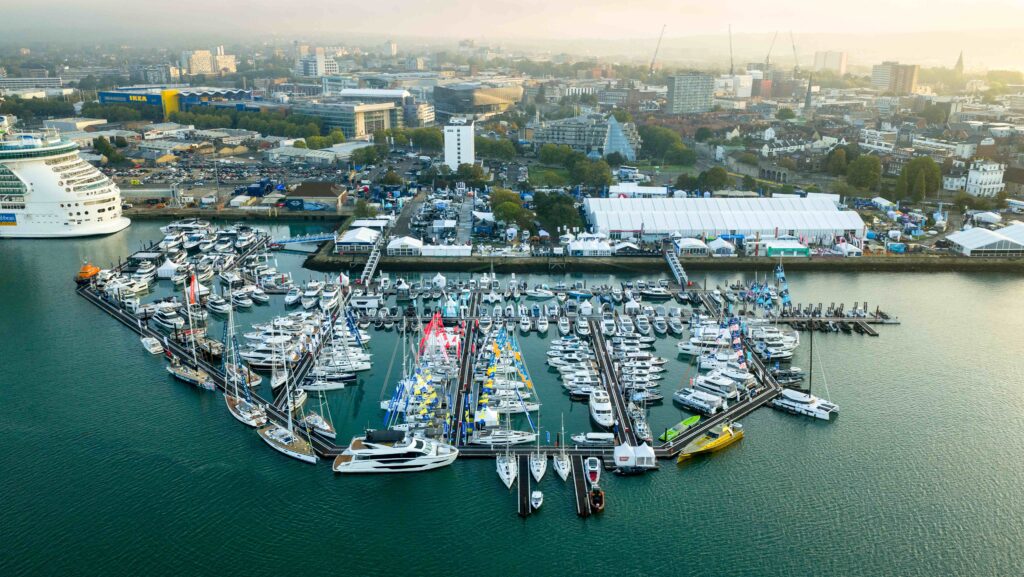
The report reveals a mixed financial picture for the federation: turnover in the period was reduced by £524,513 compared to 2024, largely due to a reduction in marina-generated turnover at the 2025 Southampton International Boat Show.
However, the organisation returned to profit in 2025: profit for the 2025 financial year was £50,309, compared to a loss of £359,025 in 2024. This return to profit was driven primarily by a significant reduction in operating costs, down from £8.06m in 2024 to £7.03m in 2025.
Overall net assets for the group increased by 10.1 per cent, compared to a reduction of 41.9 per cent in 2024, from £497,505 reported at the last financial year end to £547,814 reported at this financial year end.
Notably, the federation’s membership currently stands at around 1,300, down from around 1,500 in 2019. This has been highlighted by the directors as a point of principal risk for the organisation, which is actively trying to recruit new members.
British Marine continues to operate with negative working capital and relies on financing and cash flow management. Current liabilities exceed current assets by £2.78m, although this improved slightly from £2.9m in 2024.
The average number of British Marine employees during the year was 29, down from 36 in 2024.

Reducing overdraft reliance a ‘key priority’
An area of concern amid the figures is how British Marine continues to rely heavily on its overdraft to support day-to-day operations. At 31 December 2025, bank loans and overdrafts totalled £1.89m, while the group reported net current liabilities of £2.78m, meaning current liabilities substantially exceeded current assets.
Although the group returned to a modest profit of £50,309 and improved its net assets to £547,814 in 2025, its interest costs remained high at £146,375 – almost three times its annual surplus.
In their annual report, the directors state that the organisation has sufficient cash resources to continue trading, but only on the assumption that its overdraft facility is renewed when it expires in August 2026. The external auditors also identify this as a “material uncertainty” relating to going concern, noting that, without renewal of the overdraft at broadly its current level, British Marine would need to secure alternative financing.
This indicates that, while the organisation’s financial performance has improved, maintaining adequate working capital remains dependent on continued support from its bank. The reliance on the overdraft also leaves the organisation at risk from changing interest rates, which increase the cost of borrowing.
Stanner: ‘No reason’ for concern
“The ‘material uncertainty’ paragraph included within our accounts relates to the annual renewal of our overdraft facility, which takes place in August each year,” CEO Earle Stanner tells MIN. “This disclosure has been included in our accounts since the Covid-19 pandemic and reflects the standard accounting requirement to acknowledge that, were the overdraft facility not to be renewed and no alternative funding arranged, this would have a material impact on working capital.
“British Marine has a long-standing and positive relationship with its banking partner. We remain in regular dialogue and continue to have a constructive and supportive banking relationship. We have no reason to believe the facility will not continue to be available in line with previous years.”
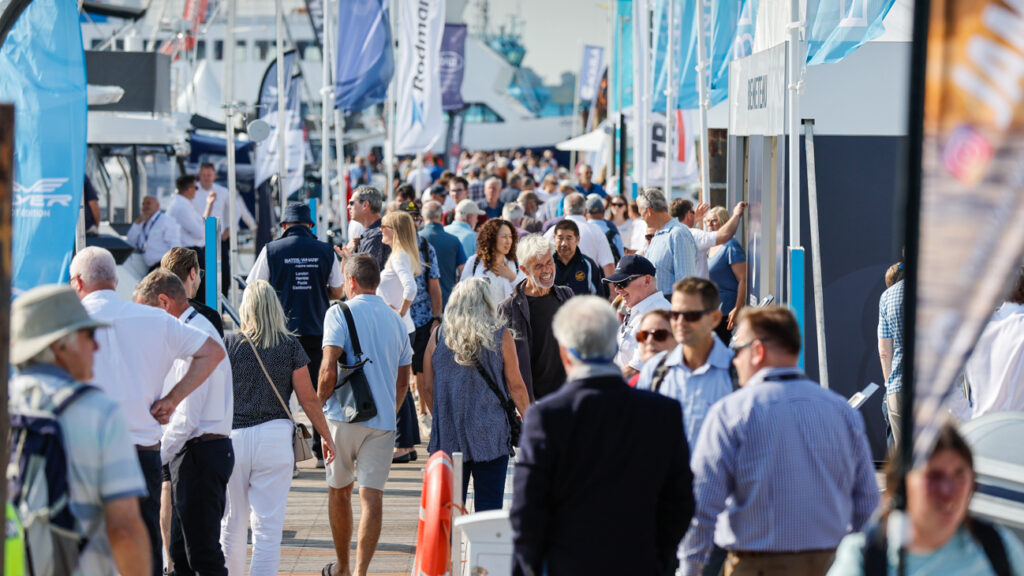
Stanner says that British Marine’s reliance on the overdraft increased during the pandemic due to the “significant financial impact of multiple disrupted editions of the Southampton International Boat Show” – which the organisation owns and operates – and that reducing reliance on the overdraft is now a “key priority” for the organisation.
“British Marine has maintained an overdraft facility for many years to support seasonal working capital requirements, reflecting the timing differences between income and expenditure throughout the financial year,” he says. “Since [the pandemic], British Marine has already made a significant reduction in that additional borrowing, with further reductions planned over time.”
Stanner highlights that British Marine has repaid almost half of the additional borrowing that was required during the pandemic, with further reductions planned as trading performance and cash flow allow.
“The British Marine board reviews the organisation’s operating model, financial performance and cost base each year to ensure the long-term sustainability of the business,” he says. “Reducing reliance on external financing remains an important strategic objective, with a phased approach being taken that balances prudent financial management with continued investment in services for members. While this is not expected to happen immediately, it remains a clear focus for the board and leadership team.”
Lesley Robinson stepped down from her role as chief executive this summer, following eight years in the position, handing the baton to Stanner, who had previously been chief finance and operations officer.
Separately, the members have also approved the decision of the British Marine Council not to elect a person to hold the office of President-Elect for the year to 30 June 2027.
Despite a mixed financial performance in the last year, British Marine also secured a series of significant policy and regulatory successes. Its lobbying persuaded the Treasury to amend business rates legislation so that English marinas remained eligible for Retail, Hospitality and Leisure relief, saving the sector an estimated £1.42m annually, while its campaign on inheritance tax helped increase the Business Property Relief threshold from £1m to £2.5m.
The organisation also helped secure Welsh Government funding to safeguard the Monmouth & Brecon Canal, supported the development of a new Scottish marine tourism strategy, strengthened relationships with government agencies to improve operations on the Thames, and responded to US tariff issues by establishing a new international trade hub.

The post British Marine faces ‘uncertainties’ amid mixed financial picture appeared first on Marine Industry News.