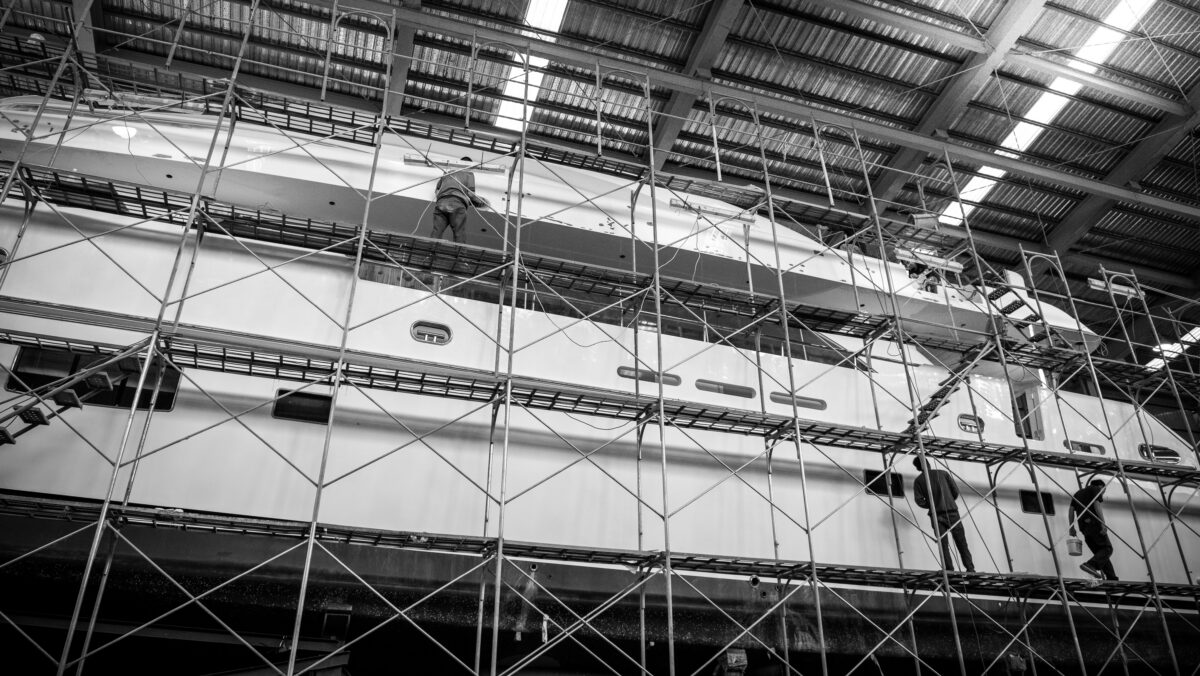
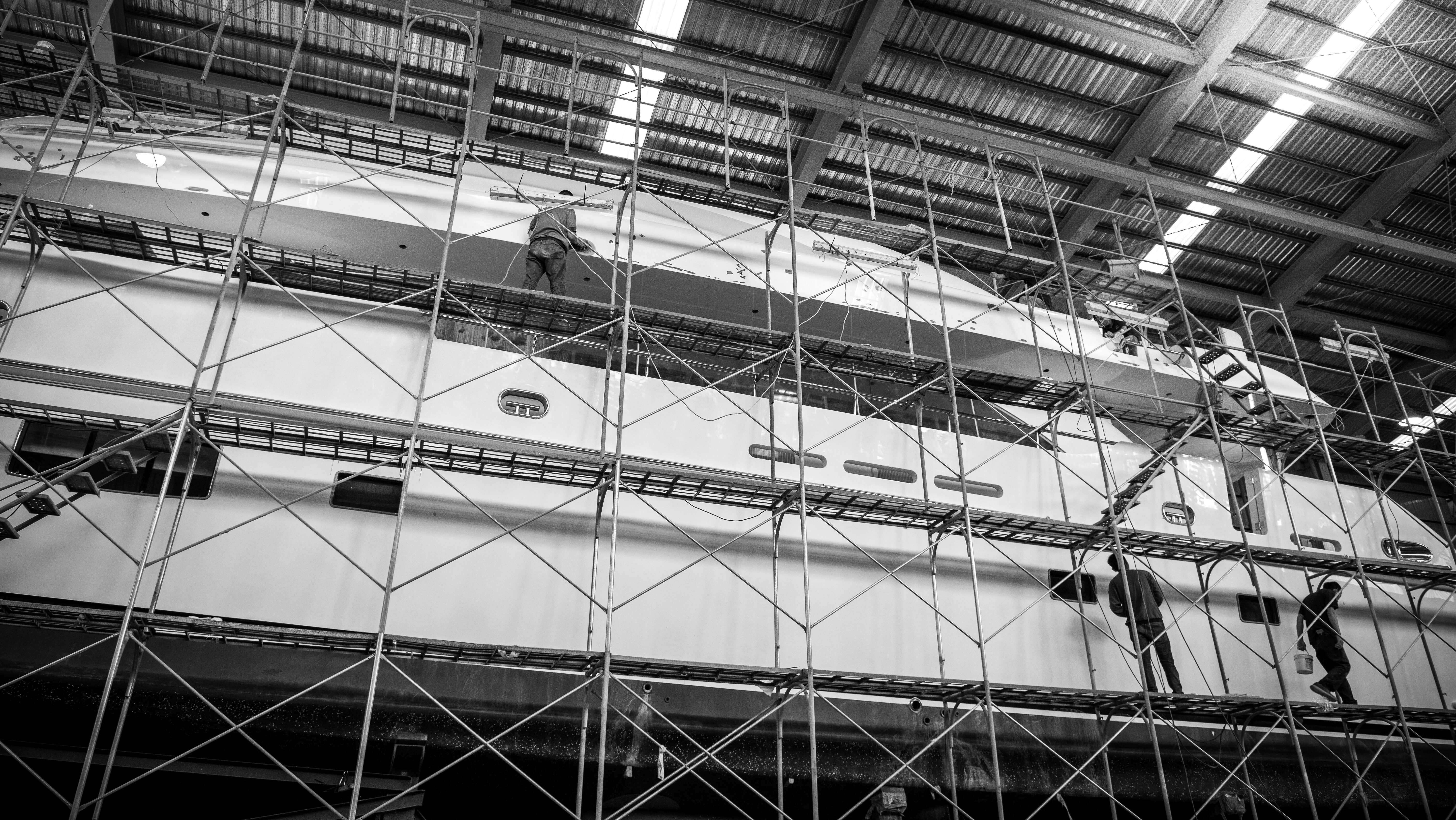
A new study, conducted by Deloitte and Vrije Universiteit Amsterdam, reports that the superyacht sector generates approximately €54bn in total economic output worldwide annually – based on 2022 data – positioning the sector among the world’s most impactful maritime manufacturing ecosystems.
The study was commissioned by the Superyacht Builders Association (SYBAss) and Superyacht Life Foundation (SYL) as part of a campaign to highlight the economic and industrial contributions of yacht construction and refit activities within the wider maritime sector.
According to the study, titled Global Economic Impact of the Superyacht Industry, new vessel construction accounts for 37 per cent of the global superyacht industry’s economic impact, representing about €20bn.

The report says the industry generated €22bn in direct expenditure, which subsequently created an additional €32bn in indirect economic activity through global supply chains, tourism, operations, hospitality and maritime services.
Economic activity from a newly delivered yacht contributes to downstream activity for decades through maintenance, refit work, marina services, crew employment, fuel supply and tourism-related spending.
Across the global fleet, a single superyacht contributes on average €9m annually to the economy throughout its lifecycle, according to the study.
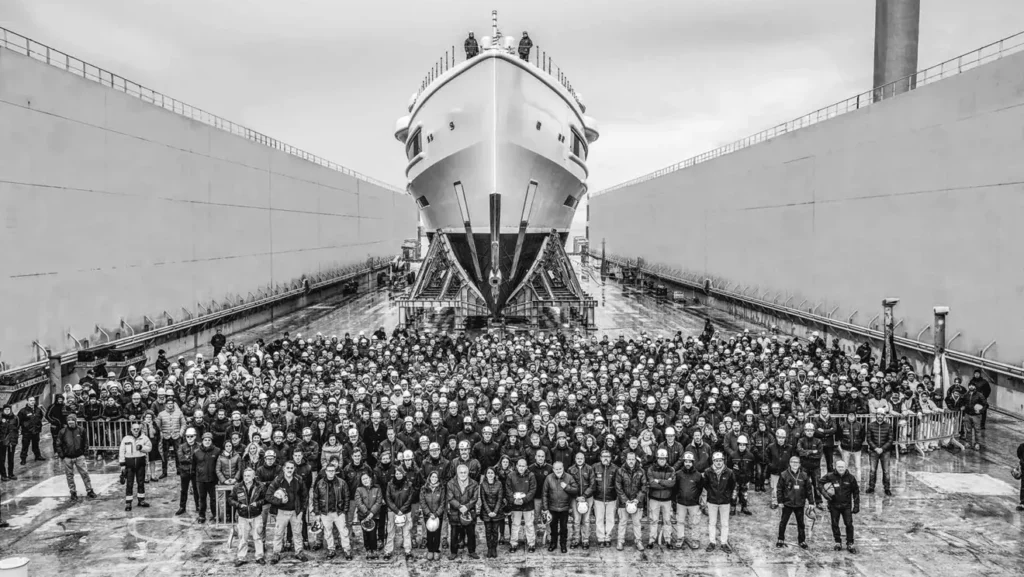
The study identifies the new-build segment as the single most economically catalytic activity in the superyacht sector, generating a multiplier effect of 2.8 – among the highest in advanced manufacturing and maritime industries. In practical terms, every €1 invested in building a yacht creates an additional €1.8 in economic value across the wider global economy.
The association says the refit and maintenance sector contributes a further €5.6bn, representing around 11 per cent of total industry impact.
The figures are presented as one of the sector’s longer-term growth areas as the global fleet continues to age and modernise.
The campaign also examines the relationship between yacht builders and the wider supply chain. According to the study, builders carry a large share of industrial investment, delivery risk and long-term accountability, while much of the recurring economic activity generated by yachts takes place after delivery.
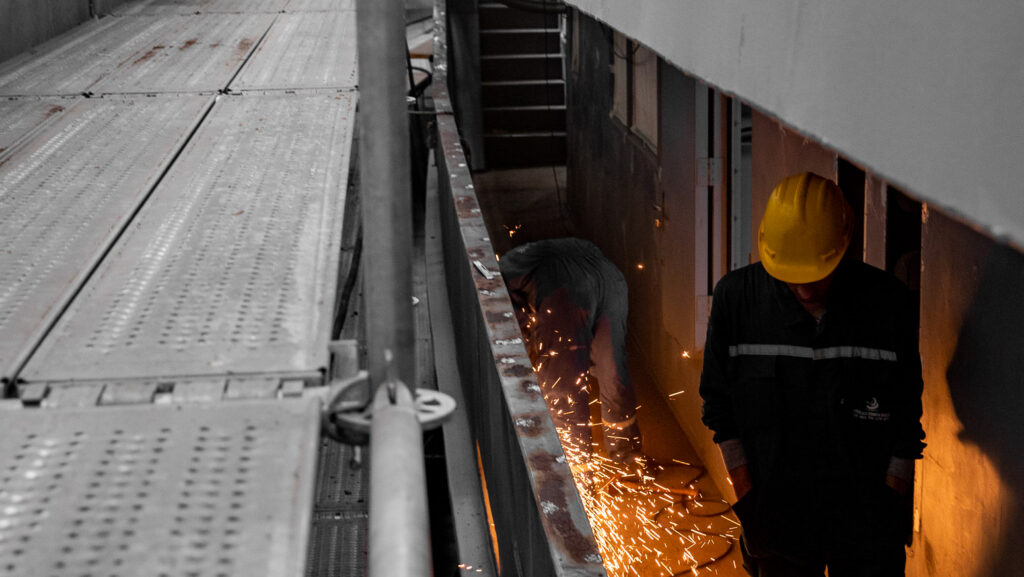
Industrial activity and superyacht workforce
SYBAss states that the upstream sector, including new build and refit activity, generates an estimated direct economic impact of €9.5bn.
Within this segment, the new build market accounts for 76 per cent of total turnover, equivalent to €7.2bn, while refit contributes the remaining 24 per cent, or €2.3bn.
The report describes yacht construction as a manufacturing sector supported by engineering, project management and specialist craftsmanship.
Modern yacht construction involves coordinated work between welders, electricians, engineers, carpenters, painters, naval architects, metal workers, project managers and specialist suppliers.
SYBAss states that much of the workforce develops through apprenticeship programmes and on-the-job training linked to yacht construction and refit activity.
The campaign also highlights the long-term economic contribution of the global superyacht fleet, which it estimates at approximately 5,600 vessels.
The campaign has not, so far, issued data on the economic impact of the high environmental cost of the global superyacht industry.
Founded in 2007, SYBAss represents superyacht builders and focuses on collaboration, industry standards and environmental innovation within yacht construction.
The organisation states that further industry analysis and data will be published over the coming months as part of the campaign.

The post Global superyacht industry worth €54bn, new study reveals appeared first on Marine Industry News.