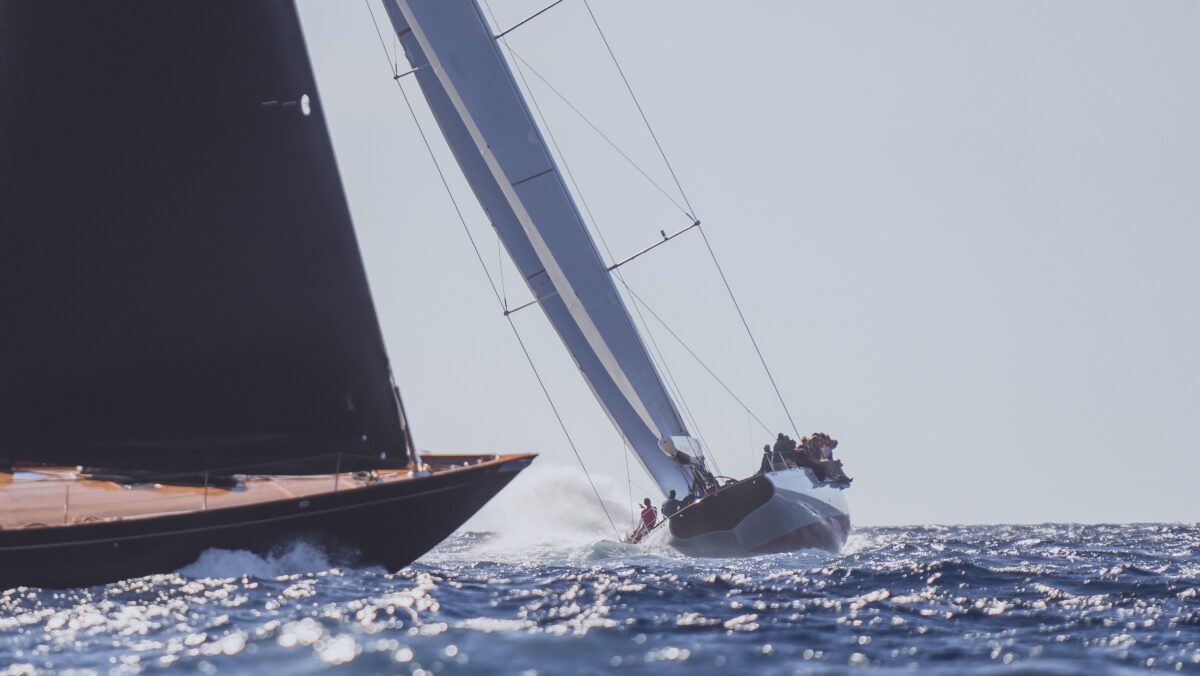
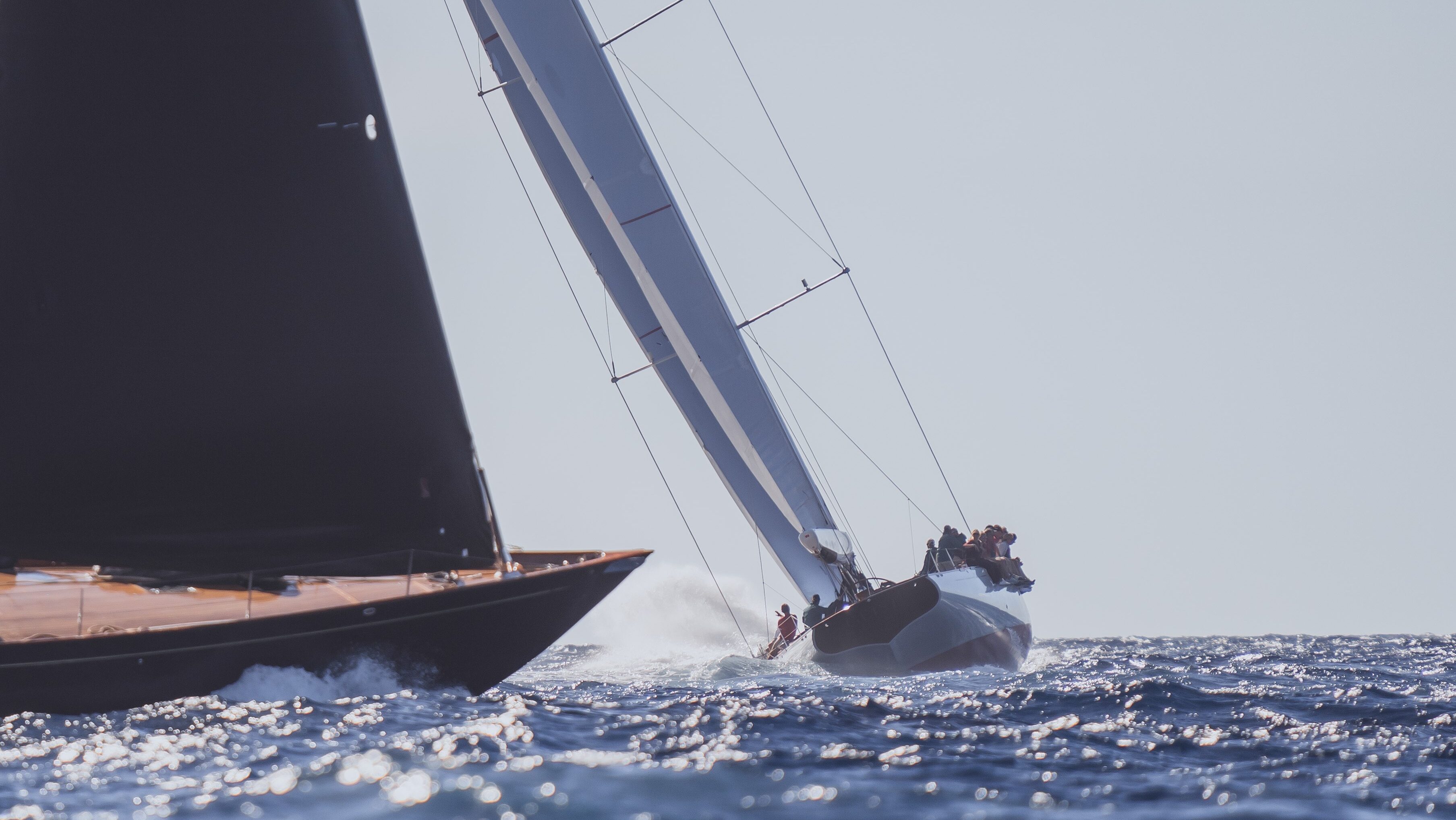
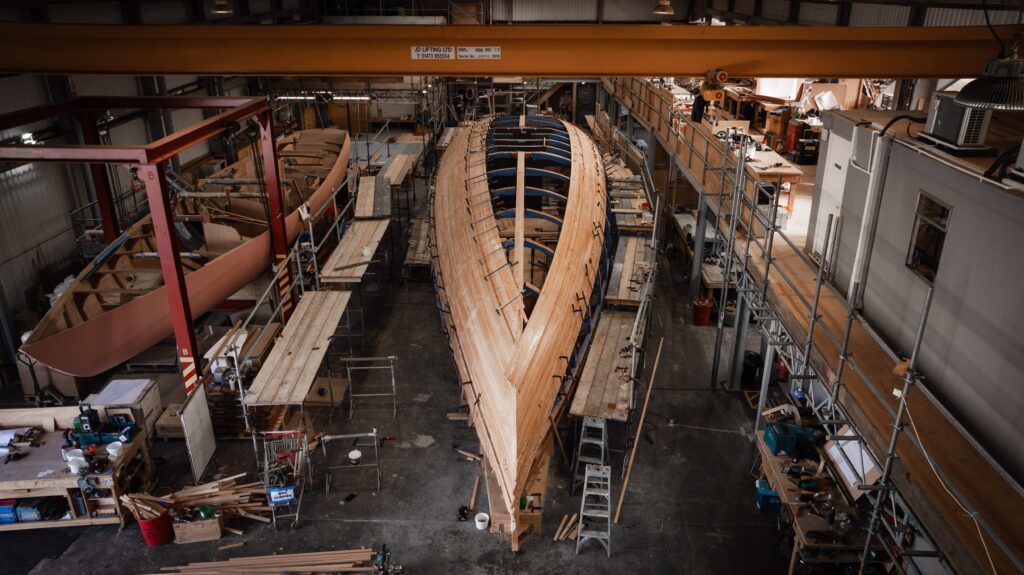
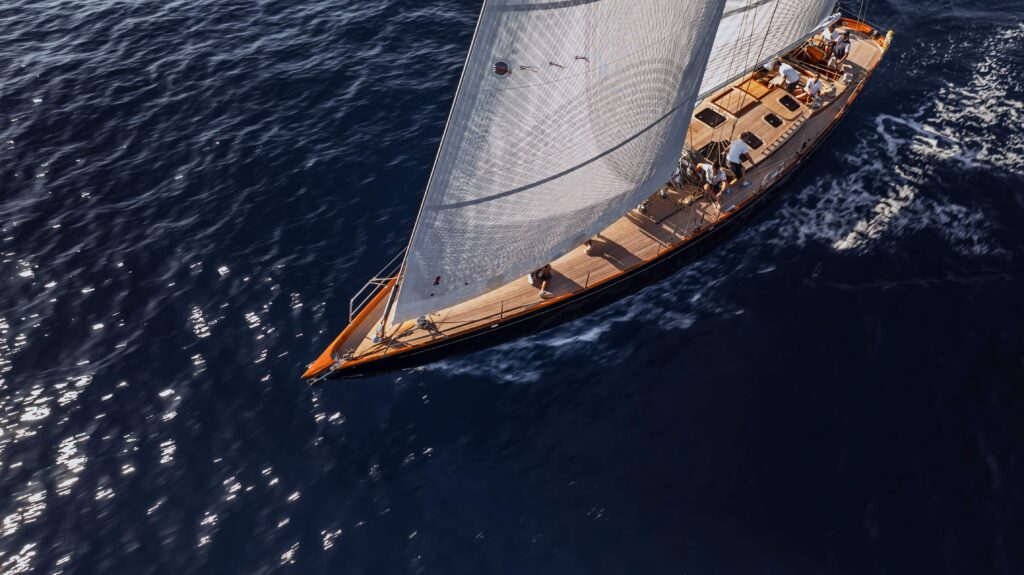
For Spirit Yachts, racing projects are increasingly acting as development platforms for the company’s future yacht designs, driving investment in hull development, carbon engineering and performance-focused design work.
“When we talk about where money is being spent, a lot of the investment has gone into technology and design,” says MD Karen Underwood.
That investment reflects a deliberate effort to strengthen Spirit’s design and engineering capabilities at a time when owners are demanding increasingly sophisticated yachts, whether they intend to race them or not.
According to Underwood (pictured right at SIBS in 2023) and marketing director Helen Porter (pictured left), recent performance-focused projects have pushed the company into areas of design that would have been difficult to justify through conventional production work alone.

Performance lessons are shaping the next Spirits
One current race boat programme has become a particular focus for the team.
“When we talk about technology and design, she has got some amazing features,” says Porter of RH53. “The hull is a different shape for us.”
The project has required Spirit to revisit some of its traditional assumptions around hull forms and performance engineering. Aside from hull shape, changes have included refinements to keel and rudder configurations, alongside a greater use of carbon fibre structures.
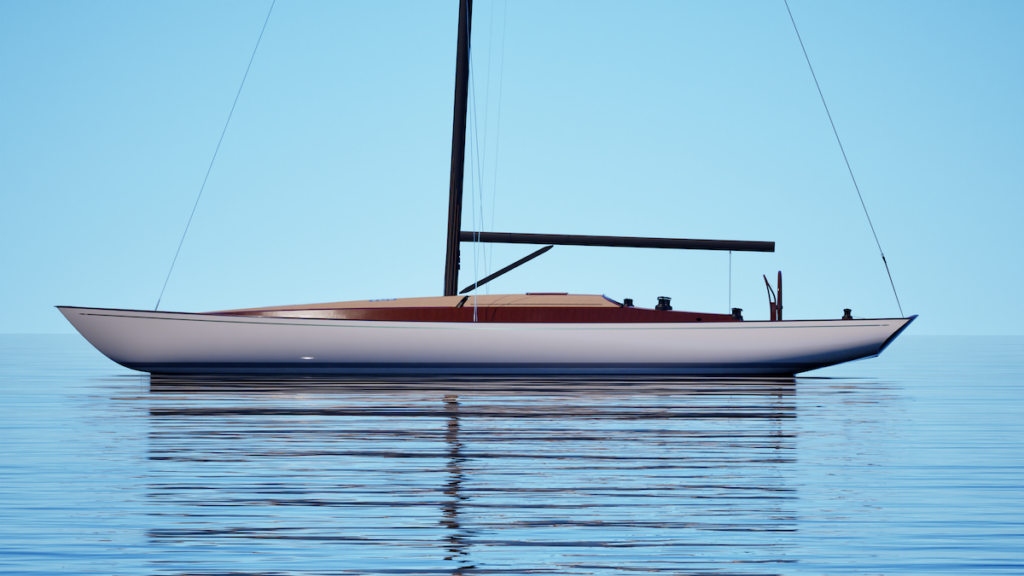
While Spirit’s reputation has traditionally been built on classic styling and craftsmanship, the company sees no contradiction between heritage and innovation. Instead, performance projects are providing opportunities to expand the technical knowledge that sits behind future yacht programmes.
The design lessons are not being confined to a single racing yacht.
“They’re also being translated into the Spirit 78,” says Underwood. That’s a future project, but the transfer of knowledge demonstrates how investment in specialist performance work can create wider commercial benefits across a yacht builder’s portfolio.

Owners planning for future racing campaigns
The approach also aligns with Spirit’s growing emphasis on understanding how owners may use their yachts over the long term.
Underwood says the company increasingly considers potential future racing ambitions during the earliest stages of a build.
“We know they’re going to end up racing it, so why don’t we future-proof and look at different options now while we’re starting the build?” she says.
That mindset allows performance-related features and design options to be considered before construction progresses too far, avoiding costly modifications later in a yacht’s life. More information about the company’s racing yachts can be found on its website.
Shift from ownership to experience-led yachting
The strategy also reflects a broader shift towards longer-term planning within the business. Rather than designing solely for an owner’s immediate requirements, Spirit increasingly examines how a yacht may evolve over time.
For some owners, that might mean preparing for future cruising grounds. For others, it could mean ensuring that a yacht retains the capability to participate in regattas or competitive sailing programmes. The company’s been running its own competitive events for several years.
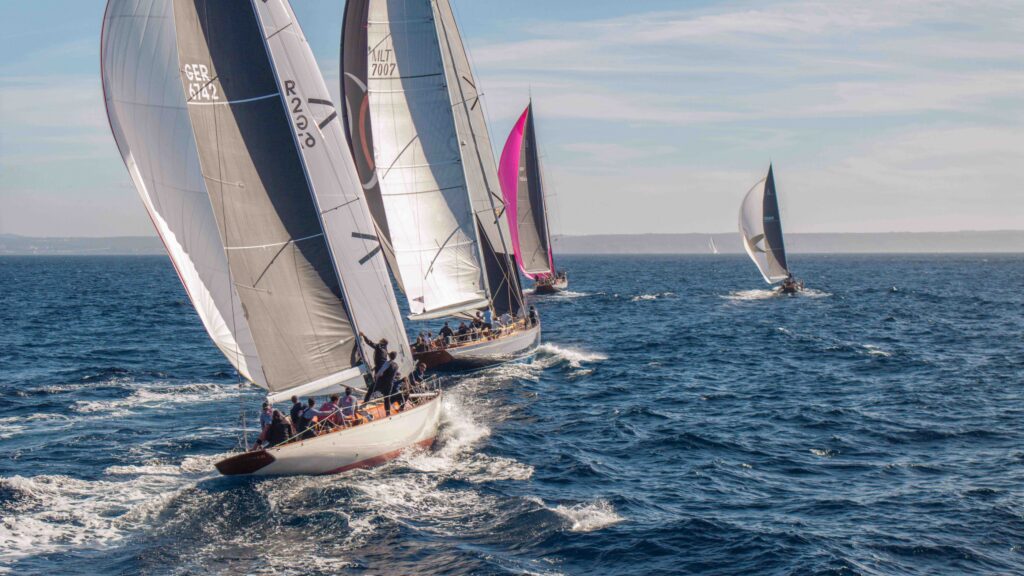
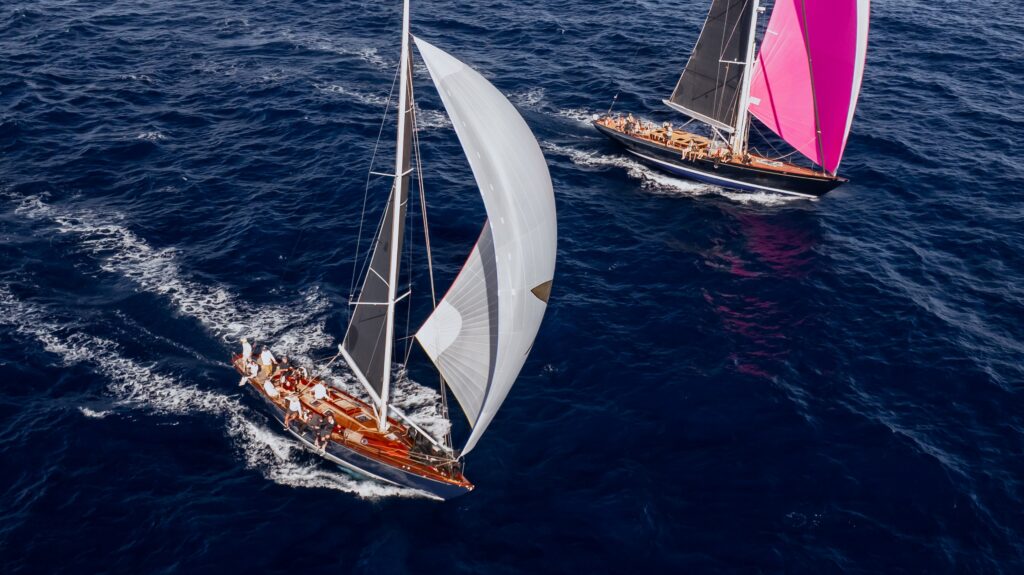
The first Spirit regatta was in Guernsey in 2022. That was followed two years later by another in the same location. In 2025, the regatta moved to the Med, in Palma, Mallorca. These events attract 10-12 Spirits at a time and momentum is growing amongst the owners’ community for more opportunities to race solely against Spirits. Many also attend regattas such as British Classic Week, the Puig Regatta in Barcelona, and Voiles de St Tropez.
The company’s investment in design capability is also taking place alongside wider developments across the business, including advances in manufacturing processes, digital modelling and production planning. However, Underwood stresses that design and engineering remain among the most important areas of expenditure.
The result is a design culture that is becoming increasingly informed by performance data and real-world experience.
Guest comfort moves to the centre of yacht design
But that doesn’t mean the guest experience is forgotten. That’s changing design in other ways.
Underwood says owners are no longer asking only about performance, range or specifications, they’re now also focusing on how comfortable will guests be onboard? How intuitive are the systems? What will it feel like to spend extended periods living aboard?
Changing expectations are influencing interior layouts, lighting systems, onboard technology and material selection.
“It’s now about health, wellness and experiences,” says Underwood, rather than “what they own in terms of material goods. It’s more of an experience-led lifestyle.” As a result, design discussions are covering a wider range of subjects than they once did.
One design example can be found aboard the new P50, where Spirit is introducing privacy glass within a circular shower arrangement. The system allows the glass to be electronically switched between transparent and opaque settings, creating greater flexibility within the onboard living environment.
While such features may be common in some sectors of luxury hospitality, they represent a new direction for Spirit and reflect the growing influence of guest-focused thinking.
Lighting now seen as key tool for shaping interiors
Similarly, lighting has become important.
Owners increasingly view lighting as a tool for shaping atmosphere. As a result, Spirit has been working with specialist suppliers to develop more sophisticated lighting solutions capable of supporting different moods and onboard experiences.
The company’s working with BCM Lighting.
“We’ve spent a long time with them,” says Underwood.
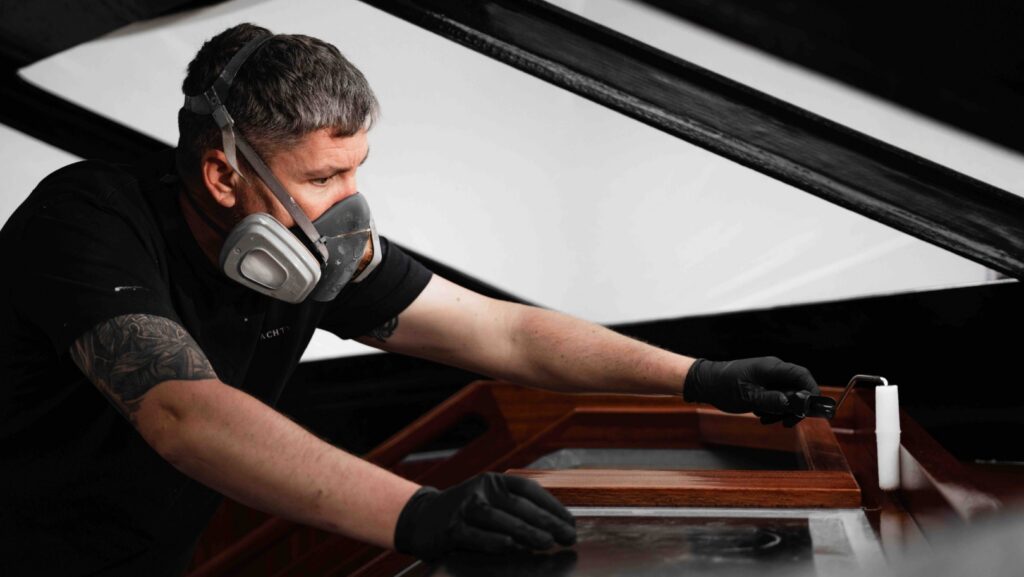
The process involves reviewing lighting alongside timber finishes, fabrics and other interior elements. Rather than being treated as a standalone technical system, it’s an integral part of the interior design process.
Mood settings, ambience and the interaction between materials are increasingly becoming part of the customer conversation.
“You get the lighting then you introduce the client to fabrics and wood panelling,” says Underwood. “It’s all of those elements working together.”
“There is more emphasis around light sensitivity and sound sensitivity than there ever used to be,” adds Porter.
Ultimately, Spirit’s changes reflect a broader evolution within the luxury yacht sector. Owners still value craftsmanship, performance and engineering excellence, but increasingly they also expect the comfort, convenience and emotional connection associated with whatever way they choose to use their yachts.
The post Racing programmes drive design investment at Spirit Yachts appeared first on Marine Industry News.