Should marine industry associations move away from tribal protectionism and work more closely together to deliver value for members already under pressure from rising costs and multiple subscription demands?
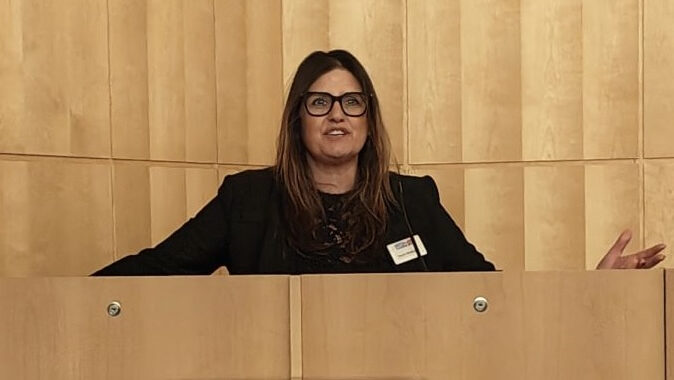
According to Sarah Wallbank, chief executive of August Race Group and chair of British Marine South West, greater collaboration across marine industry associations will be increasingly important to deliver results with ongoing challenges.
Speaking about her experience in non-executive industry roles, Wallbank says associations and their outcomes are most effective when there is greater cross-pollination of projects and shared purpose between organisations, backed by strong support for the volunteer leaders helping to drive them forward.
“We all know the best networking and collaboration is done when there is a large and diverse crowd,” she says. “I would like to see more of this and a shift away from a focus on independence of purpose.”
Value of volunteer leadership
Wallbank describes volunteer committee members and board directors as “the lifeblood of industry associations”, and recognises that non-executive positions sit alongside demanding full-time jobs.
“Every person on a committee or board has a day-job which pays their mortgage every month, and I am always very mindful of that” she says, noting there needs to be realistic expectations for people giving their time to industry boards and committees.
She also takes a clear position on recruitment for leadership positions within associations.
“My rule of thumb is that the person you should be pursuing for a board role is the accomplished person who is hesitant to do it,” says Wallbank. “The candidate that signs up unreservedly for multiple committees and is chasing you for roles means they have ample bandwidth and may be more interested in raising their profile or promoting their business rather than committing to the work therein.”
Wallbank says it’s important for organisations to be transparent about expectations attached to non-executive roles, including time commitments, expenses, attendance requirements and whether volunteers are expected to support membership growth initiatives.
“These are valid and important discussions to have,” she says.
Balancing industry roles with commercial work
Wallbank says support from employers is essential for anyone taking on a voluntary industry leadership position. She estimates she has routinely spent one to two days per week on her role as chair of British Marine South West, with her colleagues at August Race Group absorbing some of that workload.
At the same time, she describes the relationship between executive and non-executive responsibilities as mutually beneficial, citing industry connections, sector visibility and opportunities to lead projects. She’s an advocate for involvement.
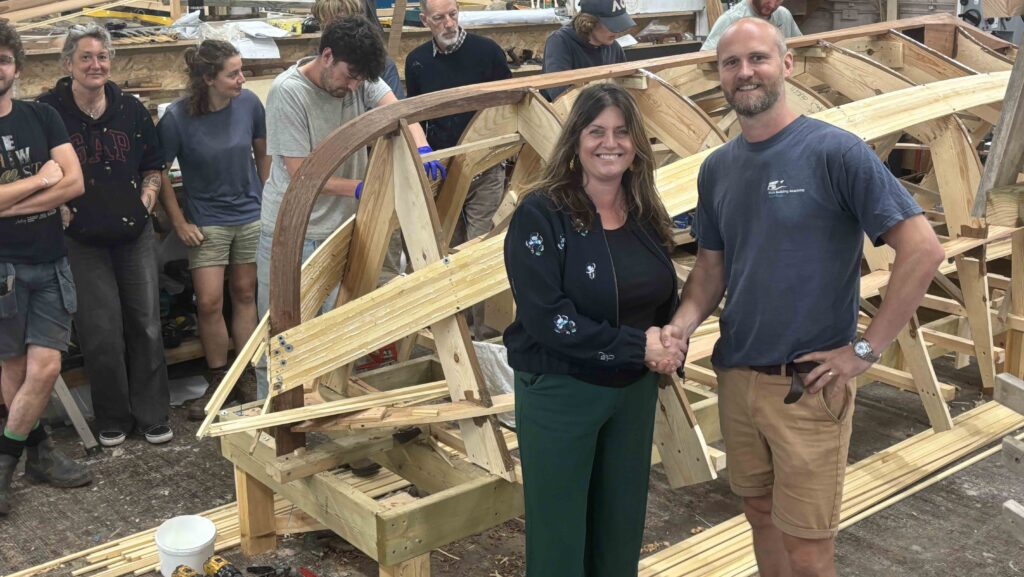
Among the initiatives highlighted from her tenure are support for the Boat Building Academy in Lyme Regis during its funding campaign, backing STEM access initiatives for girls attending South Devon Marine Academy events and arranging visits between member companies and Member of Parliament Caroline Voaden to discuss issues including water quality and education funding.
Collaboration across associations
Wallbank also points to the early 2026 Marine Meet event at the National Maritime Museum Cornwall as an example of the sector becoming more collaborative.
The event brought together organisations including The Nautical Institute, Cornwall Marine Network, the Royal Yachting Association, Innovate UK and Natural England.
“The future of associations is in harmonisation,” she says. “Memberships are hard won, especially in difficult economic climates.”
Wallbank is now preparing to co-chair the diversity committee session at the International Council of Marine Industry Associations and the International Federation of Boat Show Organisations annual Congress in Washington DC alongside Patricia Becker of Metstrade.
The post Marine associations urged to collaborate rather than compete appeared first on Marine Industry News.