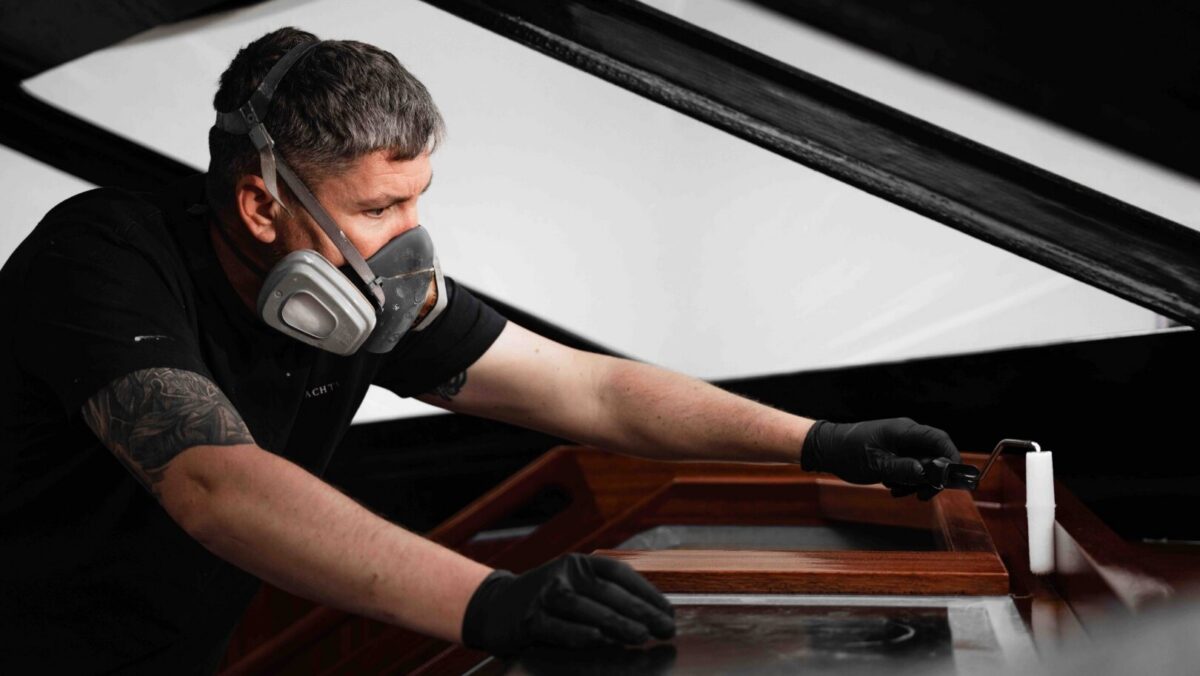
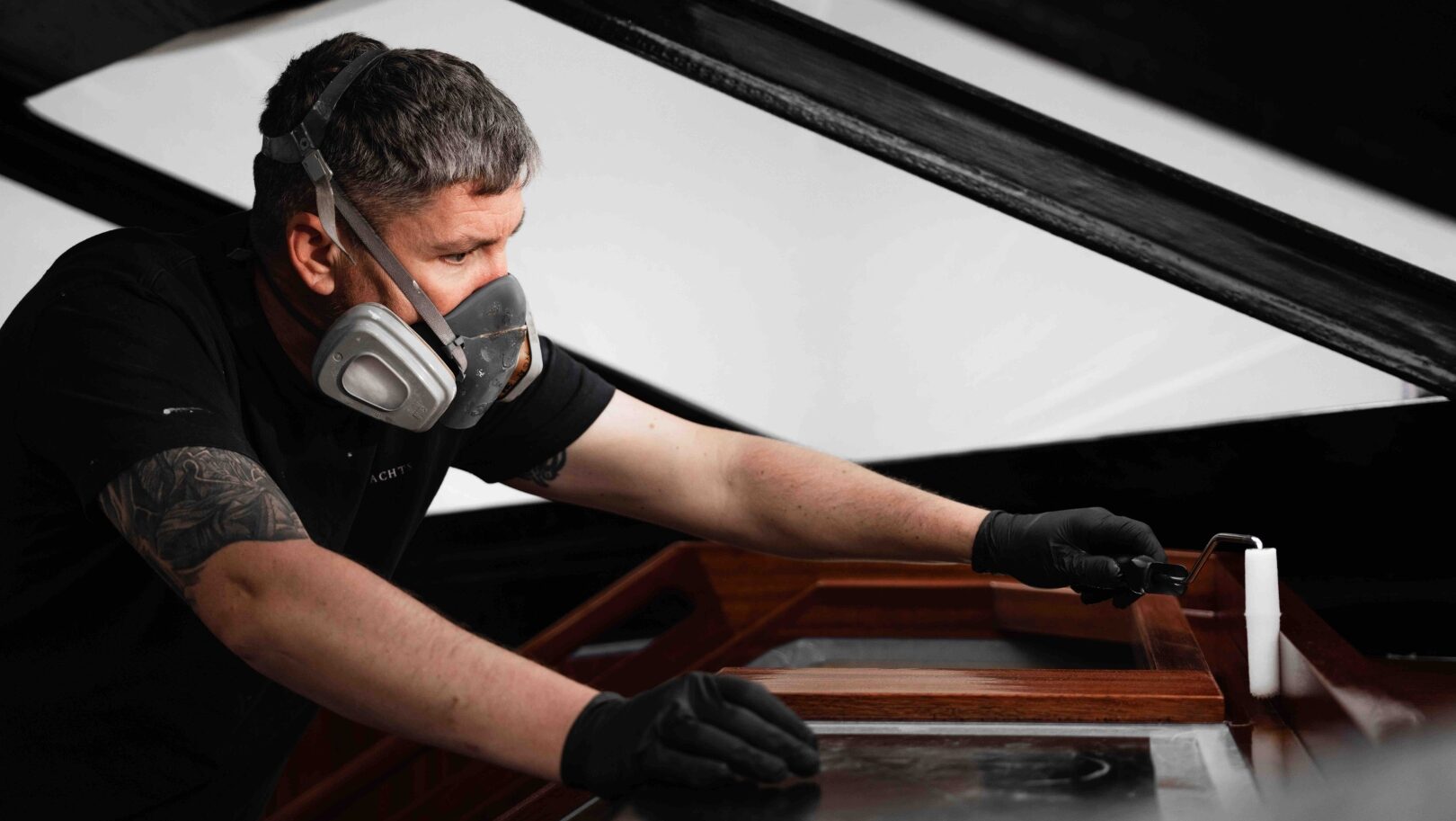
Finding skilled craftspeople has become a major challenge facing manufacturers across the marine sector. For Spirit Yachts, addressing it requires more than simply filling vacancies.
The company has developed an approach that combines targeted recruitment, training partnerships, staff support and a deliberate focus on workplace culture. The goal is not only to attract talent but to build a workforce capable of sustaining specialist boatbuilding skills for the long term.
Taking a different approach to recruitment
Recruitment has become a strategic priority for Spirit Yachts as the wider marine industry continues to face skills shortages.
Rather than relying heavily on agencies, it’s developed its own recruitment process, including dedicated open days that allow prospective employees to experience the business first-hand.
“It’s a really effective way of people being able to come here and see what we’re all about,” says Helen Porter, marketing director.
Recruitment events allow candidates to meet existing staff, tour the facilities and gain a realistic understanding of the work involved before applying.
And the approach appears to be generating results. Two recruitment events held in 2025 resulted in seven new hires, while more recent events have already led to work-experience placements.
Karen Underwood, MD, prefers this direct approach.
“I don’t really like using agencies,” she says. “I don’t feel they have the best organic approach to recruiting.”
Spirit is also careful about ensuring candidates have realistic expectations of the role. Those with little or no practical experience are often encouraged to pursue training before entering the yard environment.
“We don’t take anyone who has no experience at all,” says Porter. “Here they’re in at the deep end too soon.”
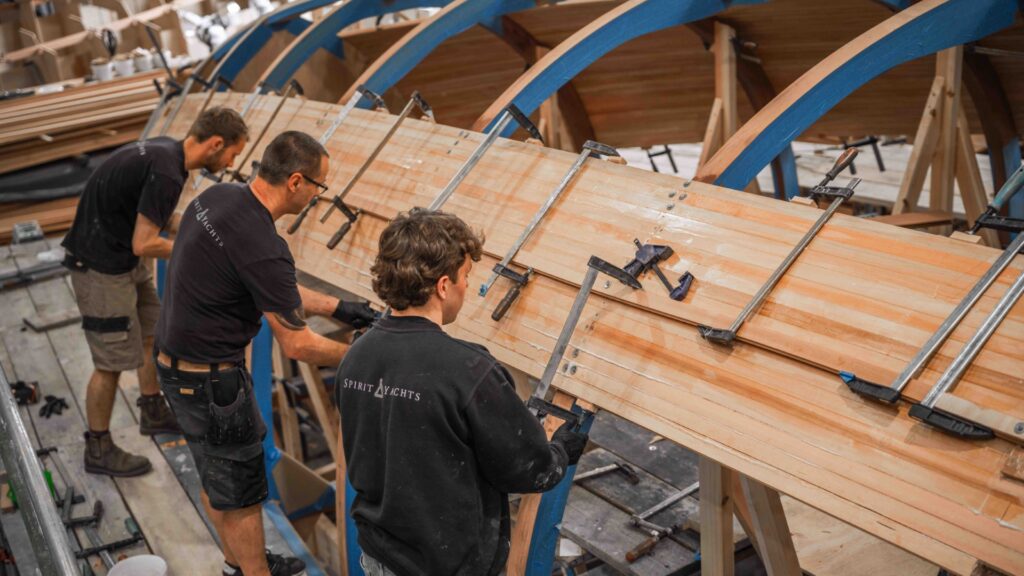
Creating a talent pipeline
Alongside direct recruitment, Spirit works closely with training providers to help develop future talent.
One key relationship is with the Boat Building Academy, where prospective candidates can gain practical boatbuilding skills before entering the workforce.
This allows Spirit to direct enthusiastic applicants towards formal training while creating a pipeline of people who already understand the realities of the profession.

Spirit also engages with schools and young people to raise awareness of careers in boatbuilding, inviting in members of the local community to see what’s on offer.
Rather than focusing solely on traditional academic pathways, Spirit sees value in introducing practical career options to students who may be better suited to hands-on work and encourage them to consider specialist manufacturing careers.
Supporting people beyond the workplace
Recruitment, however, is only part of the challenge. Spirit places significant emphasis on helping employees settle into both the company and the local area.
The business often assists new recruits with practical issues such as housing, schools and employment opportunities for partners.
“If we find good people it’s worth putting in that time,” says Porter.
The approach reflects the reality that many specialist skills are difficult to source locally and may require people to relocate. For Spirit, helping employees establish themselves successfully outside work is viewed as an important part of long-term retention. The company believes supporting individuals through major life changes can be just as important as providing opportunities within the workplace itself.
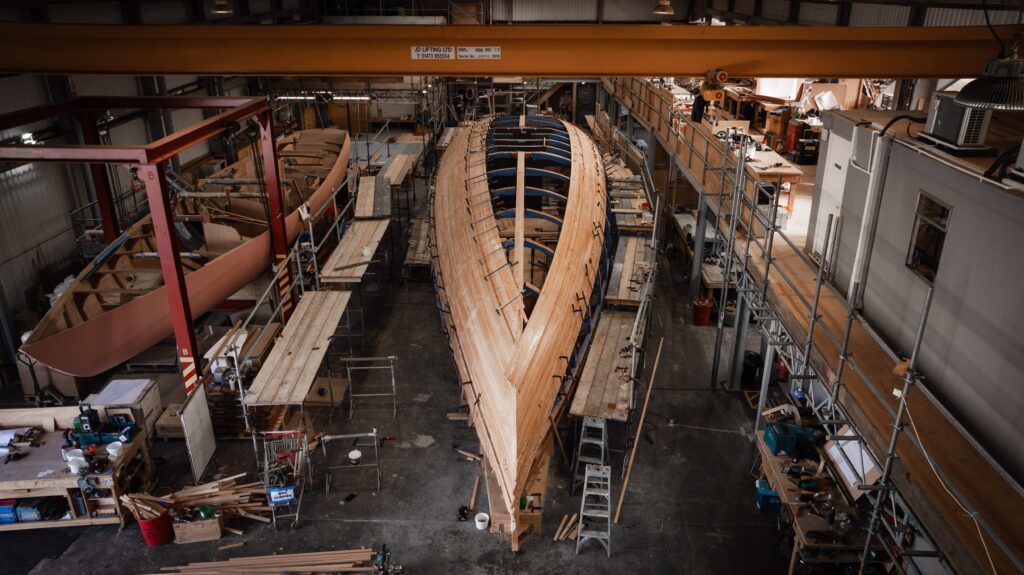
Preserving a family culture
Spirit Yachts has undergone a significant ownership transition in recent years, moving from founder ownership to a shareholder-led structure. However, the whole team has worked hard to preserve the culture that helped establish the company.
“It would have been easy for us to lose that family feel,” says Porter.
The company is now owned by six shareholders following the buyout of founder Sean McMillan. While new systems, processes and compliance requirements have been introduced, leadership has consciously avoided creating an overly corporate environment.
Underwood believes maintaining a creative and informal atmosphere remains essential for attracting skilled craftspeople. “The minute you try to go too corporate you lose anybody who loves the craftsmanship, and working here, because of that.”
The philosophy influences everything from management style to workplace events and employee engagement. “They don’t come here to work in a straitjacket,” says Underwood. “They come here to be free in their approach to work.”
Investing in belonging
The company’s culture is reinforced through a range of social activities designed to bring together staff from across the business.
Events such as golf days and clay pigeon shoots allow directors, office staff and production teams to interact outside their normal working environments. Family involvement also remains visible within the business. Porter highlights the role played by Karen Underwood’s mother, Helly, in helping shape the atmosphere within the yard.
“She is quite instrumental in the culture,” says Porter.
These initiatives help foster a sense of belonging that is increasingly important in a competitive labour market, especially when retaining highly skilled craftsman is viewed as every bit as important as recruiting new ones.
As skills shortages continue to challenge manufacturers across the marine sector, Spirit’s experience suggests that attracting talent may require companies to think beyond traditional recruitment methods. Building a workforce, it argues, starts with building a community.
The post How does a specialist yacht builder find, develop and keep skilled people in an increasingly competitive labour market? appeared first on Marine Industry News.