New research commissioned by the RNLI suggests that many people in Gen Z (born between 1997 and 2012) underestimate the risks of open water, as the charity launches its Float to Live campaign ahead of the summer.
In 2024, there were 193 accidental drowning fatalities in the UK, and 84 per cent were male. Males aged 20 to 29 recorded the highest number of accidental drowning fatalities.
According to the RNLI survey, 44 per cent of Gen Z respondents said they did not think they were as likely to get into trouble in the water as their friends. The survey also found 37 per cent said they would stand close to the edge of open water if it was worth it for a good photo, compared with 27 per cent of all other respondents.
The research also suggests some respondents see safety advice as limiting. It found 26 per cent of Gen Z said following safety rules would spoil their enjoyment of open water, while 28 per cent said they would not want to appear overly cautious in front of friends. Almost half (44 per cent) said their friends would not be afraid to take risks near water, compared with 37 per cent of other respondents.
Although the survey indicates Gen Z are more likely to take risks at the coast, 36 per cent said they would not know to float if they got into trouble in the water. At the same time, 96 per cent said being safe around water was important to them. The RNLI says more 20 to 29-year-olds drowned in 2024 than any other age group.
Alarming RNLI research published in 2025 showed four in ten people lack a ‘basic understanding’ of how tides work, with approximately 15 per cent of respondents reporting having been cut off, or nearly cut off, by the tide at some point in their lives
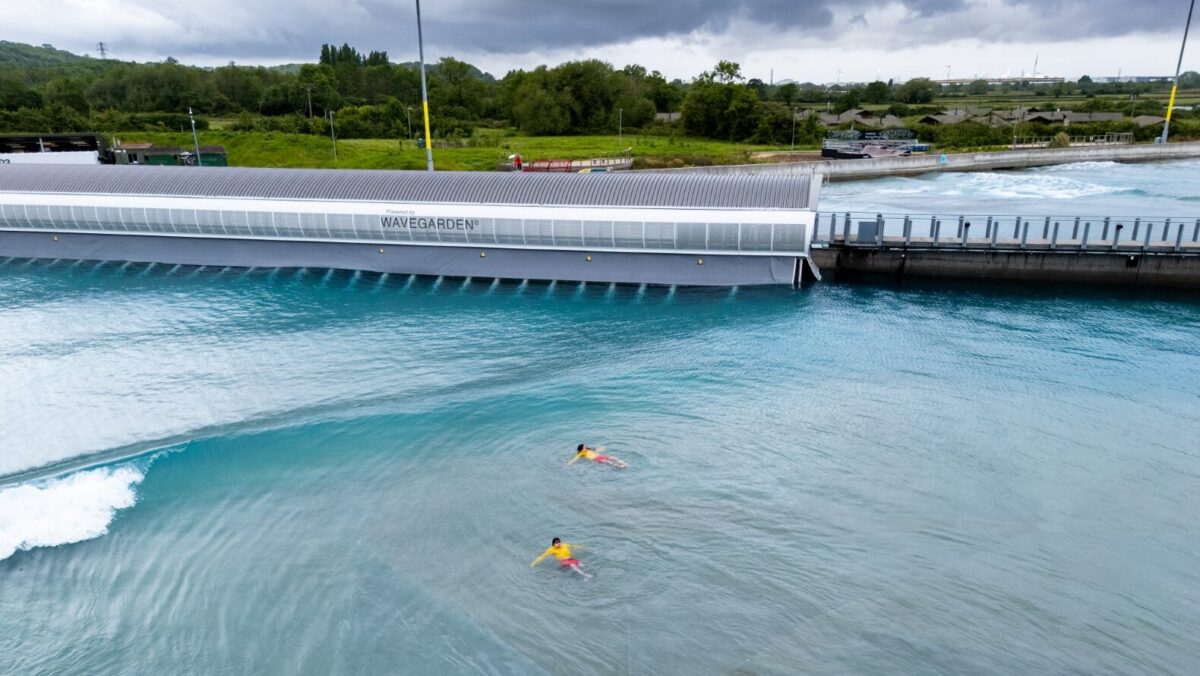
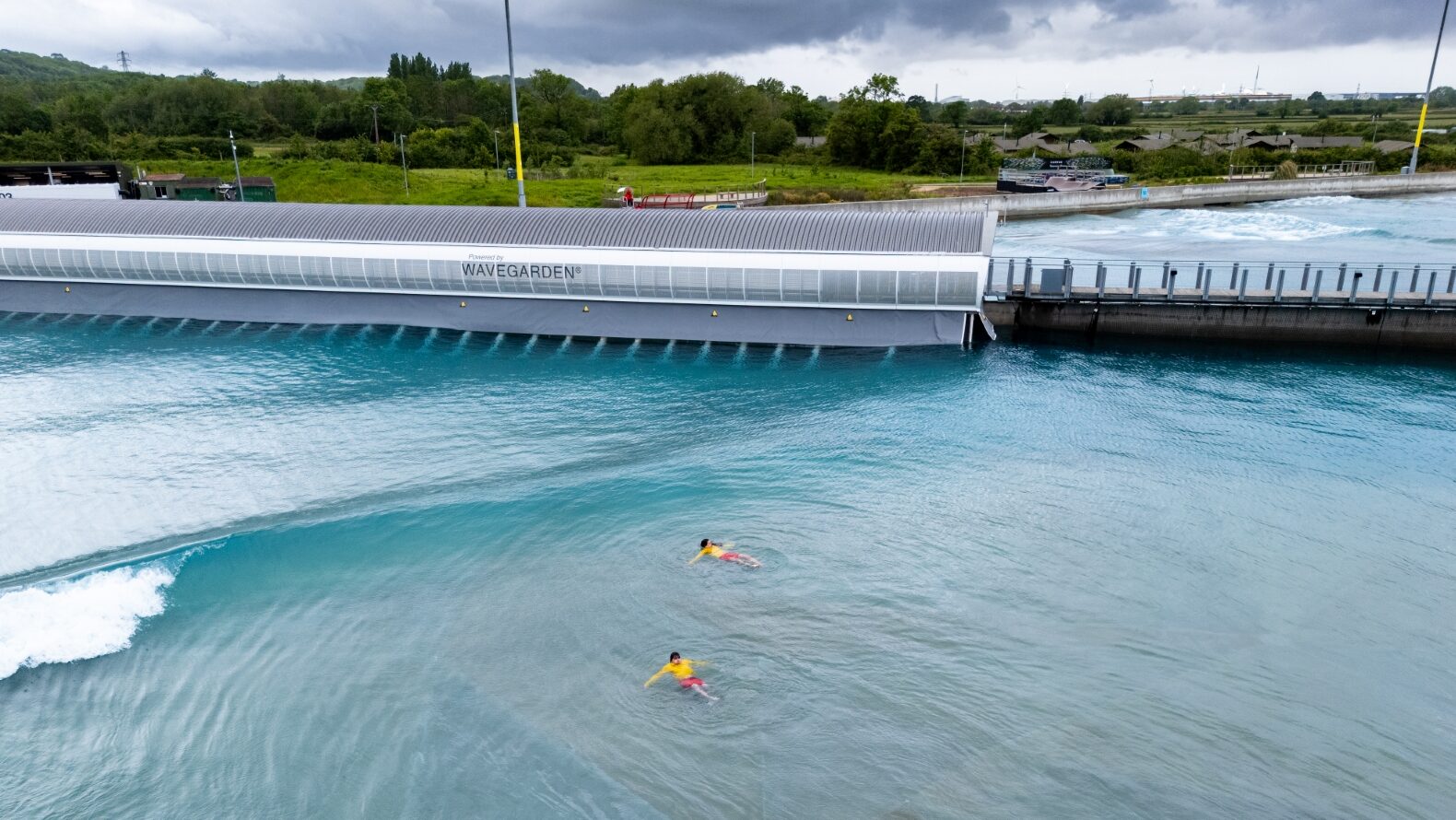
Yesterday (19 May 2026), the RNLI launched its Float to Live campaign at The Wave in Bristol, an inland surf location designed to simulate ocean waves. With the summer holidays approaching, the charity says it expects close to 49 million people to visit the coast at least once over the season.
Emmie Seward Adams, water safety delivery support from the RNLI, says: “These figures clearly tell us that while young people are open to taking risks at open water and the coast, they wouldn’t know what to do if they get into trouble in the water.
“We know that there will be a huge amount of people visiting open water and the coast over the coming months and we want everyone to remember our Float to Live advice. Instinctively, most people who find themselves struggling in the water will begin to panic, swim, or thrash about.
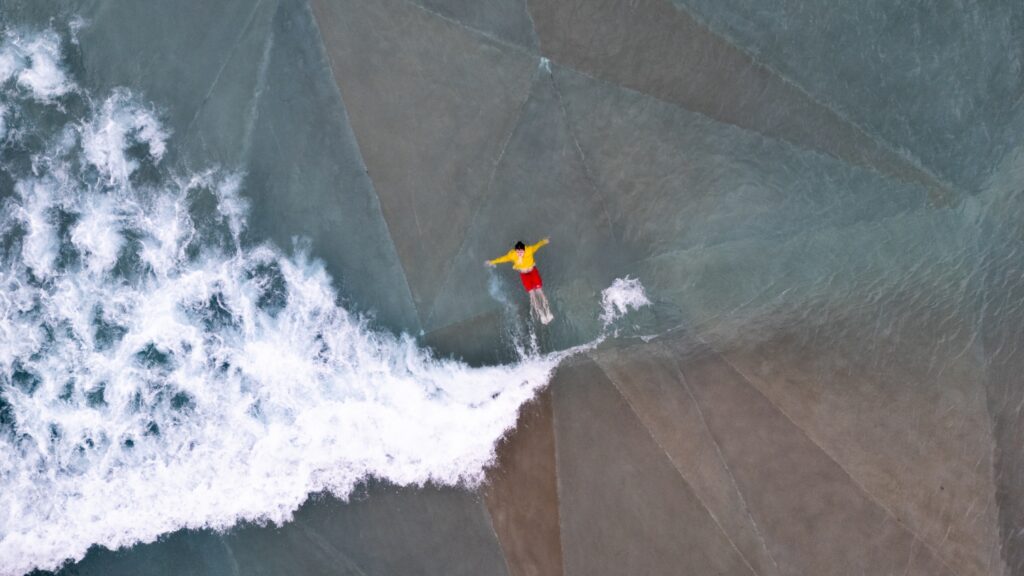
“We’re urging people to ignore this instinct and remember to float: Tilt your head back, with your ears submerged. Relax and try to breathe normally. Move your hands and legs to help you stay afloat if you need to. It’s fine if your legs sink – we all float differently. By doing this, you give yourself the chance to rest and recover your breathing. Once you’ve regained control of your breathing, you can call for help or swim to safety.”
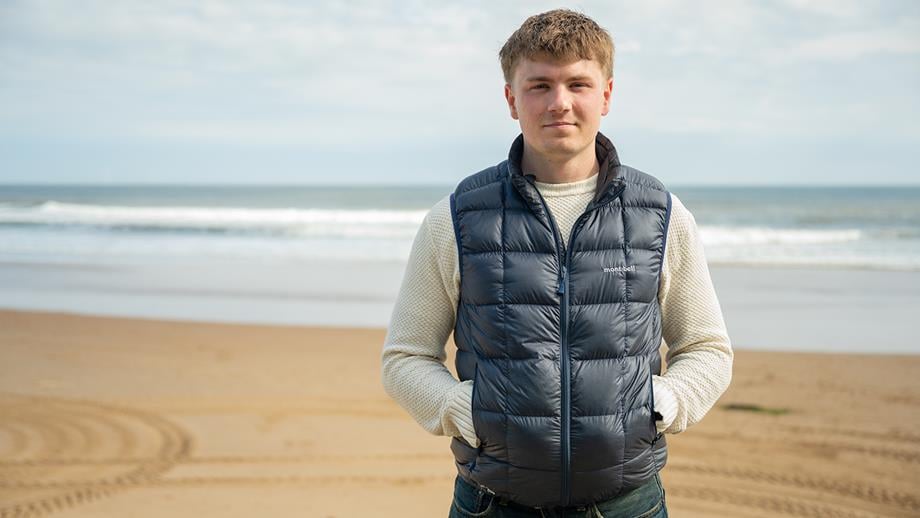
Euan Gray, aged 22, and his brother Andrew Gray, aged 20, are fronting the campaign after the advice saved their lives. The brothers were surfing at Longsands beach in Tynemouth, North Tyneside, in May 2025 when Euan saw Andrew being pulled towards a rip current. Euan entered the water to try to help him, but both were pulled away from shore.
Euan says: “It was easy to swim out to my brother, but really hard to swim back against the rip. I had a word with my brother and said we need to swim hard or we’ll be in trouble. As we tried to swim, we just weren’t getting anywhere; it was like swimming on a treadmill.”
The brothers were separated by the current. Euan recalls only being able to see Andrew when waves lifted them, before losing sight of him entirely.
Euan says: “Ultimately, I feared I might drown. I feared that people hadn’t seen us in the water struggling and they hadn’t called the RNLI. As I got dragged away from Andrew, I feared the worst for him too.”
Euan says he remembered the Float to Live technique and floated on his back while waiting for help. He later saw the Cullercoats Lifeboat approaching.
“The moment I saw it come over the horizon was incredible. I was very aware that I probably wouldn’t survive if help wasn’t on the way. At that moment, I knew I could float long enough for it to get over to me. As soon as you see that orange boat, you know you’re safe.”
Andrew had managed to get back to shore and was waiting for Euan at the station.
RNLI Float to Live guidance
The charity advises anyone struggling in the water to follow its Float to Live guidance:
- Tilt your head back, with your ears submerged
- Relax and try to breathe normally
- Move your hands and feet to help you stay afloat
- It’s fine if your legs sink, we all float differently
- Practise floating in a local pool if you can
The RNLI also advises people who see someone else struggling in water to call 999, encourage the person to float on their back and throw rescue equipment if available.
The RNLI provides a 24-hour search and rescue service around the coasts of the UK and Republic of Ireland. It operates more than 238 lifeboat stations and more than 240 lifeguard units in a normal year.
The post New data shows Gen Z ‘more likely to take risks’ at the coast appeared first on Marine Industry News.